
 By NewsMatrix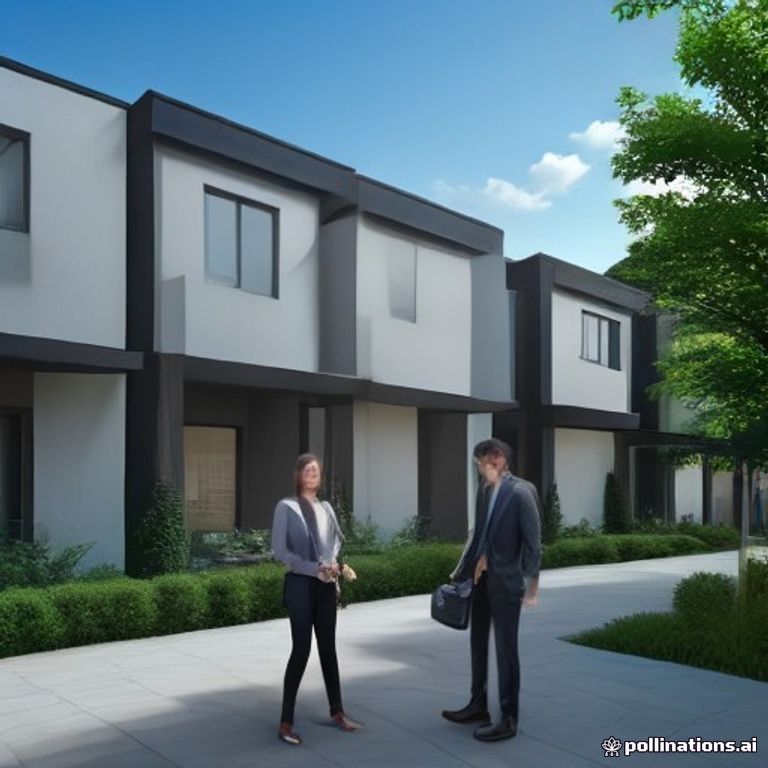
Smart Homebuying Strategy: New Jersey Buyer Secures Pennsylvania Townhouse with $30,000 in Incentives
In a real estate market often characterized by high prices and unpredictable expenses, a well-executed homebuying strategy is paramount. A recent case highlights the astute decision-making of a New Jersey homebuyer who, after extensive research and careful financial evaluation, opted for a new construction townhouse in Pennsylvania, securing substantial builder incentives in the process. This move not only avoided the hidden costs associated with older properties but also leveraged market conditions to achieve significant long-term financial benefits, including a crucial mortgage-rate buydown.
The Pitfalls of Older Homes: A Costly Realization
The journey for many prospective homeowners often begins with exploring existing properties, drawn by established neighborhoods, unique architectural styles, and sometimes, a seemingly lower initial purchase price. Our featured homebuyer, whose identity remains anonymous to protect privacy, initially pursued this traditional path in New Jersey. His search led him to view ten older houses, each with its own charm and character, but also with a growing list of potential financial liabilities.
Each viewing brought to light a common predicament with pre-owned homes: the specter of costly repairs and ongoing maintenance. While the aesthetics of an older home can be appealing, the underlying infrastructure often tells a different story. The homebuyer meticulously assessed each property, factoring in not just the asking price but also the anticipated expenses for critical systems and general upkeep. This comprehensive approach quickly revealed that many older homes, despite their initial appeal, would ultimately demand significant additional investment, pushing their true cost well beyond comfortable limits.
- HVAC Systems: Many properties featured outdated heating, ventilation, and air conditioning units nearing the end of their lifespan, promising immediate replacement costs in the tens of thousands.
- Roofing: Several homes had roofs that were either aging, showing signs of wear, or already required extensive repairs, a major capital expenditure that could not be deferred.
- Plumbing and Electrical: Older homes often come with antiquated plumbing systems prone to leaks or inefficient water pressure, and electrical panels that may not meet current codes or support modern energy demands, necessitating expensive upgrades for safety and functionality.
- Foundation Issues: In some instances, minor cracks or signs of settling indicated potential foundation problems, a red flag for any homebuyer due to the exorbitant costs associated with structural repairs.
- General Wear and Tear: Beyond the critical systems, the cumulative cost of cosmetic updates, window replacements, insulation improvements, and landscaping overhauls further diminished the financial attractiveness of these older properties.
The cumulative burden of these potential repairs and routine maintenance quickly added up, transforming seemingly affordable older homes into long-term financial drains. The homebuyer’s rigorous due diligence led him to reject all ten older houses, recognizing that the emotional appeal did not outweigh the financial prudence required for a sound investment.
The Lure of New Construction: A Strategic Shift
Frustrated but undeterred by the challenges of the pre-owned market, the homebuyer shifted his focus to new construction. This strategic pivot led him to explore a new townhouse development in Pennsylvania. New construction inherently offers several advantages that resonated deeply with his desire for predictability and modern living standards:
- Reduced Maintenance: New homes come with new systems and components, significantly reducing the immediate need for costly repairs and offering years of worry-free living.
- Modern Amenities: Contemporary designs often include open floor plans, energy-efficient appliances, smart home technology readiness, and updated finishes that cater to current lifestyle preferences.
- Energy Efficiency: Built to modern codes, new homes typically feature superior insulation, high-efficiency windows, and advanced HVAC systems, leading to lower utility bills and a reduced environmental footprint.
- Warranties: Builders often provide warranties on construction and major systems, offering peace of mind and financial protection against unforeseen issues in the initial years of ownership.
The specific property that caught his eye was a new townhouse listed at $575,000. While a significant investment, the potential for a fresh start without the immediate repair burdens was a compelling factor.
Negotiating Success: Securing $30,000 in Builder Incentives
Understanding the dynamics of the new construction market, particularly the builder’s incentive to move inventory, the homebuyer entered negotiations with a clear objective: to maximize value beyond the sticker price. This crucial step in his homebuying strategy proved highly successful.
Through skillful negotiation, he managed to reduce the purchase price from $575,000 to $545,000, representing a $30,000 reduction. This immediate saving on the principal alone was a substantial win. However, the benefits did not stop there. In addition to the price reduction, he also secured an additional $30,000 in builder incentives. These incentives are a powerful tool builders use to attract buyers, especially in competitive markets or when looking to close out a phase of development.
One of the most impactful components of these incentives was a mortgage-rate buydown. In an environment where interest rates can significantly impact affordability and long-term costs, a buydown is an invaluable offering. The builder agreed to reduce his mortgage rate from an initial 6.25% to a more favorable 5.25%. A mortgage-rate buydown involves the builder (or sometimes the seller) paying an upfront fee to the lender to “buy down” the interest rate for a certain period, or in some cases, for the entire life of the loan. This effectively lowers the buyer’s monthly mortgage payments and the total interest paid over the loan’s duration.
The difference between a 6.25% and 5.25% interest rate on a loan of this magnitude translates into substantial savings over the life of the mortgage. For instance, on a $545,000 loan, a one percent reduction in interest rate could save thousands of dollars annually, freeing up disposable income and making homeownership more sustainable. This strategic incentive provided a double benefit: an immediate reduction in purchase price and a long-term decrease in borrowing costs, perfectly aligning with a prudent homebuying strategy.
Market Dynamics and Buyer Preferences
This case reflects broader trends in the current real estate market. With fluctuating interest rates and persistently high material and labor costs impacting renovation budgets, new construction often presents a more predictable financial path for buyers. The appeal of a move-in ready home, backed by warranties and built to the latest energy efficiency standards, is growing.
Builders, in turn, are increasingly employing creative incentive packages to stimulate sales and differentiate their offerings. These can range from closing cost assistance and design center credits to, most significantly, mortgage rate buydowns. For buyers, understanding and leveraging these incentives can be as critical as the initial negotiation of the purchase price.
The homebuyer’s experience underscores the evolving priorities of modern homeowners. Beyond the aesthetic appeal, there is a strong emphasis on financial predictability, long-term cost savings, and the convenience of a home that requires minimal immediate intervention. This shift is particularly evident as buyers become more educated about the true cost of ownership, looking beyond the list price to encompass maintenance, utility costs, and financing terms.
Conclusion: A Blueprint for Savvy Homebuying
The successful acquisition of the Pennsylvania townhouse by the New Jersey homebuyer serves as an instructive case study for anyone navigating today’s complex real estate market. His journey highlights the critical importance of a comprehensive homebuying strategy that extends beyond surface-level appeal and considers the full financial picture.
By diligently evaluating the long-term costs associated with older properties and strategically pursuing new construction with aggressive negotiation, the homebuyer not only avoided potential financial pitfalls but also secured a highly advantageous deal. The $30,000 price reduction combined with the $30,000 in builder incentives, particularly the mortgage-rate buydown, demonstrates the power of informed decision-making and negotiation.
For prospective homebuyers, this narrative offers a clear blueprint: conduct thorough due diligence, understand the true costs of ownership for both new and old properties, and be prepared to negotiate for every possible advantage. In a dynamic market, a smart homebuying strategy, exemplified by this New Jersey buyer, can unlock significant savings and lead to a more secure and satisfying homeownership experience.