
 By NewsMatrix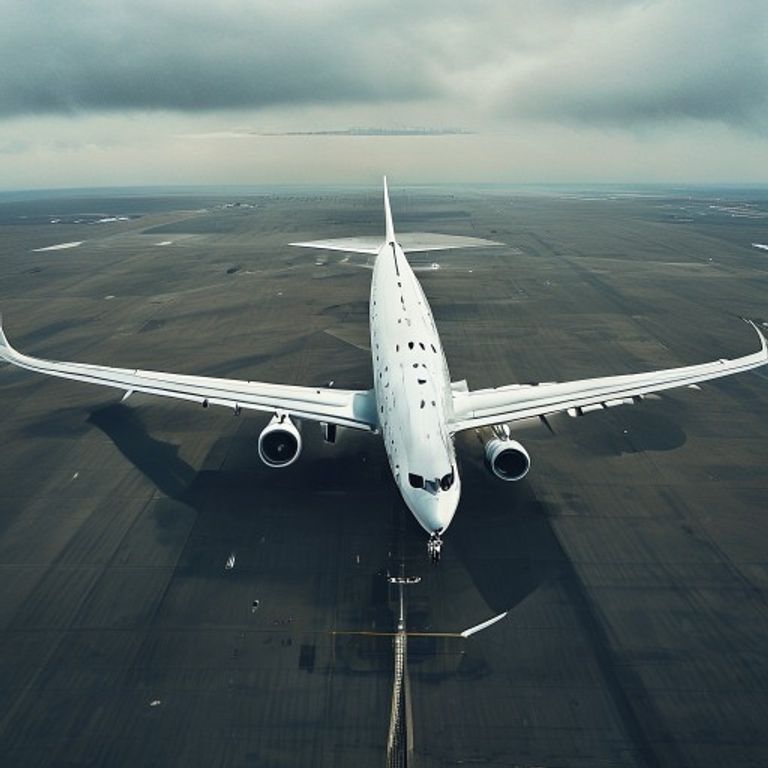
Introduction: When Aviation Goes Viral
In the digital age, a single piece of footage can capture the attention of millions in a matter of hours. Recently, a video featuring a Boeing 777 performing a low-level maneuver has set the aviation world ablaze. At NewsMatrix, we have closely monitored the intense discourse surrounding this clip. While to the casual observer, it might look like a display of skillful piloting, the reaction from aviation experts and seasoned pilots tells a markedly different story. The footage has sparked a serious debate regarding safety protocols, aircraft performance limitations, and the fundamental physics of operating one of the world’s largest twin-engine commercial jets at altitudes that are, frankly, far outside the norm.
The Boeing 777: A Titan of the Skies
To understand the depth of the concern, one must first appreciate the aircraft itself. The Boeing 777 is not a light, agile aerobatic plane; it is a long-haul workhorse. Designed for efficiency, reliability, and comfort over thousands of miles, its engineering prioritizes stability at cruise altitudes. Its sheer size, combined with the immense thrust generated by its massive engines, makes it an incredible feat of modern engineering, but it also imposes strict limitations on low-level handling.
When operating a widebody aircraft of this magnitude, pilots are trained to adhere to strict safety margins. These margins are not just suggestions; they are the result of decades of data regarding aerodynamics, wake turbulence, and the critical nature of flight control at lower airspeeds. Maneuvering such a substantial mass near the ground creates a host of variables—most of them potentially dangerous—that the aircraft was never intended to encounter during routine operations.
Why the Footage Has Experts Concerned
The core of the issue, as highlighted by numerous professionals in the aviation community, is the altitude. The footage shows the 777 operating at a height that appears far too low for an aircraft of its class. The debate on forums, expert panels, and within aviation circles has centered on several key technical concerns:
- Aerodynamic Stall Risks: At lower altitudes, the margin for error is razor-thin. If an aircraft’s airspeed drops even slightly during a steep bank or maneuver, the risk of a stall becomes critical. Near the ground, there is no room for recovery.
- Wake Turbulence: A Boeing 777 creates massive wake turbulence. When flying low, this turbulence can affect not just the airport infrastructure below, but can also pose a risk to the aircraft itself if it encounters its own disturbed air.
- Engine Performance: Low-altitude maneuvers often require rapid changes in engine power. The spool-up time for engines as large as those on a 777 is not instantaneous. Any delay in power delivery during a critical phase of flight can lead to disaster.
- Ground Effect: Operating in ground effect—the area close to the runway where the air cushion changes the aircraft’s lift and drag characteristics—can be unpredictable for an aircraft not designed for tactical, low-level flying.
The Debate: Skill vs. Risk
At NewsMatrix, we believe in providing a balanced look at complex stories. On one side of the debate, some individuals argue that experienced pilots know the limits of their machines and that such maneuvers—if performed in a controlled environment—showcase the aircraft’s versatility. However, the overwhelming consensus among flight instructors, test pilots, and aviation safety regulators is one of deep caution.
The prevailing view is that commercial aviation safety is built on predictability and consistency. When a pilot takes a commercial widebody and pushes it into a flight profile that contradicts standard operating procedures, it undermines the very philosophy of “safety first” that defines the industry. The question being asked is not whether the pilot *could* do it, but whether they *should*.
What the Aviation Industry Says
The aviation industry is notoriously risk-averse, and for good reason. Procedures exist to minimize the possibility of human error and mechanical failure. When experts at NewsMatrix looked into the regulatory standpoint, it became clear that such maneuvers are heavily scrutinized by civil aviation authorities. Investigations into such incidents are common, as they require a thorough review of the Flight Data Recorder (FDR) and the Cockpit Voice Recorder (CVR) to determine if the safety of the aircraft, its passengers (if any), and ground personnel was compromised.
The Role of Automation
Modern aircraft like the 777 are heavily reliant on fly-by-wire systems. While these systems provide excellent stability, they also have protective flight envelopes that are designed to keep the aircraft within safe operating parameters. Pilots overriding or testing these limits manually, especially at low altitudes, is something that aviation authorities have increasingly cracked down on.
The Human Factor
The human factor is often the weakest link in aviation safety. The allure of “showing off” or the pressure to perform in front of an audience can lead to decision-making that deviates from standard professional practice. The aviation community has long campaigned against the culture of excessive risk-taking, emphasizing that the best pilot is the one who brings the aircraft down safely, not the one who performs the most dramatic maneuver.
Looking Ahead: Ensuring Future Safety
As the debate continues to rage online, the focus must eventually return to the essential goal of aviation: safety. The footage of this Boeing 777 has served as a wake-up call for many, highlighting that even in an era of advanced technology, the fundamental principles of flight physics remain unchanged. Heavy aircraft belong in the air, not dancing precariously close to the ground.
NewsMatrix remains committed to tracking this story as more details emerge from official investigations. If this incident leads to stricter regulations or more comprehensive training regarding low-level handling for commercial pilots, it might just be the silver lining in an otherwise concerning event. The lessons learned from this viral moment will likely inform training protocols for years to come, ensuring that the next time a Boeing 777 takes to the skies, it stays firmly within its intended—and safe—operating parameters.
Conclusion
The viral footage of this Boeing 777 is more than just a trending video; it is a case study in the tension between perceived skill and necessary caution. For the experts who have spent their lives mastering the nuances of commercial flight, the message is clear: the size and weight of a 777 demand respect. At NewsMatrix, we urge our readers to consider the complexities of these machines before labeling such maneuvers as impressive. In aviation, the most impressive maneuver is always the one that follows the flight plan, adheres to safety guidelines, and keeps everyone on board and on the ground completely safe.