
 By NewsMatrix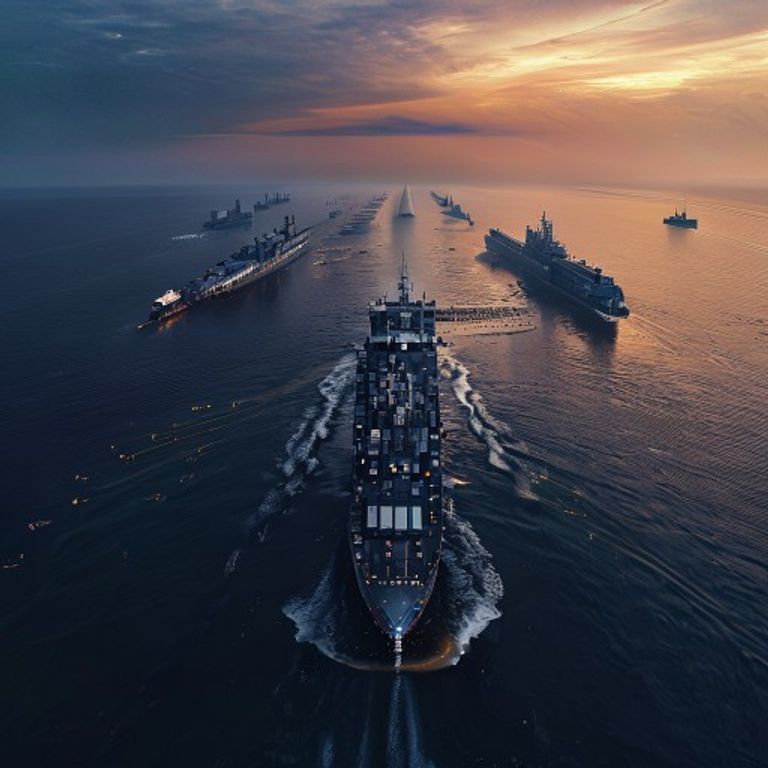
Shadowy Crossings: US-Sanctioned Supertankers Evade Tracking in the Strait of Hormuz
In a concerning development that highlights the persistent challenges to international sanctions and maritime security, six US-sanctioned supertankers, collectively carrying an estimated 12 million barrels of crude oil, have reportedly transited the highly sensitive Strait of Hormuz into the Gulf of Oman over the past week. Crucially, these vessels undertook their journey with their Automatic Identification System (AIS) transponders – essential for safe navigation and monitoring – switched off, performing a deliberate Strait of Hormuz evasion. This clandestine movement of such a substantial volume of crude oil by vessels under international scrutiny raises significant alarms regarding global energy security, environmental risks, and the effectiveness of economic sanctions.
The Strait of Hormuz, a narrow waterway connecting the Persian Gulf with the Gulf of Oman and the Arabian Sea, is arguably the world’s most critical oil chokepoint. The decision by these US-sanctioned supertankers to “go dark” through this vital passage represents a bold defiance of international norms and an evident attempt to circumvent surveillance and enforcement efforts. This incident underscores the growing sophistication of clandestine shipping operations employed by entities seeking to evade sanctions, posing a complex challenge for naval forces, intelligence agencies, and international maritime organizations.
The Anatomy of a Clandestine Passage
Ship-tracking data, typically comprehensive in its coverage of major shipping lanes, revealed the absence of these six colossal crude carriers from the standard monitoring systems during their transit. Each supertanker boasts a carrying capacity of approximately 2 million barrels, making the combined 12 million barrels a substantial shipment on the global oil market. By switching off their AIS transponders, these vessels effectively vanished from public tracking, becoming phantom ships traversing one of the busiest and most geopolitically charged maritime corridors on the planet.
The AIS system, mandated by the International Maritime Organization (IMO) for vessels over a certain size, broadcasts a ship’s position, course, speed, and other identifying information. It is a critical tool for collision avoidance, port management, and maritime domain awareness. Deliberately disabling AIS is a clear indicator of intent to conceal identity, origin, destination, or cargo, activities frequently associated with illicit trade, sanctions evasion, or other unlawful undertakings. While satellite imagery and other intelligence assets can often detect such movements, the reliance on passive tracking by commercial entities makes these “dark” voyages particularly challenging to monitor in real-time.
The Strategic Significance of the Strait of Hormuz
The Strait of Hormuz is not merely a shipping lane; it is a geopolitical fault line. Approximately one-fifth of the world’s total petroleum consumption, and roughly one-third of all seaborne-traded oil, passes through this 21-mile wide waterway. Its strategic importance cannot be overstated, influencing global oil prices, regional power dynamics, and international relations. Any disruption or perceived threat in the Strait has immediate and far-reaching consequences for energy markets and security.
The history of the Strait is replete with tensions, including past attacks on tankers, seizures of vessels, and numerous close encounters between naval forces. Nations bordering the Strait, particularly Iran, have long asserted their influence over the passage, often leading to confrontations with international shipping and naval presences, including those of the United States and its allies. Against this backdrop, the unannounced and untracked transit of US-sanctioned vessels amplifies concerns about potential miscalculations, accidents, or deliberate provocations that could destabilize an already volatile region.
US Sanctions and the Rise of the “Dark Fleet”
The US sanctions regime against various countries, including Iran, Venezuela, and previously entities associated with Russia, aims to exert economic pressure to alter political behavior. These sanctions often target key industries, such as oil and shipping, making it illegal for US persons and entities to engage in transactions with sanctioned entities, and imposing secondary sanctions on non-US actors who facilitate such trade.
In response to these stringent measures, a sophisticated “dark fleet” or “shadow fleet” of tankers has emerged. These vessels, often older, poorly maintained, and operating under flags of convenience, specialize in transporting sanctioned oil and other commodities while deliberately avoiding detection. Their methods include:
- AIS Manipulation: Deliberately switching off transponders or transmitting false data.
- Ship-to-Ship (STS) Transfers: Moving cargo between vessels at sea, often in remote locations, to obscure the origin or destination of the oil.
- Frequent Reflagging: Changing national flags to avoid scrutiny or exploit loopholes.
- Shell Companies and Complex Ownership Structures: Using opaque corporate networks to conceal beneficial ownership.
This shadow fleet operates in a legal and regulatory grey area, posing significant challenges for tracking, enforcement, and accountability. The current incident involving six supertankers is a stark illustration of this fleet’s operational reach and its capacity to circumvent monitoring.
Risks and Repercussions
The activities of the dark fleet, especially in critical chokepoints like the Strait of Hormuz, carry a multitude of risks:
- Maritime Safety Hazards: Vessels operating without AIS pose a severe collision risk to other maritime traffic, particularly in busy and narrow waterways. The lack of identification makes it impossible for other ships to predict their movements, increasing the likelihood of accidents that could result in loss of life or catastrophic environmental damage.
- Environmental Catastrophe: Older, poorly maintained tankers are more susceptible to accidents, and a major oil spill in the Strait of Hormuz or Gulf of Oman would have devastating ecological consequences for a fragile marine ecosystem and the livelihoods of coastal communities. The lack of accountability for a “dark” vessel further complicates liability and cleanup efforts.
- Undermining Sanctions Effectiveness: The successful evasion of sanctions by these vessels provides a lifeline to sanctioned regimes, allowing them to continue generating revenue from oil exports. This undermines the geopolitical objectives of the sanctions and reduces the leverage of nations imposing them.
- Distortion of Oil Markets: The illicit flow of sanctioned oil into the global market can distort supply-demand dynamics and impact legitimate oil prices, creating an uneven playing field for compliant producers and traders.
- Geopolitical Instability: Unidentified or illicit movements in sensitive areas can easily be misinterpreted, leading to heightened tensions and the risk of escalation, particularly given the already volatile geopolitical landscape of the Middle East.
The Broader Context: Global Energy Security and Oversight
The incident forces a re-evaluation of the efficacy of current monitoring and enforcement mechanisms. While satellite intelligence provides some oversight, it is often not real-time and requires significant analytical resources. The sheer volume of global shipping makes comprehensive, instantaneous tracking of every vessel a monumental task.
International cooperation is paramount in addressing the challenges posed by the dark fleet. This includes intelligence sharing, coordinated naval patrols, and robust legal frameworks to prosecute those involved in sanctions evasion. Port states also bear a significant responsibility to inspect vessels, verify documentation, and refuse entry to those suspected of illicit activities. Insurers and financial institutions have a crucial role to play in due diligence, ensuring they do not inadvertently facilitate sanctioned trade.
The proliferation of the dark fleet also raises questions about the long-term sustainability of a sanctions-based foreign policy. If evasion becomes too easy or widespread, the deterrent effect of sanctions diminishes, potentially leading to more direct and confrontational approaches in international relations.
Conclusion
The recent passage of six US-sanctioned supertankers through the Strait of Hormuz with their transponders deactivated is more than just an isolated incident; it is a potent symbol of the ongoing struggle between international law and those determined to circumvent it. It highlights the ingenuity of illicit networks, the strategic vulnerability of critical maritime chokepoints, and the profound challenges in enforcing global sanctions regimes. As the international community grapples with complex geopolitical dynamics and energy security concerns, the shadowy movements of such vessels demand heightened vigilance and a concerted, multinational response. Failure to address this growing phenomenon risks not only undermining international law and stability but also increasing the potential for environmental disaster and regional conflict in one of the world’s most vital maritime arteries.