
 By NewsMatrix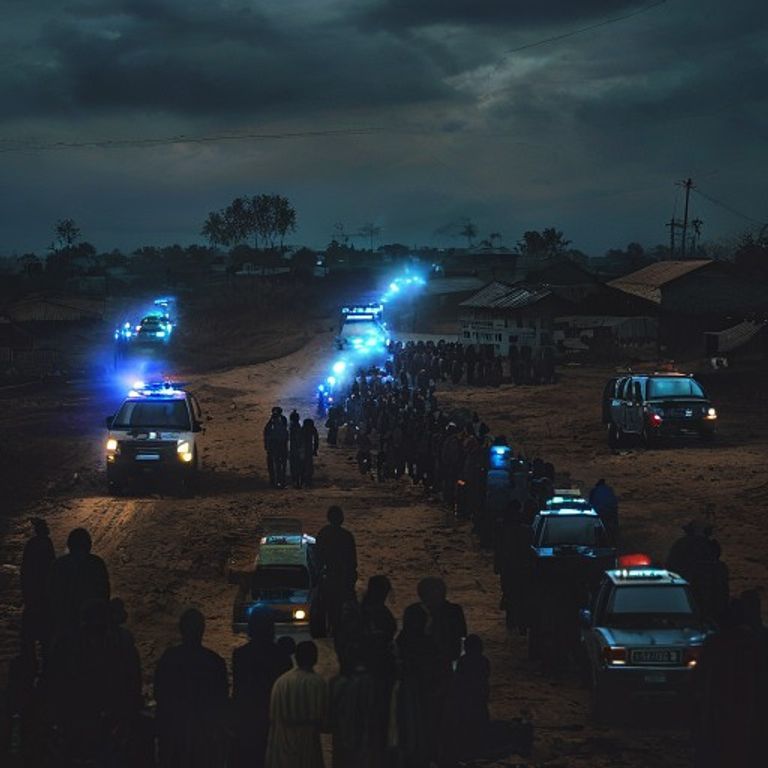
Shabad Village Rocked by Horrific Six-Person Murder Spree: Manhunt Underway After Gruesome Killings
SHABAD, India – A pall of fear and disbelief has descended upon the tranquil rural landscape of Shabad, a village now synonymous with an unfathomable act of brutality. The quiet rhythms of agrarian life have been shattered by a horrific six-person murder spree, allegedly perpetrated by a local farmer. Authorities have launched an intensive manhunt for the accused, whose actions have plunged the community into a state of profound shock and grief. The incident, stemming from a complaint under the Protection of Children from Sexual Offences (POCSO) Act, has exposed the raw underbelly of rural violence and sent ripples of alarm far beyond the village’s borders, demanding immediate attention to the security and well-being of its inhabitants. The shocking nature of these Shabad murders has reverberated across the region, highlighting the urgent need for justice.
The Unfolding Horror: A Timeline of Tragedy
The alleged murders unfolded in a chilling sequence, leaving behind a trail of devastation and unanswered questions. According to preliminary reports from law enforcement, the gruesome events began following a complaint filed against the accused farmer under the stringent POCSO Act. This legal action, designed to protect minors from sexual abuse, appears to have been the catalyst for an explosion of violence that claimed six innocent lives, spanning two families.
The initial targets of the farmer’s alleged rampage were a teenage girl, her mother, and her grandmother. The horrifying details surrounding these initial killings are still being pieced together by investigators, but the sheer scale of the brutality has left seasoned officers stunned. The community struggles to comprehend how a domestic dispute, albeit one with serious legal ramifications, could escalate into such widespread slaughter.
Following these initial acts, the accused reportedly turned his rage towards his own family. In a truly heinous act, his wife and two young sons were allegedly murdered at their home. This secondary act of violence deepens the tragedy, painting a picture of a perpetrator consumed by an unimaginable fury, striking down not only those he perceived as adversaries but also those closest to him. The discovery of these victims at their residence compounded the horror already gripping the village, leaving locals reeling from the sheer depravity of the crime.
The final, and perhaps most disturbing, detail to emerge involves the teenage girl at the center of the POCSO complaint. After the murders of his own family, the accused reportedly drove to a secluded lake, where he allegedly killed the girl before returning home, possibly to gather resources or to evade immediate detection. This suggests a calculated and chilling final act, adding a layer of premeditation and prolonged suffering to the tragedy. The choice of the lake as a final site for the murder indicates a desperate attempt to conceal evidence or to carry out the ultimate act of vengeance in isolation.
Police Mobilize: The Intensive Manhunt
Upon receiving reports of the multiple killings, local police swiftly launched a massive operation. Realizing the gravity of the situation and the immediate danger posed by an absconding suspect, multiple teams have been constituted, comprising experienced detectives and special forces personnel. Checkpoints have been erected at strategic locations, and all exit routes from Shabad and surrounding areas are being rigorously monitored. The police administration has made it clear that no stone will be left unturned in their pursuit of the alleged killer.
Speaking on condition of anonymity, a senior police official involved in the investigation stated, “We are dedicating all available resources to apprehend the accused. This is a crime of immense brutality, and ensuring justice for the victims and their families is our paramount objective. We urge the public to remain vigilant and report any suspicious activity immediately.” The official emphasized the difficulty of tracking a suspect in rural terrain, where dense foliage, scattered dwellings, and intricate pathways can aid escape. However, with modern surveillance techniques and a widespread network of informants, authorities are confident of a breakthrough.
The manhunt extends beyond the immediate vicinity of Shabad. Neighboring districts and states have been alerted, and border security has been tightened to prevent the accused from crossing jurisdictional lines. Photographs and descriptions of the alleged killer have been widely circulated among law enforcement agencies and, cautiously, to the public through official channels, with strict instructions to avoid vigilantism and instead cooperate directly with the police. The psychological toll on the investigating officers is also significant, as they confront the gruesome details of the crime scene and the heartbreaking reality of so many lives lost.
Community leaders and religious figures have been called upon to assist in maintaining calm and encouraging cooperation. The police are particularly keen on gathering any information that could shed light on the accused’s movements, potential hiding spots, or any individuals who might be aiding him. The challenge lies not just in finding one man, but in meticulously piecing together the timeline, motive, and specific actions that led to such an unimaginable tragedy. Forensic teams are working tirelessly at the crime scenes, collecting evidence that could prove crucial in the eventual prosecution of the accused.
A Village Gripped by Fear and Grief
The impact of the alleged Shabad murders on the local community has been profound. Shabad, a close-knit agricultural village where everyone knows everyone, is now shrouded in an atmosphere of fear and collective mourning. The gruesome nature of the killings, particularly involving children, has sent a chill down the spines of residents. Many are hesitant to venture out after dark, and the usual daytime bustle of the village has been replaced by a somber quietness.
- Emotional Trauma: Villagers, still processing the shock, speak in hushed tones of the tragedy. Children are reportedly traumatized, and parents are concerned for their safety, despite assurances from the police.
- Economic Disruption: The immediate aftermath has seen a slowdown in daily activities. Farmers, usually busy in their fields, are grappling with the emotional weight of the events, affecting agricultural output and local commerce.
- Community Vigilance: While fear is palpable, there is also a nascent sense of community vigilance. Residents are supporting each other, sharing information, and keeping an eye out for anything unusual, hoping for the swift apprehension of the accused.
The families of the victims are grappling with unimaginable loss. Local NGOs and government agencies are stepping in to provide psychological support and financial aid to those affected. The long-term psychological impact on the surviving members of the families, and indeed on the entire village, will require sustained attention and care. Memorial services are being planned, symbolizing the community’s attempt to heal and collectively remember those who were lost so tragically.
Broader Implications: POCSO, Rural Violence, and Justice
This horrific incident in Shabad transcends the boundaries of a single village. It casts a harsh spotlight on several critical societal issues:
- Protection of Children from Sexual Offences (POCSO) Act: The very genesis of this tragedy in a POCSO complaint underscores the vital importance of this legislation. It highlights the vulnerability of children and the potential for extreme retaliation when such complaints are made. It also reinforces the need for robust support systems for victims and their families when they come forward.
- Rural Violence: While urban centers often capture headlines for crime, rural areas are not immune to such brutal acts. The isolation and sometimes weaker law enforcement presence in remote villages can, at times, exacerbate the challenges of maintaining peace and order. This case emphasizes the need for strengthened community policing and rapid response mechanisms in rural settings.
- Mental Health and Anger Management: Without speculating on the accused’s mental state, such extreme violence often raises questions about underlying psychological factors, societal pressures, and the availability of mental health support in rural communities, where stigmas often prevent individuals from seeking help.
- Domestic Violence: The alleged murder of the accused’s own wife and children also brings into focus the pervasive issue of domestic violence, often hidden behind closed doors, with devastating consequences.
The incident serves as a stark reminder that justice must be swift and unequivocal. The public’s trust in the legal system is often tested by such heinous crimes, and the successful apprehension and prosecution of the accused will be crucial in restoring that faith. Furthermore, proactive measures to address the root causes of violence, including educating communities on legal recourses and promoting non-violent conflict resolution, are more important than ever.
Calls for Justice and Healing
As the manhunt continues, the fervent hope within Shabad and across the nation is for the swift apprehension of the accused. The pursuit of justice for the six victims – the teenage girl, her mother, grandmother, the accused’s wife, and his two young sons – is not merely a legal imperative but a moral one. Their lives were tragically cut short, and their memory demands that the perpetrator be held accountable for every life he allegedly took.
Beyond the immediate need for justice, there is a profound call for healing within the shattered community of Shabad. The psychological scars left by these events will take years to mend. It is imperative that continuous support, counseling, and resources are provided to the survivors, the bereaved families, and the wider village population to help them navigate this period of immense trauma and rebuild their sense of security.
This tragedy must also serve as a wake-up call for greater vigilance and community engagement in addressing underlying social issues that can fester and erupt into such devastating violence. Enhanced protection for individuals who report serious crimes, particularly those involving minors, is critical. The collective conscience of the nation has been shaken, and while the wounds are fresh, there is an opportunity to reinforce societal values of safety, protection, and uncompromising justice for all. The story of the Shabad murders will undoubtedly become a touchstone for discussions on crime prevention and community resilience in rural India.
Conclusion: A Community’s Resilience Tested
The events in Shabad represent a dark chapter in the village’s history, a brutal reminder of the fragility of peace and the devastating impact of unchecked rage. As the manhunt intensifies, the eyes of the nation remain fixed on Shabad, awaiting news of the accused’s capture. The unwavering resolve of the police, coupled with the resilience of the local community, will ultimately determine the path forward. In the face of unspeakable horror, Shabad stands united in grief, yet resolute in its demand for justice, striving to find strength amidst the ruins of tragedy and to ensure that such an atrocity is never repeated. The memory of the six lives lost will forever be etched into the fabric of the village, serving as a solemn testament to the profound need for compassion, vigilance, and unwavering commitment to the rule of law.