
 By NewsMatrix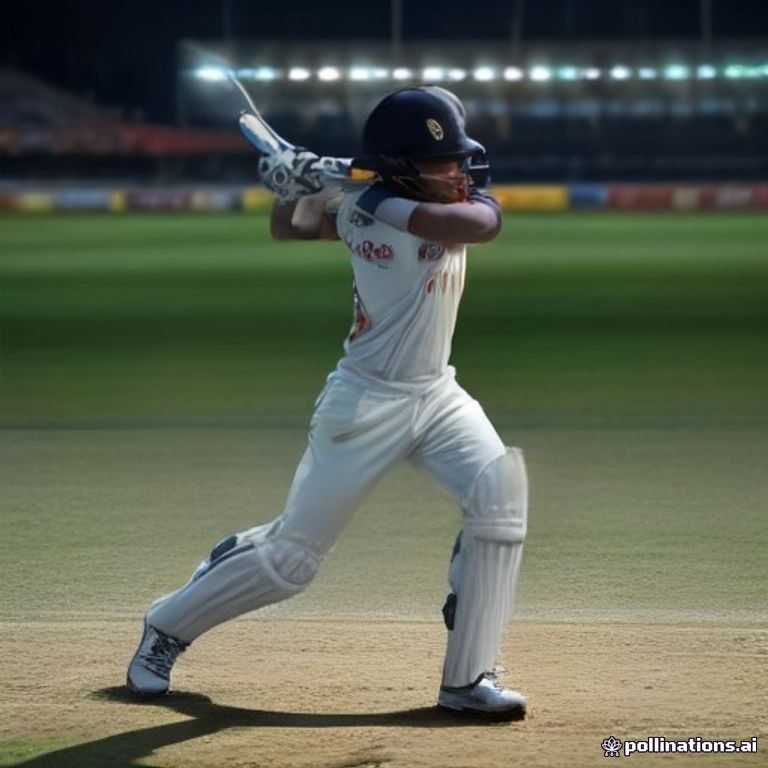
Sanju Samson’s Blistering Knock Reignites India’s T20I Selection Dilemma
In a sport brimming with prodigious talent, the challenge of national team selection often mirrors a complex strategic game itself. For India, a nation where cricket is more than just a game, the stakes are perpetually high, and every selection decision is scrutinized with unparalleled fervor. The recent second T20I against Afghanistan provided a stark reminder of this perennial conundrum, particularly through the explosive performance of Sanju Samson. His blistering knock of 57 runs off a mere 22 balls was not merely a match-winning cameo; it was a powerful statement, an emphatic reassertion of his undeniable class and a fresh impetus to India’s T20I selection dilemma. This innings, characterized by fearless hitting and an audacious display of skill, came at a critical juncture, particularly as Samson has, at times, found himself contending with a crowded field of contenders, including emerging talents like Vaibhav Sooryavanshi. Samson’s response on the field was a testament to his resilience and a clear indication of the delicate balance selectors must strike between rewarding merit, providing opportunities, and fostering a long-term vision for Indian cricket.
The Audacity of an Explosive Innings
The match situation was ripe for a hero, and Sanju Samson stepped up with an innings that was both breathtaking and strategically brilliant. Coming in when the team needed acceleration, Samson wasted no time in unleashing his array of strokes. Each boundary and six was hit with conviction, displaying not just power but also impeccable timing and placement. His strike rate of over 250 was a clear indicator of the dominance he exerted over the Afghan bowlers, dismantling their plans with a calculated aggression. This was not a mindless slog; it was a masterclass in T20 batting, where every risk was measured, and every shot had intent. The ease with which he found gaps and cleared the ropes underscored his natural talent and inherent ability to dictate terms in the shortest format. For fans and pundits alike, it was a timely showcase of the match-winning potential he brings to the table, an attribute highly coveted in the cutthroat world of international T20 cricket.
Navigating the Labyrinth of India’s T20I Selection
India’s cricketing landscape is a fertile ground for talent, producing a continuous stream of players capable of performing at the highest level. While this abundance is a blessing, it simultaneously presents a significant challenge for the national selectors. The competition for spots, particularly in the dynamic T20 format, is intense. Players like Sanju Samson, who possess unique skills and match-winning capabilities, often find themselves in a statistical tug-of-war against equally talented peers. The case of Vaibhav Sooryavanshi, a teenage sensation making waves in domestic circuits and IPL, exemplifies the kind of emerging talent that constantly pushes established players. Sooryavanshi’s rise, while exciting for Indian cricket’s future, adds another layer of complexity to Samson’s journey, highlighting the transient nature of positions in a fiercely competitive squad. Selectors must weigh various factors: a player’s current form, their consistency over time, their specific role fit within the team’s strategy, and crucially, their potential for long-term impact. This balancing act requires foresight and an acute understanding of the team’s immediate needs versus its strategic evolution.
The T20 format, with its emphasis on explosiveness and adaptability, demands players who can perform under pressure and turn games around in a matter of overs. Samson’s recent innings showcased exactly these qualities. However, consistent opportunities at the international level have often eluded him, leading to debates about whether he has been given a long enough rope to establish himself. The “feast or famine” perception often associated with his career adds to the complexity, making it harder for selectors to make a definitive call without extensive deliberation. The question isn’t just about who is performing well now, but also about building a cohesive unit that can excel in major tournaments.
The Echoes of Past Dilemmas: Consistency and Opportunity
The challenges faced by Sanju Samson are not unique in the annals of Indian cricket. Throughout history, numerous talented cricketers have grappled with the twin demands of consistency and adequate opportunity to cement their place in the national squad. One need only recall instances of other gifted batsmen who, despite flashes of brilliance, struggled to maintain a permanent fixture in the team due to intense competition or specific team requirements. The Indian team management often prioritizes players who can offer a multi-faceted contribution or those who fit into a very specific tactical mold. For a pure batsman like Samson, the pressure to deliver impactful, game-changing performances every time he steps onto the field is immense, especially when opportunities are sporadic.
Building consistency at the international level requires a consistent run in the playing XI, allowing a player to adapt to the pressures and nuances of the highest stage. When opportunities are fragmented, it becomes exceptionally difficult for any player, no matter how talented, to find their rhythm and build the confidence necessary for sustained peak performance. Samson himself has acknowledged this intricate dance between form and fortune, often emphasizing the importance of staying ready and seizing every chance. His latest innings against Afghanistan was a perfect embodiment of this philosophy – a demonstration that when given an opportunity, he possesses the capability to turn the tide emphatically. However, the question remains: will such performances translate into a more permanent role, or will he continue to be seen as an impact player whose services are called upon selectively?
The dynamics of team selection also involve looking beyond individual brilliance to team cohesion and roles. Does Samson fit into the top order or the middle order? What is his best position, and how does that impact the overall balance of the team? These are crucial questions that selectors must address, often leading to tough decisions that leave deserving players on the sidelines. The challenge for Samson, therefore, extends beyond just personal performance; it involves fitting into the larger strategic jigsaw puzzle of the Indian T20I squad.
Looking Ahead: Sanju Samson and India’s T20I Future
Sanju Samson’s recent heroics undoubtedly add significant weight to his case for a more consistent run in the T20I squad. His ability to accelerate the scoring rate, coupled with his clean hitting and wicket-keeping skills, makes him a valuable asset. The innings against Afghanistan showcased a mature approach, blending aggression with calculated risk, suggesting a player who is increasingly understanding the demands of international cricket. For the selectors, the challenge now intensifies: how to integrate a player of Samson’s caliber into a team that is constantly evolving and experimenting with various combinations in preparation for upcoming major tournaments?
The emergence of younger talents like Vaibhav Sooryavanshi serves as a crucial reminder that the competition will only get tougher. This healthy rivalry, however, can also be a catalyst for established players to push their boundaries even further. Samson’s response to this challenge has been exemplary – letting his bat do the talking. The coming months will be critical in determining his trajectory in India’s T20I setup. Will this innings be the turning point that secures him a long-term slot, or will it remain another compelling chapter in a career marked by flashes of brilliance interspersed with periods of waiting? The answer lies in the selectors’ interpretation of balancing immediate needs with long-term strategic planning, and Samson’s continued ability to deliver such impactful performances whenever called upon.
Conclusion: A Conundrum Endures
Sanju Samson’s explosive 57 off 22 balls against Afghanistan was far more than a mere statistical entry; it was a potent reminder of the depth of talent within Indian cricket and the intricate dance of selection. It underscored the compelling case he consistently makes for himself while simultaneously highlighting the complexities faced by the national selectors. Balancing the raw, fearless talent of a player like Samson with the need for team cohesion, long-term vision, and the continuous emergence of new stars like Vaibhav Sooryavanshi is an unenviable task. This innings served as a fresh chapter in a long-standing narrative, reinforcing that while individual brilliance can light up a scoreboard, the path to a permanent spot in the Indian team remains a rigorous journey of sustained performance, strategic fit, and perhaps, a touch of opportune timing. As India continues its quest for T20I supremacy, the India T20I selection dilemma will undoubtedly remain a focal point of discussion, embodying the vibrant and fiercely competitive spirit of Indian cricket.