
 By NewsMatrix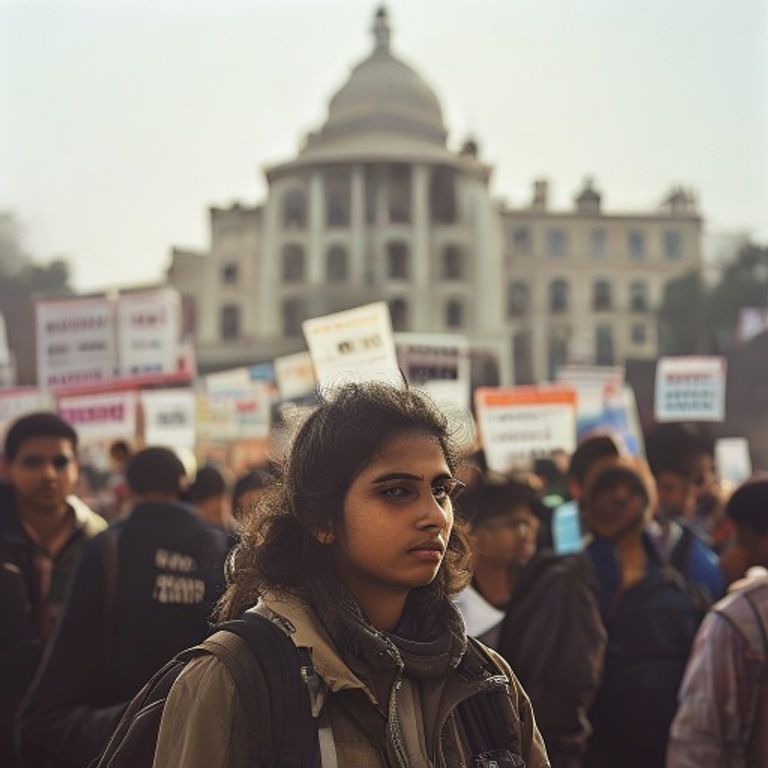
Rahul Gandhi Hails Student Protests, Calls Pradhan’s Resignation a Significant Step for Education System
New Delhi, India – In a significant political development echoing across the nation, senior Congress leader Rahul Gandhi has extended his heartfelt congratulations to the youth protesters following the recent resignation of Union Minister Dharmendra Pradhan. Gandhi characterized Pradhan’s departure as a pivotal moment for India’s beleaguered education system, underscoring the power of democratic dissent. His remarks put a spotlight on the persistent calls for transparency and accountability that have resonated through student demonstrations nationwide, particularly concerning the integrity of examinations and academic institutions. Rahul Gandhi on Student Protests has become a prominent narrative, highlighting the unwavering spirit of young individuals advocating for their rights and the future of the nation.
The former Congress President, addressing media persons and through his social media channels, lauded the students for their tenacious fight in upholding the fundamental tenets of democracy and the Constitution. He emphasized that the youth’s activism serves as a crucial bulwark against perceived governmental failures and asserts the collective will of the populace in safeguarding institutional integrity. This strong endorsement from a prominent opposition figure lends considerable weight to the students’ cause, framing their movement as a defense of national values rather than mere agitation.
A Victory for Democratic Values and the Constitution
Gandhi’s congratulatory message was not merely a political statement but a reinforcement of the democratic ethos. He articulated that the students’ steadfast resolve against alleged injustices within the education sector was a direct manifestation of their commitment to constitutional principles. “This is a victory for democratic values and the Constitution,” Gandhi stated, commending the bravery and resilience of young individuals who chose to stand up for what they believe is right. He further elaborated that such sustained pressure from the youth is essential in a healthy democracy to ensure that governance remains accountable and responsive to public concerns.
The student movement, which has gained significant momentum in recent weeks, has been characterized by its organized yet passionate demand for justice. These protests, spanning various cities and involving thousands of students, have brought to the forefront critical questions about the administration of public examinations, allegations of paper leaks, and the broader credibility of educational bodies. The unwavering commitment shown by these young individuals, often in the face of adversity, has garnered widespread attention and sympathy, forcing political leaders and public institutions to take notice.
Accountability: A Non-Negotiable Demand
Beyond celebrating the students’ success in prompting a ministerial resignation, Rahul Gandhi issued a stern call to the government, urging immediate and stringent action against those responsible for the assault on protesting students. His demand highlights a critical aspect of democratic protest: the right to peaceful assembly and the protection of demonstrators from violence. “The government must identify and hold accountable those who assaulted students,” Gandhi asserted, emphasizing that any act of violence against peaceful protesters is an attack on the very fabric of democracy and must not go unpunished. This insistence on accountability extends beyond the educational malpractices to the treatment of the protesters themselves, adding another layer of demand to the ongoing discourse.
The incidents of alleged assault on students during protests have been widely reported, sparking outrage and further intensifying the demands for justice. Eyewitness accounts and media reports have depicted scenes where students, exercising their fundamental right to protest, were reportedly subjected to force. Gandhi’s direct appeal to the government underscores the urgency of investigating these incidents thoroughly and bringing perpetrators to justice, thereby reassuring citizens that their right to peaceful demonstration is protected and respected.
Moreover, this demand for accountability resonates deeply with the broader public, who view the protection of students as a paramount responsibility of the state. The narrative of students being assaulted while peacefully advocating for their future creates a powerful imagery that challenges the state’s commitment to its citizens. By raising this issue forcefully, Gandhi aims to broaden the scope of accountability beyond just the resignation of a minister to include the protection of fundamental rights during dissent.
An Apology from the Prime Minister: A Gesture Towards Healing
In a powerful and direct challenge, Rahul Gandhi also urged the Prime Minister to issue a public apology to the protesting students. This call for an apology is not merely symbolic; it represents a demand for acknowledgement of the students’ grievances and an expression of remorse for the circumstances that led to their protests and the hardships they endured. Gandhi’s appeal suggests that an apology from the highest office would be a crucial step towards mending the trust deficit between the government and the youth, and indeed, the wider populace.
An apology from the Prime Minister, in Gandhi’s view, would signify a recognition of the legitimate concerns raised by the students and a willingness to engage constructively with their demands. It would also serve as a gesture of humility and empathy, qualities often sought in leadership, particularly during times of public discontent. Such an apology could potentially de-escalate tensions, foster an environment of dialogue, and demonstrate the government’s commitment to address the root causes of the widespread disaffection among the youth regarding the education system.
The perception among many is that the government initially underestimated the intensity and legitimacy of the student movement. An apology could reverse this perception, signaling a shift towards a more conciliatory and understanding approach. It could also empower students, validating their efforts and ensuring them that their voices are heard at the highest levels of governance. This act of contrition, if it were to occur, would undoubtedly be a landmark moment in the ongoing national conversation about governance, youth engagement, and the future of India’s education.
The Broader Implications for India’s Education System
Dharmendra Pradhan’s resignation, catalyzed by sustained student pressure, marks a significant moment for India’s education system, which has been under scrutiny for various alleged irregularities. The focus now shifts to the systemic reforms necessary to restore faith in examination processes and educational institutions. Gandhi’s assertion that Pradhan’s departure is a “significant step” implies that this is just the beginning of a longer journey towards comprehensive reform. The demands from the student community are not limited to punitive actions but extend to structural changes that prevent future lapses and ensure fairness and transparency.
The protests have unearthed deep-seated anxieties among students about their future, particularly concerning the fairness of competitive examinations that are often gateways to higher education and employment. Allegations of paper leaks and irregularities not only undermine the hard work of millions but also erode public trust in the meritocratic system. The resignation, therefore, serves as a powerful testament to the collective power of organized dissent and its ability to influence high-level political decisions. It sends a clear message that the youth will not silently accept compromises to their academic integrity or career prospects.
Education is often considered the bedrock of a nation’s development, and any perceived threat to its integrity can have far-reaching consequences. The recent events highlight the urgent need for a robust and transparent mechanism for conducting examinations, stringent measures against malpractices, and an effective grievance redressal system for students. Policymakers will now face increased pressure to implement meaningful reforms that address the structural vulnerabilities exposed by these protests, ensuring a level playing field for all aspirants.
Youth Activism: A Force for Change
The recent wave of student protests, culminating in a ministerial resignation, underscores the potent role of youth activism in shaping India’s political and social landscape. Historically, student movements have been catalysts for significant change in India, from the independence struggle to various social and political reforms. This current movement reaffirms that tradition, showcasing the power of organized youth to challenge authority and demand accountability. The digital age has further amplified their voices, allowing for rapid mobilization and widespread dissemination of their grievances, making it harder for issues to be ignored.
The students’ ability to unify across different regions and institutions, driven by a common objective, speaks volumes about their collective strength. Their protests were not merely about specific examination irregularities but morphed into a broader call for good governance, ethical leadership, and a responsive public administration. This demonstration of collective power serves as a vital lesson for both the government and civil society, emphasizing the importance of listening to and addressing the concerns of the younger generation, who are the future stakeholders of the nation.
The sustained engagement of youth in political discourse and their willingness to take to the streets for their rights signal a healthy, vibrant democracy. It reminds political establishments that power comes with responsibility and that failure to uphold public trust can lead to significant consequences. The legacy of these protests will likely extend beyond the immediate resolution of examination issues, fostering a more vigilant and engaged student body that is prepared to advocate for systemic change.
Looking Ahead: The Path to Reform and Reconciliation
As the dust settles on Dharmendra Pradhan’s resignation, the focus now squarely rests on the government’s subsequent actions. The challenges ahead involve not only addressing the immediate grievances of the students but also initiating long-term structural reforms to rebuild trust in the education system. This will require a multi-pronged approach encompassing legislative changes, administrative overhauls, and a commitment to greater transparency.
The government’s response to Rahul Gandhi’s calls for accountability and an apology will be keenly watched. How it chooses to engage with the student community and address the broader issues of youth alienation will define its commitment to democratic principles. A path towards genuine reconciliation would involve open dialogue, active listening, and tangible steps to demonstrate that student concerns are being taken seriously. The political ramifications of this episode are significant, potentially shaping future electoral landscapes and influencing the narrative around governance and youth empowerment.
In conclusion, Rahul Gandhi’s endorsement of the student protests and his pointed demands for accountability and a prime ministerial apology have elevated the discourse surrounding the integrity of India’s education system and the right to democratic dissent. The resignation of Dharmendra Pradhan is indeed a noteworthy development, but it also signals the commencement of a more profound national introspection on governance, transparency, and the imperative to safeguard the future of India’s youth. The students, through their unwavering spirit, have unequivocally demonstrated that their voices are a powerful force for change, capable of influencing the highest echelons of power and demanding a government that is truly by and for the people.