
 By NewsMatrix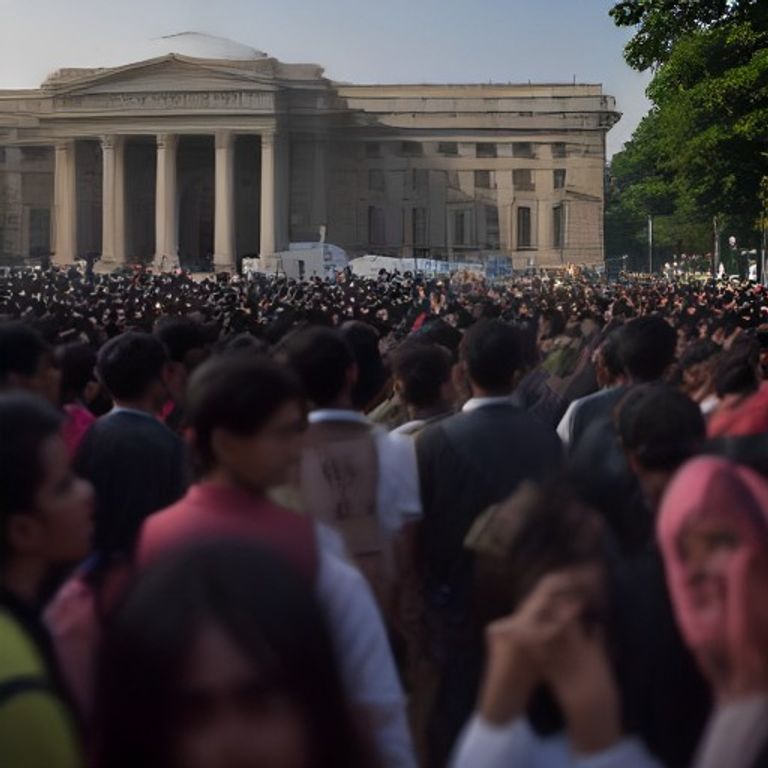
Rahul Gandhi Backs Protesting Students Over Jharkhand Recruitment Exam Irregularities
In a significant political move, Congress leader Rahul Gandhi has unequivocally thrown his weight behind students protesting against alleged Jharkhand recruitment exam irregularities. The veteran politician has urged Jharkhand Chief Minister Hemant Soren to initiate immediate dialogue with student representatives, many of whom are currently engaged in an indefinite hunger strike. Gandhi’s public declaration underscores the Congress party’s complete solidarity with the aggrieved students, shining a spotlight on what he terms the “exploitation” of India’s education system by certain powerful factions. This intervention elevates a local protest into a national discussion, demanding urgent attention from the state government and prompting a broader examination of the transparency and fairness of public recruitment processes in the country.
The Genesis of Jharkhand’s Recruitment Crisis
The student protests in Jharkhand are rooted in deep-seated grievances concerning the alleged widespread irregularities and lack of transparency in the state’s public service recruitment examinations. For months, thousands of aspiring candidates have voiced concerns over various issues, including question paper leaks, flawed examination procedures, delayed results, and arbitrary changes in recruitment policies. These issues have plagued several key examinations conducted by the Jharkhand Staff Selection Commission (JSSC) and other state bodies, affecting opportunities for positions across various government departments. The cumulative frustration over a perceived unfair system has reached a boiling point, culminating in organized protests across the state capital, Ranchi, and other major cities. Students argue that these irregularities not only jeopardize their future but also erode faith in the state’s administrative machinery and the very promise of merit-based employment. The chronic nature of these issues has led to a deep sense of betrayal among the youth who invest years of their lives preparing for these highly competitive exams, only to find the process marred by systemic failures. This continuous cycle of hope and disappointment has fueled the current wave of sustained agitation, drawing significant public and now, political attention.
Rahul Gandhi’s Resounding Call for Dialogue and Justice
Rahul Gandhi’s direct appeal to Chief Minister Hemant Soren marks a critical turning point in the student agitation. Speaking on the matter, Gandhi emphasized the moral imperative for the state government to “listen to the students and engage with their representatives.” His statement was a clear endorsement of the students’ demands for transparency, accountability, and a fair resolution to the recruitment quagmire. The Congress party, a key ally in the ruling Jharkhand Mukti Morcha (JMM)-led coalition government in Jharkhand, has leveraged this opportunity to reaffirm its commitment to youth empowerment and educational integrity. Gandhi’s remarks highlighted a broader concern, stating that “the Indian education system is being exploited by certain factions,” a sentiment that resonates with countless young individuals across the nation who feel marginalized by systemic flaws. This powerful backing from a prominent national leader not only amplifies the students’ voices but also exerts considerable political pressure on the Soren government to act decisively and restore faith in the recruitment process. His intervention is seen by many as a strategic move to align the Congress party with the aspirations of the youth, who often form a significant voter base and are increasingly vocal about issues of governance and opportunity.
The Students’ Plight: An Indefinite Hunger Strike for Fairness
At the heart of the ongoing protests is an indefinite hunger strike initiated by several determined student leaders. Their act of civil disobedience serves as a stark symbol of their desperation and unwavering resolve to secure justice. The striking students, representing a broader collective of aggrieved candidates, have put forth a clear set of demands. These typically include:
- Immediate and transparent investigation into all alleged exam irregularities, with perpetrators held accountable.
- Cancellation of examinations found to be compromised and their re-conduct in a fair and secure manner.
- Implementation of stringent, technology-driven measures to prevent future paper leaks, cheating, and malpractices.
- Establishment of a clear, stable, and timely calendar for all recruitment processes, ensuring predictability.
- Meaningful consultation with student bodies and experts on future recruitment policy amendments and examination reforms.
- Expeditious processing of results and appointments for legitimate candidates.
The hunger strikers have vowed to continue their protest until their demands are met, putting immense pressure on the state administration to address their grievances before the situation escalates further. Their courage and resilience have galvanized support from various civil society groups, educational activists, and opposition parties, turning what began as localized discontent into a powerful statewide movement for accountability and systemic reform. The personal sacrifices made by these students underscore the gravity of the situation and the depth of their commitment to a fair future.
Navigating the Political Minefield: Government’s Response and Broader Implications
The Jharkhand government, led by Chief Minister Hemant Soren, now faces a significant political challenge. While official responses have varied, the mounting pressure from student bodies, coupled with the intervention of a national figure like Rahul Gandhi, necessitates a prompt and credible resolution. Initial statements from government officials have often acknowledged the students’ concerns while promising to look into the matter. However, concrete actions addressing the core demands have been slow, leading to increased frustration among the protesting youth. This issue also carries significant political ramifications for the ruling coalition. With upcoming elections in various parts of India, and the potential for state elections, the youth vote, particularly those aspiring for government jobs, is a crucial demographic. Alienating this segment could have long-term electoral consequences. The opposition parties, not just the Congress, are likely to seize upon this issue to highlight perceived governance failures, turning the recruitment crisis into a major political battleground. The manner in which CM Soren handles this crisis will undoubtedly be a defining moment for his administration, testing its commitment to transparency, its ability to engage effectively with disgruntled stakeholders, and its capacity to deliver justice. The political tightrope walk involves balancing immediate demands with long-term systemic reforms to prevent recurrence.
A Symptom of a Larger Problem: Exploitation of India’s Education System
Rahul Gandhi’s assertion that the Indian education system is being “exploited by certain factions” strikes a chord that resonates far beyond Jharkhand’s borders. The issue of recruitment exam irregularities is not isolated to one state; it is a recurring problem that plagues various public sector recruitment processes across India. From state-level examinations to national competitive tests, incidents of paper leaks, corrupt practices, and procedural lapses have frequently surfaced, undermining the integrity of the system and shattering the dreams of millions of meritorious students. This systemic vulnerability allows unscrupulous elements to profit from the aspirations of young people, creating an uneven playing field and fostering deep distrust. The exploitation stems from a complex interplay of factors: weak regulatory frameworks, insufficient oversight, technological loopholes, and in some cases, alleged collusion between corrupt officials and external entities. Addressing these deep-rooted issues requires not just punitive measures but comprehensive reforms aimed at fortifying the examination process from end to end, ensuring that merit and hard work remain the sole criteria for success. The consistent failure to ensure fair recruitment processes reflects a broader governance challenge that impacts national development and youth morale.
Conclusion
The ongoing student protests in Jharkhand, now amplified by the strong endorsement of Rahul Gandhi, underscore a critical juncture for the state and potentially for India’s public recruitment system. The call for Chief Minister Hemant Soren to engage directly with student representatives reflects the urgency of the situation and the imperative to restore faith in governance. While the immediate focus remains on resolving the specific grievances related to Jharkhand recruitment exam irregularities, this episode serves as a powerful reminder of the broader challenges facing the nation’s youth and the integrity of its competitive examination processes. The solidarity shown by the Congress party highlights a growing political awareness of these issues and signals that the exploitation of the education system, as Gandhi put it, can no longer be overlooked. A timely, transparent, and just resolution to the students’ demands is not merely a matter of administrative efficiency; it is a fundamental pillar of social justice and a testament to the government’s commitment to securing a fair and prosperous future for its young citizens. NewsMatrix will continue to monitor this developing story closely, emphasizing the need for robust reforms to protect the integrity of educational and recruitment pathways across the country.