
 By NewsMatrix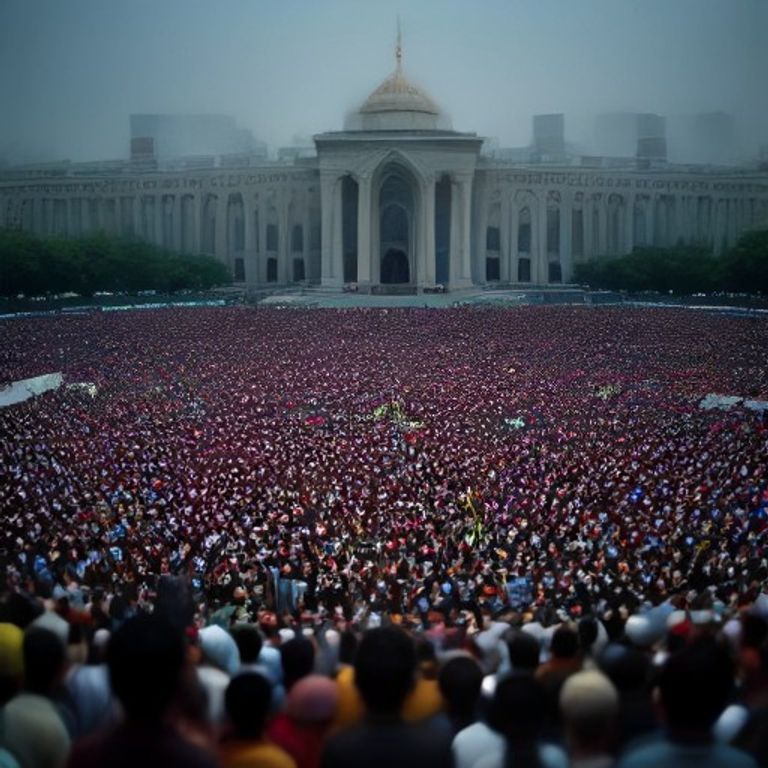
Protesters Demand Chief Minister Resignation Amid Mounting Frustration: August 10 Gherao Looms
NewsMatrix Exclusive – The political landscape is set to witness a significant escalation of public dissent as agitated groups gear up for a massive assembly “gherao” on August 10. This intensified protest comes in the stark backdrop of what demonstrators describe as persistently ineffective government redressal mechanisms. The boiling point has been reached, with a prominent protester declaring, “We remain steadfast until the government accepts our demands. We now demand the Chief Minister Resignation, as he is unfit for the office he holds. It has been so long since he returned from Bengaluru, yet he has taken no cognisance of the situation.” This unequivocal statement underscores a deep-seated disillusionment and a growing clamour for accountability at the highest echelons of power.
The Genesis of Discontent: A Chronicle of Unfulfilled Promises
The roots of the current widespread frustration stretch back several months, punctuated by a series of smaller, localised protests that have consistently failed to elicit a meaningful response from the state administration. Initially, the grievances were diverse, ranging from farmers’ demands for better crop prices and loan waivers to urban dwellers’ complaints about deteriorating infrastructure, inadequate public services, and rampant unemployment. Students, too, have voiced their anger over perceived educational system failures and a lack of job opportunities post-graduation. These disparate issues, though seemingly unconnected, have coalesced around a central theme: the government’s perceived apathy and inaction.
Early attempts by various activist groups to engage in dialogue with local authorities and even state-level ministers reportedly hit roadblocks. Memoranda were submitted, rallies were held, and press conferences were convened, all with the singular aim of bringing the public’s suffering to the attention of decision-makers. However, according to protest organizers, these efforts were met with either silence, bureaucratic delays, or superficial assurances that never translated into concrete action. This pattern of unresponsiveness gradually eroded public trust, transforming initial pleas for attention into hardened demands for systemic change.
Escalation and the Impending “Gherao”
The decision to orchestrate an assembly “gherao” on August 10 marks a significant tactical shift for the protest movement. A “gherao,” a Hindi term meaning “encirclement,” is a form of protest in India where individuals or groups surround government buildings, officials, or institutions to press their demands, often aiming to prevent movement or disrupt normal functioning until their grievances are addressed. This tactic is typically employed when conventional methods of protest are deemed ineffective and is seen as a powerful, albeit sometimes disruptive, expression of collective anger.
Organizers have been mobilising extensively across rural and urban areas, leveraging social media and community networks to garner support. Thousands are expected to converge on the state capital, intending to encircle the legislative assembly building. “This isn’t just about one issue; it’s about a complete breakdown of governance,” stated another prominent activist, who wished to remain anonymous due to fear of reprisal. “People are tired of empty promises. The August 10 gherao is a culmination of our collective anguish, a last resort to make our voices heard unequivocally.”
The logistics of such a large-scale demonstration are complex, involving coordination between various regional factions, ensuring peaceful conduct, and managing the inevitable challenges of crowd control. Authorities, on their part, are likely bracing for potential disruptions, with heightened security measures expected around the assembly premises and key government installations. The question remains whether the government will attempt to de-escalate the situation through dialogue or opt for a more forceful approach to manage the crowd.
The Chief Minister Under Fire: A Call for Resignation
Central to the escalating crisis is the direct challenge to the Chief Minister’s leadership. The statement from the protester, “We now demand the Chief Minister’s resignation, as he is unfit for the office he holds,” reflects a profound loss of confidence in his ability to govern. This sentiment is amplified by the reference to his recent return from Bengaluru, implying that despite his presence back in the state, there has been a noticeable lack of engagement or proactive measures to address the pressing issues.
Sources close to the protest movement suggest that the Chief Minister’s perceived aloofness and detachment from the ground realities have been major contributing factors to the current impasse. Critics point to what they describe as a series of policy missteps, administrative inefficiencies, and a general lack of empathy towards the plight of ordinary citizens. The specific mention of his return from Bengaluru without “taking cognisance of the situation” suggests a public perception that critical time was lost or opportunities missed to mitigate the growing unrest.
Political analysts weigh in, suggesting that a demand for a Chief Minister’s resignation is not made lightly and often signifies a deep chasm between the government and a significant segment of the populace. “When such demands gain traction, it indicates that the public perceives a complete failure of leadership and accountability,” noted Dr. Anjali Sharma, a political science professor at the University. “It’s no longer about specific policies but about the integrity and capability of the highest office.”
Government’s Stance and Future Implications
The state government has, so far, maintained a cautious silence or offered generic assurances of working towards public welfare. There has been no specific official statement directly addressing the demand for the Chief Minister’s resignation or the impending “gherao.” This lack of a direct and conciliatory response has only served to fuel further anger among the protesting factions, who interpret it as further proof of the government’s indifference.
However, behind the scenes, political observers speculate on the internal dynamics within the ruling party. A large-scale gherao, especially one backed by a clear demand for the Chief Minister’s removal, could trigger significant political instability. Opposition parties are likely to seize upon the opportunity to amplify the public’s grievances, potentially leading to calls for a no-confidence motion or even early elections. The pressure on the Chief Minister to respond meaningfully will be immense, both from the protesting public and from within his own party ranks, who may be wary of the political fallout.
The government’s response in the days leading up to August 10 will be crucial. A heavy-handed approach could backfire, galvanising more support for the protesters and drawing condemnation from human rights organizations. Conversely, a genuine attempt at dialogue and negotiation, coupled with concrete proposals for redressal, could potentially defuse the situation, though the demand for the Chief Minister’s resignation presents a significant hurdle for any negotiation.
Historical Context and Precedents
India has a rich history of public protests and mass movements playing a pivotal role in shaping its political narrative. From the independence movement to various socio-political agitations post-independence, public demonstrations have often served as a powerful tool to hold governments accountable. The “gherao” tactic, while disruptive, has been used in various forms over the decades to draw attention to urgent issues. However, a direct and widespread demand for a Chief Minister’s resignation at such a scale is less common and signals a moment of significant political tension.
Previous instances where state Chief Ministers faced widespread calls for resignation have often led to either significant political reforms, changes in leadership, or in some cases, prolonged periods of unrest. The outcome of the August 10 gherao and the government’s subsequent actions could set a new precedent for how public grievances are addressed and how political accountability is enforced in the state.
Voices from the Ground: The Unwavering Resolve
As the countdown to August 10 begins, the resolve among the protesters remains palpable. Community leaders are holding meetings, disseminating information, and ensuring that participants understand the importance of a peaceful yet firm demonstration. “This is not about violence; it’s about democracy,” affirmed a village elder who plans to join the gherao. “Our votes put him in power, and our suffering demands his accountability. If he cannot govern, he must step aside.”
Younger participants, many of whom are grappling with unemployment and uncertain futures, see the gherao as their last hope for change. “We’ve tried everything else,” said a recent graduate. “Petitions, marches, social media campaigns – nothing moved them. Maybe a direct confrontation at the assembly will finally make them listen. We are fighting for our future.” The sentiment is one of desperation mixed with a determined hope that collective action can finally force the hand of a seemingly indifferent administration.
Conclusion: A Defining Moment for State Politics
The impending assembly “gherao” on August 10 is poised to be a defining moment in the state’s political history. Fueled by a deep-seated frustration over unaddressed grievances and culminating in a direct demand for the Chief Minister Resignation, the protest highlights a critical breakdown in trust between the government and its people. The Chief Minister’s perceived failure to acknowledge and act upon the widespread discontent, especially after his return from Bengaluru, has only intensified the calls for his departure.
As thousands prepare to descend upon the capital, the eyes of the nation will be on how the state government chooses to respond. Will it engage in meaningful dialogue to de-escalate the crisis, or will it risk further alienating a public already at its breaking point? The outcome will not only determine the future of the current administration but also set a crucial precedent for democratic accountability and the power of public protest in the region. The unwavering resolve of the protesters signals that they are prepared for a prolonged struggle, making the upcoming days critical for political stability and governance in the state.