
 By NewsMatrix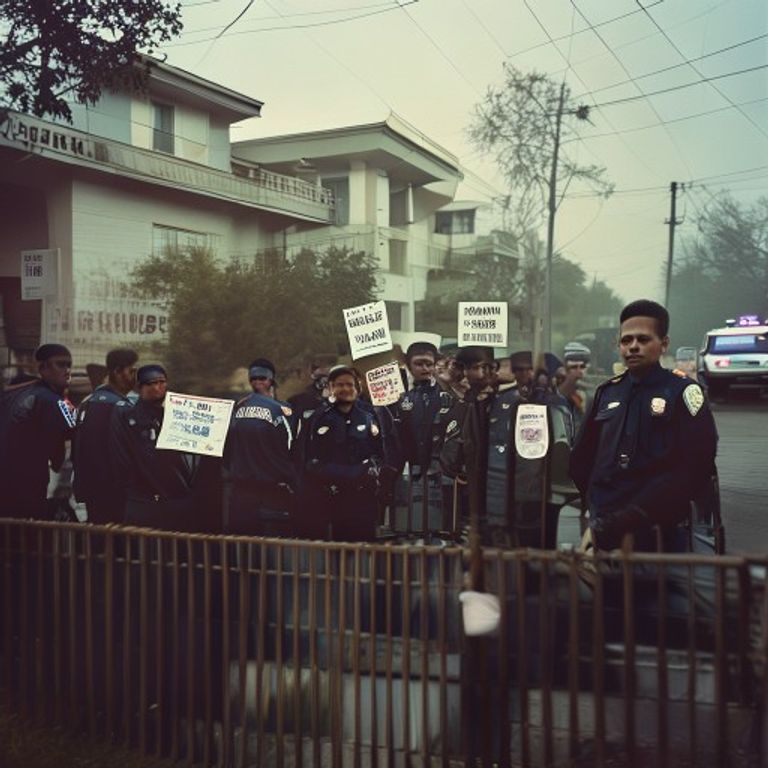
Political Tensions Surge as Congress Alleges House Arrest of UP Chief Over Ayodhya Visit
In a developing story that has sparked intense political discourse, the Indian National Congress has levelled serious allegations against the Bharatiya Janata Party (BJP) government in Uttar Pradesh. The party claims that its state president, Ajay Rai, was placed under house arrest to prevent a scheduled delegation from visiting the Ram Temple in Ayodhya. This incident has brought the already heated political climate in the region to a boiling point, drawing criticism from opposition leaders and raising questions about democratic dissent.
As reported by NewsMatrix, the situation unfolded rapidly when Congress leaders planned to visit the site to offer prayers and assess the ongoing controversies surrounding the temple. According to the party, the move to restrict the movement of their leadership is a direct attempt to suppress investigation into allegations of fund embezzlement associated with the temple trust.
The Sequence of Events
The Congress party asserted that as soon as preparations were underway for the delegation’s departure to Ayodhya, police personnel surrounded the residence of Ajay Rai. The party maintains that this action was pre-meditated and aimed specifically at obstructing their political activities. For NewsMatrix readers seeking clarity on the timeline, the following points summarize the allegations:
- The Congress delegation intended to visit the Ram Temple to pay respects and address local concerns.
- Party officials allege that police barricades were erected around Ajay Rai’s house early in the morning.
- Congress workers who attempted to reach the residence were reportedly detained, adding to the growing friction.
- The party officially characterized these actions as a ‘cowardly move’ by the ruling administration to prevent scrutiny.
Allegations of Temple Fund Embezzlement
At the heart of this confrontation lies a contentious issue regarding the management of funds intended for the Ram Temple construction. The Congress party has been vocal about alleged irregularities and embezzlement within the temple trust. By attempting to visit the site, the opposition argues they were acting in their capacity as a responsible political entity, seeking transparency and accountability regarding public donations.
The BJP government, however, has dismissed these claims, often framing such visits by opposition parties as attempts to politicize a site of significant religious and national sentiment. The clash between these two narratives has turned a visit to a religious site into a high-stakes political standoff, demonstrating the depth of the ideological divide in Uttar Pradesh politics.
Constitutional Concerns and Democratic Rights
The Congress leadership has been scathing in its criticism, labeling the detention as unconstitutional and a violation of basic democratic rights. Party spokespersons argued that preventing an opposition leader from traveling and interacting with their constituents is a dangerous precedent. According to NewsMatrix correspondents, the party has issued a formal demand for the immediate release of all detained members, asserting their right to freedom of movement and political expression.
Legal analysts following the matter note that while the state administration often cites law and order concerns for such preventive detentions, the threshold for restricting a political leader’s movement is high. The legality of such an action is likely to be debated in both the legislative assembly and the court of public opinion, as both sides seek to gain the upper hand in the narrative.
Broader Political Implications
This incident is not an isolated event but rather a reflection of the intense competition ahead of future electoral cycles in Uttar Pradesh. The Ram Temple remains a central theme in Indian politics, and any controversy surrounding its management serves as a lightning rod for political engagement. For NewsMatrix, this story highlights the increasing difficulty for the opposition to challenge the ruling government in the state, with observers noting a trend of assertive state action against dissenting voices.
As the situation develops, the focus remains on whether the Congress party will be permitted to proceed with their visit or if the current deadlock will persist. Supporters of the party are calling for statewide protests, while government officials continue to maintain that their actions were necessary to prevent potential disturbances in a sensitive area.
Conclusion
The situation in Uttar Pradesh serves as a stark reminder of the complexities surrounding religious, political, and constitutional issues in contemporary India. As NewsMatrix continues to monitor this evolving situation, the core question remains: will the administration allow for legitimate political dissent, or will such restrictions become the new normal? The outcome of this confrontation will likely have lasting impacts on the political trajectory of the state, influencing how opposition parties approach sensitive issues in the future.
We will continue to provide updates as more information regarding the status of the detained leaders and the official government response becomes available.