
 By NewsMatrix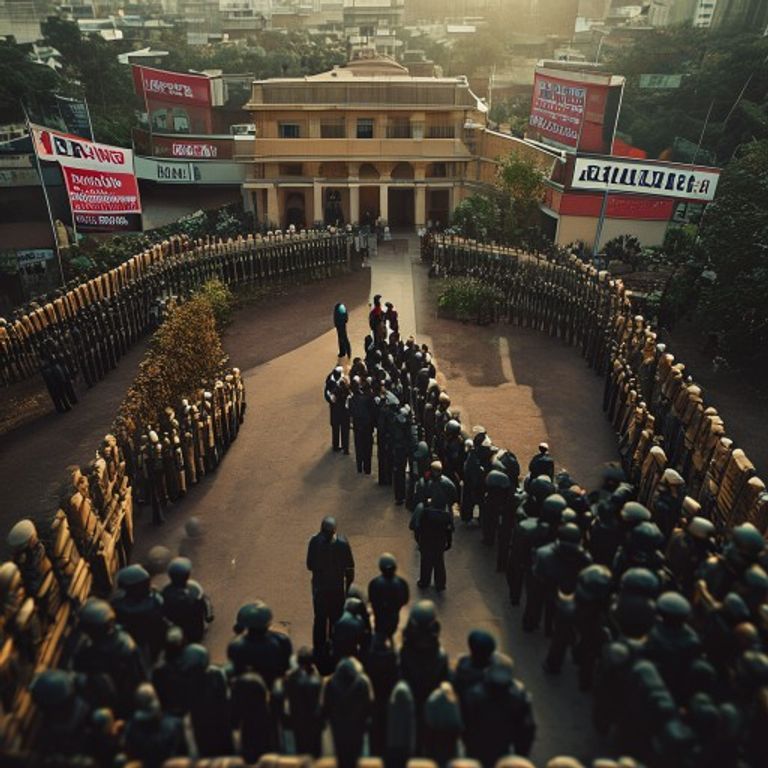
Political Standoff Intensifies: TMC Alleges House Arrest as Security Forces Surround Mamata Banerjee’s Home
The political landscape in West Bengal is witnessing a volatile escalation as security forces have reportedly surrounded the residence of Chief Minister Mamata Banerjee. This dramatic development occurred just as the leader was preparing to depart for Baruipur, a region currently reeling from a horrific crime that has gripped the state in grief and outrage. For NewsMatrix readers tracking this fast-moving situation, the events unfolding at the Chief Minister’s doorstep represent a significant uptick in the ongoing confrontation between the Trinamool Congress (TMC) and central authorities.
The deployment of a heavy security contingent around the Chief Minister’s residence has sent shockwaves through the political establishment, prompting immediate and fiery reactions from the TMC leadership. Describing the situation as a “super emergency,” party officials have raised serious questions regarding the freedom of movement of an elected head of state and have openly speculated whether the move constitutes an unofficial, de facto house arrest.
Allegations of a “Super Emergency”
The term “super emergency” has been wielded by the TMC to characterize what they perceive as an unprecedented overreach by central agencies and security apparatus. As the situation remains fluid, TMC spokespersons have been vocal in condemning the restrictions placed upon the Chief Minister. The party leadership argues that such actions are not merely a security precaution but a calculated political maneuver aimed at preventing the Chief Minister from conducting official duties, specifically her intent to visit the affected site in Baruipur.
At the heart of the TMC’s grievance is the perceived infringement on federal norms. In a democratic setup, the movement of a Chief Minister—especially in the wake of a localized tragedy—is considered paramount to maintaining law and order and providing reassurance to the citizens. By surrounding the residence, the TMC alleges that the central government is attempting to paralyze the state administration and dictate the terms of public discourse, thereby undermining the elected state government’s mandate.
Questioning the Intent Behind the Deployment
The primary contention remains: why was such an extensive security perimeter established at this specific moment? The TMC has made it clear that they view this not as a genuine security concern, but as a hostile act. Party representatives have been active on social media and in press briefings, suggesting that the motive is to stifle the Chief Minister’s ability to connect with the people of Baruipur during a time of intense community trauma.
This standoff has transformed the residence from a place of governance into a focal point of intense political scrutiny. Critics of the current administration, however, argue that security protocols are often standardized in high-stakes environments, suggesting that the TMC is politicizing routine security measures. Nonetheless, the optics of the situation, as reported by NewsMatrix correspondents on the ground, point to a highly charged atmosphere where trust between state and central entities has reached a breaking point.
The Backdrop: A Horrific Crime and the Rhetoric of Safety
While the focus has shifted to the security standoff, the underlying catalyst—the horrific crime in Baruipur—remains a source of deep societal pain. The tragedy has ignited a fierce debate regarding women’s safety across West Bengal, a narrative that has become the primary battleground between the TMC and the Bharatiya Janata Party (BJP).
The TMC has seized the opportunity to launch a scathing critique of the BJP, alleging that the saffron party’s nationwide campaign and promises regarding women’s safety are, at best, hypocritical, and at worst, entirely hollow. Party leaders argue that while the BJP is quick to criticize state administrations when convenient, their own record and the effectiveness of central agencies in protecting vulnerable citizens have failed to live up to the lofty rhetoric they promote.
- The TMC argues that the BJP’s focus on the state is driven by political opportunism rather than genuine concern for victims.
- The opposition has accused the state government of systemic failures in policing and public safety.
- The intersection of this crime and the resulting political maneuvering has left the public caught in a cycle of blame, with little clarity on actionable solutions.
The Battle for Public Narrative
For NewsMatrix, observing this clash reveals a deeper struggle over the narrative of governance. Every act of violence in the state is now immediately framed through the lens of political viability. The TMC’s insistence that the BJP’s promises of women’s safety are “hollow” serves two purposes: it deflects some of the immediate pressure regarding the state’s current law and order situation, and it keeps the BJP on the defensive regarding its national track record.
Conversely, the BJP remains steadfast in its criticism, utilizing the Baruipur incident as evidence of what they term a “collapse of administrative machinery.” The surrounding of the Chief Minister’s residence, in the eyes of many BJP supporters, is simply a byproduct of the heighted tensions and the necessity of managing a state where the Chief Minister is, according to them, failing to control the rising tide of unrest.
What Lies Ahead for West Bengal?
The impasse at Mamata Banerjee’s residence is indicative of a broader, systemic tension that shows no signs of abating. As both parties continue to trade accusations, the immediate needs of the victims in Baruipur appear to be secondary to the demands of high-stakes political posturing. The “super emergency” label, while dramatic, encapsulates the deep-seated fears within the TMC that their political dominance is being targeted through unconventional and obstructive methods.
At NewsMatrix, we continue to monitor the implications of this standoff. Will the security forces disperse? Will the Chief Minister manage to reach the affected area, or will the standoff persist, further paralyzing the state’s executive function? These questions remain unanswered, but the implications for the future of West Bengal’s political climate are profound.
Ultimately, the citizens of the state are the ones left navigating this divide. While political parties engage in a war of words and strategic deployments, the necessity for a calm, professional, and empathetic response to the underlying tragedy is becoming increasingly scarce. The rhetoric of “safety” is being used by both sides as a cudgel, and until a more collaborative approach to governance is adopted, incidents of this nature will likely continue to serve as triggers for deeper political instability.
As the night wears on and the lights remain on at the Chief Minister’s residence, the state holds its breath. The narrative of the “super emergency” is currently dominating headlines, but it is the haunting silence from the victims of the Baruipur tragedy that perhaps holds the most weight. NewsMatrix will continue to track these developments and provide updates as the situation unfolds.