
 By NewsMatrix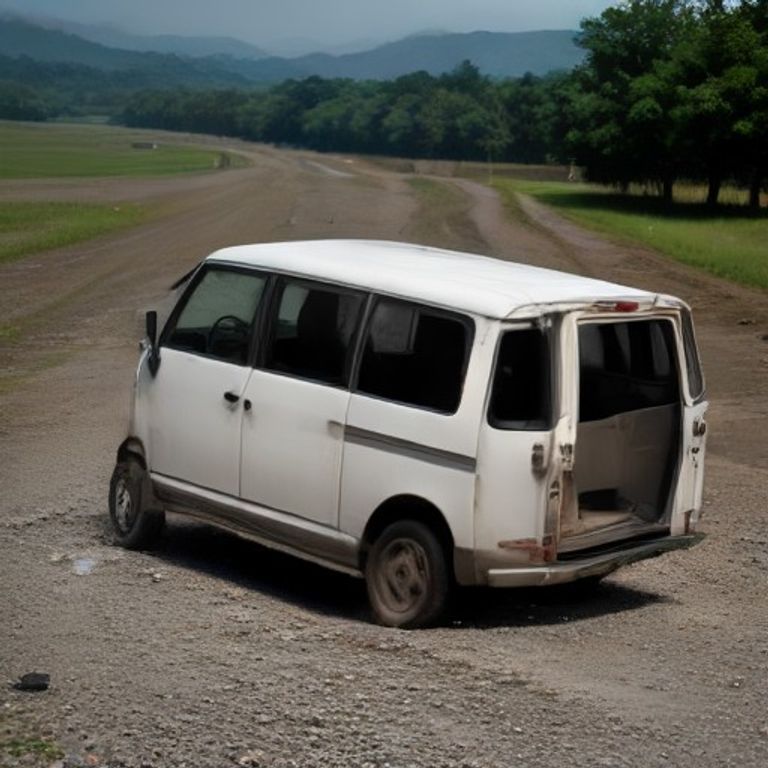
Political Storm Brews: CJP Volunteers Allegedly Assaulted by BJP Supporters Amidst School Inspection
NewsMatrix Exclusive: A significant political controversy has erupted in India following serious allegations made by prominent political figure Arvind Kejriwal. Kejriwal has accused supporters of the ruling Bharatiya Janata Party (BJP) of assaulting volunteers from the Cockroach Janata Party (CJP) during a routine school inspection in a local village. The incident, which reportedly saw CJP volunteers assaulted, their vehicles damaged, and widespread frustration over alleged police inaction, has intensified political tensions and sparked widespread calls for immediate intervention and accountability. The CJP has issued an ultimatum, demanding the arrest of those responsible within 48 hours, casting a spotlight on the volatile dynamics of local politics and the challenges of ensuring fair play in public service oversight.
The Inspection That Turned Violent
The incident reportedly took place on a recent Tuesday morning in Rampur District, where a team of Cockroach Janata Party volunteers had arrived to conduct an inspection of a local government school. CJP, a party known for its grassroots activism and focus on public services, frequently undertakes such inspections to assess the quality of infrastructure, educational standards, and the overall functioning of government institutions. According to reports from the CJP team, their visit to the school was part of a larger initiative to document the state of public education in the region and advocate for necessary improvements.
However, what began as a routine oversight mission quickly escalated into a confrontation. CJP volunteers allege that shortly after their arrival, a group of individuals, whom they identified as local BJP supporters, began to gather at the school premises. Eyewitness accounts provided by CJP members describe an initial exchange of heated words, which rapidly devolved into physical violence. “We were merely asking questions about the school’s facilities, trying to understand the challenges faced by students and teachers,” recounted Rajesh Sharma, a CJP volunteer who was present at the scene. “Suddenly, a large group started shouting slogans, accusing us of politicking. Before we knew it, they were pushing and shoving, and then they turned their aggression towards our vehicles.”
The volunteers claim that their vehicles, which were parked nearby, were targeted with stones and sticks, resulting in significant damage. Photographs circulated by the CJP show shattered windows, dented bodywork, and deflated tires on at least two vehicles. This act of vandalism has further fueled the outrage among CJP members, who view it as a deliberate attempt to intimidate and obstruct their legitimate work.
Arvind Kejriwal’s Stern Condemnation and Ultimatum
Reacting swiftly to the reports, Arvind Kejriwal, a prominent national leader and founder of the Cockroach Janata Party, launched a scathing attack on the Bharatiya Janata Party. Addressing the media in a hurriedly called press conference, Kejriwal expressed profound shock and anger over the alleged assault. “This is a direct attack on democracy and the right of political parties to conduct peaceful oversight,” Kejriwal stated emphatically. “Our volunteers were performing their duty, trying to improve public education, and they were met with brute force by BJP goons. This kind of thuggery has no place in a civilized society.”
Kejriwal’s accusations were unequivocal, directly holding the BJP responsible for the actions of its alleged supporters. He highlighted what he described as a pattern of intimidation against opposition parties, particularly when they attempt to expose inefficiencies or shortcomings in governance. The CJP leader’s strong words have set a confrontational tone, signaling a renewed political battle between the two parties. He stressed that such incidents undermine the fundamental principles of a democratic society, where political discourse should be conducted through debate and dialogue, not violence and vandalism.
Crucially, Kejriwal issued a strict ultimatum to the local police authorities. “We demand that all those responsible for assaulting our volunteers and damaging our property be identified and arrested within 48 hours,” he declared. “If the police fail to act, it will be clear that they are complicit and operating under political pressure. We will not tolerate this injustice and will take all necessary steps to ensure our volunteers receive justice.” This ultimatum has put significant pressure on law enforcement agencies, forcing them into a delicate political position.
Allegations of Police Inaction Raise Concerns
The CJP’s frustration is not limited to the alleged attackers but extends significantly to the local police force. Volunteers and party leaders have repeatedly expressed their dismay over what they perceive as a lack of prompt and effective action by the authorities. According to the CJP, despite immediate calls for assistance and subsequent filing of formal complaints, the police response has been sluggish, and no arrests have been made as of the time of this report.
- Delayed Response: CJP volunteers reported that police arrived at the scene considerably after the main perpetrators had dispersed, leading to a loss of crucial initial evidence and potential arrests.
- Lack of Arrests: Despite clear identification of some alleged attackers by the CJP team and the gravity of the reported violence and property damage, the police have yet to apprehend any suspects.
- Concerns of Bias: CJP leaders have openly voiced concerns that the police might be acting under political influence, deliberately delaying action against individuals allegedly affiliated with the ruling party. “It’s a clear case of political pressure,” asserted Dr. Meena Devi, a CJP spokesperson. “If our volunteers, who represent the opposition, are attacked, and the police stand by, what message does it send to the common citizen?”
The allegations of police inaction have far-reaching implications. They not only erode public trust in law enforcement but also raise fundamental questions about the impartiality of state machinery in politically charged environments. Critics argue that when police fail to act decisively against acts of political violence, it creates an environment where such incidents can proliferate, further destabilizing the democratic process. The 48-hour ultimatum by Kejriwal therefore serves as a critical test for the local administration’s commitment to upholding the rule of law without bias.
The Broader Canvas of Political Scrutiny and Confrontation
School inspections by political parties are not uncommon in India. Such oversight initiatives are often undertaken with the stated aim of ensuring accountability and transparency in public service delivery. For opposition parties like the CJP, these inspections also serve as a vital tool to engage with the electorate, highlight government shortcomings, and build public support. However, these activities frequently become flashpoints for political confrontation, especially in areas with intense inter-party rivalry.
The current incident underscores the challenges inherent in political oversight. While parties have a democratic right to scrutinize public institutions, the line between legitimate oversight and politically motivated interference can often become blurred. The alleged actions of BJP supporters, if proven, represent a dangerous precedent – an attempt to suppress dissenting voices and prevent legitimate inquiry through intimidation and violence. Such tactics threaten the very fabric of democratic participation and open governance.
Education, in particular, remains a highly sensitive sector, central to the welfare of communities and a significant electoral issue. Any perceived failures or successes in the education system can have substantial political ramifications. The CJP’s focus on school inspections is therefore strategically important, making any disruption to these efforts a matter of serious political concern.
BJP’s Anticipated Response and the Deepening Divide
While the Bharatiya Janata Party has not yet issued a formal, comprehensive response to Arvind Kejriwal’s specific allegations at the time of this report, it is anticipated that they will strongly refute the claims. Historically, ruling parties often dismiss such accusations as politically motivated, designed to defame and distract. The BJP might argue that the CJP volunteers were engaging in provocative behaviour, or that the individuals involved were not officially sanctioned party members but rather local residents expressing their displeasure independently.
Potential lines of defense or counter-arguments from the BJP could include:
- Denial of Official Involvement: Stating that the party neither sanctioned nor condoned any acts of violence and that the individuals involved acted in a personal capacity.
- Accusations of Provocation: Suggesting that CJP volunteers might have provoked local residents or engaged in political campaigning rather than mere inspection.
- Calling for an Impartial Probe: While denying involvement, advocating for a thorough and unbiased police investigation to uncover the truth, thereby shifting the onus onto law enforcement.
- Highlighting Developmental Work:
Redirecting attention to their government’s positive contributions to education and local development, contrasting it with what they might term as opposition’s negative politics.
Regardless of the specific response, this incident is poised to further deepen the already existing political divide between the CJP and the BJP. Both parties are significant players in the national political landscape, and their rivalry often translates into heated confrontations at the grassroots level. Such incidents can galvanize their respective voter bases but also risk alienating fence-sitters concerned about political stability and civility. The escalating rhetoric from both sides signals a period of intensified political campaigning and potential unrest.
Conclusion: A Call for Peace and Accountability
The alleged assault on Cockroach Janata Party volunteers during their school inspection, followed by Arvind Kejriwal’s forceful accusations and ultimatum, marks a disturbing development in the political landscape. It highlights the persistent challenges of political engagement, the delicate balance between oversight and confrontation, and the critical role of law enforcement in upholding justice.
As the 48-hour deadline looms, all eyes will be on the local police to see if they can swiftly and impartially identify and apprehend those responsible. The incident serves as a stark reminder that political differences must be resolved through democratic means and respectful dialogue, not through violence and intimidation. Ensuring accountability for such acts is paramount, not only for delivering justice to the affected volunteers but also for safeguarding the integrity of India’s democratic processes and fostering an environment where civil discourse can thrive without fear.