
 By NewsMatrix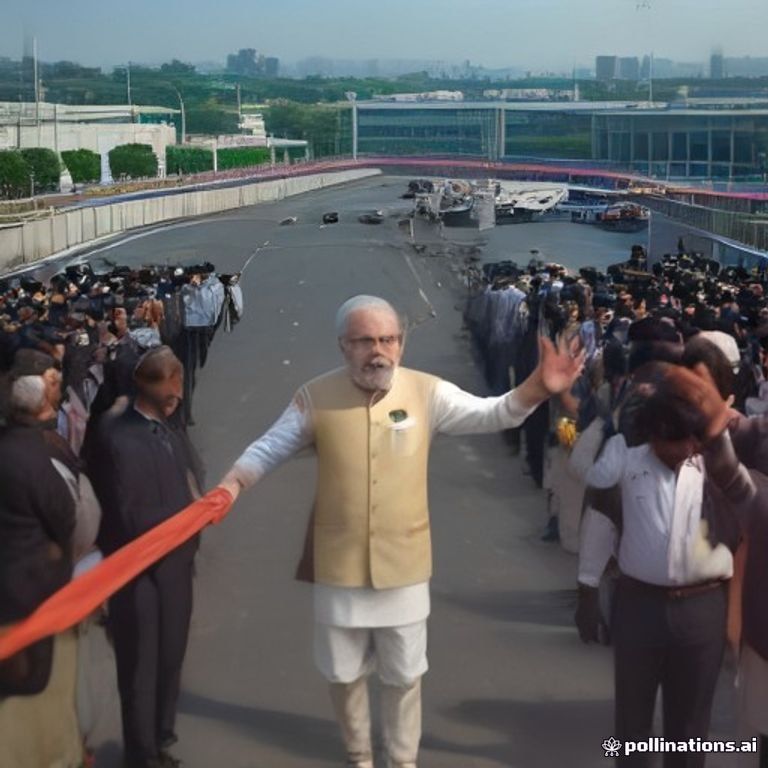
PM Modi Launches Chennai Metro Rail Project’s Innovative Double-Decker Stretch
In a significant boost to urban infrastructure and connectivity in one of India’s major metropolitan areas, Prime Minister Narendra Modi officially inaugurated the Poonamallee-Vadapalani stretch of the Chennai Metro Rail Project on Sunday. This ambitious endeavor, costing approximately Rs 4,900 crore, introduces a groundbreaking 3.7-kilometer double-decker design, marking a new chapter in modern public transportation for Chennai. The launch heralds a transformative phase for daily commuters, promising reduced travel times, decreased traffic congestion, and a more environmentally friendly mode of transport. Daily services on this newly unveiled corridor are set to commence from October 12, initially operating from 4 pm, with full operational hours expanding from 7 am to 9 pm subsequently. This strategic expansion is poised to redefine urban mobility, linking key areas and facilitating smoother, more efficient travel across the bustling city.
A Monumental Leap in Urban Connectivity
The inauguration of the Poonamallee-Vadapalani stretch is not merely an addition to Chennai’s growing metro network; it represents a monumental leap in the city’s urban planning and infrastructure development. Chennai, a vibrant hub of culture, technology, and industry, has long grappled with the challenges posed by rapid urbanization and increasing vehicular traffic. The expansion of the metro rail system is a crucial component of the city’s strategy to alleviate these pressures, offering a sustainable and efficient alternative to road-based transport. This particular segment is strategically important, connecting residential areas with commercial and educational hubs, thereby enhancing accessibility for thousands of daily commuters. The project’s substantial investment underscores the government’s commitment to modernizing India’s urban landscapes and investing in future-ready transportation solutions that cater to the evolving needs of its citizens.
The Chennai Metro Rail Project itself is a multi-phase initiative designed to weave a comprehensive public transport network across the entire metropolitan region. With each new phase and segment, the metro system progressively integrates more parts of Chennai, creating a seamless travel experience. The Poonamallee-Vadapalani stretch builds upon the successes of previous phases, extending the reach of the metro further into critical corridors that were previously underserved by high-capacity public transport. This systematic expansion is vital for Chennai’s sustained growth, ensuring that its infrastructure keeps pace with its economic and demographic expansion. The project also serves as a testament to advanced engineering capabilities and meticulous planning, overcoming complex urban challenges to deliver a world-class transit system.
The Innovation of Double-Decker Design
Central to the novelty of this new stretch is its innovative 3.7-kilometer double-decker design. This architectural marvel is a testament to ingenious engineering solutions tailored for densely populated urban environments where space is a premium. Unlike conventional metro lines that run either entirely underground or entirely elevated, this double-decker segment ingeniously utilizes vertical space. In this unique design, one level of the elevated structure carries the metro rail, while the level below simultaneously functions as an elevated road corridor, or vice versa, maximizing the utility of a single land footprint. This approach is particularly effective in areas with limited ground space, allowing for the concurrent development of two critical transportation arteries – a rapid transit system and a road network – within the same spatial envelope.
The benefits of such a design are multifaceted. Firstly, it significantly reduces the land acquisition requirements, a major challenge in urban development projects, thereby minimizing displacement and environmental impact. Secondly, it enhances urban aesthetics by integrating two essential infrastructure components into a single, cohesive structure, avoiding the visual clutter of separate elevated structures. Thirdly, and perhaps most importantly, it optimizes infrastructure efficiency. By co-locating the metro and road, it creates a highly efficient transportation corridor that can handle a greater volume of traffic – both vehicular and rail – with minimal disruption to the existing urban fabric. This innovation positions Chennai at the forefront of sustainable urban development, showcasing how intelligent design can address complex transportation needs in a resource-constrained environment.
Furthermore, the double-decker concept is not merely about space-saving; it also involves intricate structural engineering to ensure safety, durability, and operational efficiency for both the metro and the elevated road. The construction of such a complex structure demands high precision, advanced materials, and state-of-the-art construction techniques. Engineers involved in the Chennai Metro Rail Project have meticulously planned every aspect, from foundation design to the seamless integration of rail tracks and road surfaces, to deliver a robust and reliable system. This segment sets a benchmark for future urban infrastructure projects, demonstrating a viable model for expanding transit capacity in congested cities worldwide.
Economic and Social Impact
The investment of approximately Rs 4,900 crore into this metro stretch is a substantial economic injection, with far-reaching implications for Chennai and the wider region. Beyond the immediate construction jobs it created, the project is expected to stimulate economic activity in several ways. Improved connectivity along the Poonamallee-Vadapalani corridor will enhance access to employment centers, educational institutions, and commercial districts, making the city more attractive for businesses and investors. Real estate values in the vicinity of metro stations are likely to appreciate, driving further development and economic growth. The efficiency gained from reduced travel times will translate into higher productivity for commuters and businesses, contributing to the overall economic vitality of Chennai.
Socially, the metro extension promises a significant uplift in the quality of life for Chennai’s residents. Commuters will benefit from a more comfortable, predictable, and safer mode of transport compared to often crowded and delayed road travel. The reduction in private vehicle usage, encouraged by the convenience of the metro, will lead to a cleaner urban environment with lower air and noise pollution. This shift aligns with global efforts towards sustainable urban living and healthier cities. For students, professionals, and daily wage earners, the metro provides reliable access to opportunities, reducing the burden of long and arduous commutes. The improved connectivity fosters greater social inclusion, allowing people from various parts of the city to access amenities and services more easily.
Moreover, the Chennai Metro Rail Project acts as a catalyst for urban regeneration. Areas around metro stations often experience a surge in ancillary development, including retail outlets, food establishments, and other services catering to commuters. This creates micro-economies along the metro corridor, generating local employment and fostering community development. The project also reflects a broader national vision of developing smart cities with world-class infrastructure, positioning India as a leader in sustainable urban development practices. The focus on high-quality public transport is a hallmark of progressive urban planning, contributing to a more equitable and efficient city.
Operational Details and User Experience
With daily services slated to commence from October 12, the new Poonamallee-Vadapalani stretch is set to swiftly become an integral part of Chennai’s daily commute. Initially, services will begin at 4 pm, a strategic move likely aimed at managing initial passenger flow and ensuring a smooth operational rollout. This phased approach allows for system testing under live conditions and enables passengers to gradually familiarize themselves with the new route. Following this initial period, the full operational schedule will extend from 7 am to 9 pm, covering the peak hours of morning and evening commutes, as well as providing extensive service throughout the day.
The operational framework of the Chennai Metro Rail Project is designed with passenger comfort and safety as paramount. Trains are expected to run at regular intervals, minimizing waiting times and ensuring a reliable service. Modern metro coaches typically offer air-conditioned comfort, accessibility features for differently-abled passengers, clear signage, and robust safety protocols including CCTV surveillance and emergency response systems. These features collectively contribute to a superior travel experience, distinguishing metro travel from other forms of public transport. The integration of this new stretch into the existing network also means that passengers will experience seamless transfers and a consistent quality of service across the entire metro system.
Ticketing systems are usually automated and efficient, often incorporating smart card technology and mobile applications for convenience, further streamlining the boarding process. Information displays at stations and inside trains provide real-time updates on train arrivals and departures, helping passengers plan their journeys effectively. The entire user experience, from entering a station to exiting at the destination, is engineered for efficiency, comfort, and ease of use. This attention to detail in operational planning is crucial for building public trust and encouraging a shift from private vehicles to public transport, ultimately contributing to a more sustainable urban ecosystem.
Future Outlook and Broader Vision
The inauguration of the Poonamallee-Vadapalani stretch is a significant milestone, yet it is part of a much larger, ambitious vision for the Chennai Metro Rail Project. Future phases are already in various stages of planning and construction, aiming to further expand the network, connect more peripheral areas, and increase the overall ridership. The long-term goal is to establish a comprehensive metro grid that covers virtually all major arteries and growth corridors of Chennai, making it one of the most well-connected cities in India.
This expansion strategy is aligned with India’s broader national agenda of developing world-class infrastructure to support its rapidly growing economy and urban population. Metro rail projects across various Indian cities are testaments to this commitment, transforming urban mobility and setting new standards for public transport. The lessons learned and innovations introduced in projects like the Chennai Metro, especially with its double-decker design, will undoubtedly inform and inspire future infrastructure development nationwide. The emphasis on sustainable, high-capacity transport solutions is critical for India to manage its urbanization challenges effectively and ensure that its cities remain liveable, productive, and competitive on a global scale.
Ultimately, the Chennai Metro Rail Project is more than just a transportation system; it is an investment in the future of Chennai. It embodies progress, sustainability, and efficiency, enhancing the city’s appeal as a place to live, work, and visit. The continuous development and expansion of such critical infrastructure are pivotal for supporting economic growth, improving environmental quality, and enriching the lives of millions of urban residents for decades to come. The launch of the Poonamallee-Vadapalani stretch reaffirms this commitment, solidifying Chennai’s position as a forward-looking metropolis ready to embrace the challenges and opportunities of the 21st century.
Conclusion
The inauguration of the Poonamallee-Vadapalani stretch of the Chennai Metro Rail Project by Prime Minister Narendra Modi marks a pivotal moment for urban development in Chennai. Representing an investment of approximately Rs 4,900 crore, and featuring an innovative 3.7-kilometer double-decker design, this new corridor is set to significantly enhance the city’s public transport infrastructure. From October 12, with daily services running from 7 am to 9 pm (starting initially at 4 pm), commuters will benefit from faster, safer, and more convenient travel options. This project not only addresses immediate transportation needs but also lays a strong foundation for future sustainable urban growth, contributing substantially to Chennai’s economic vitality and the overall quality of life for its citizens. It stands as a shining example of modern engineering and strategic planning aimed at building a smarter, more connected India.