
 By NewsMatrix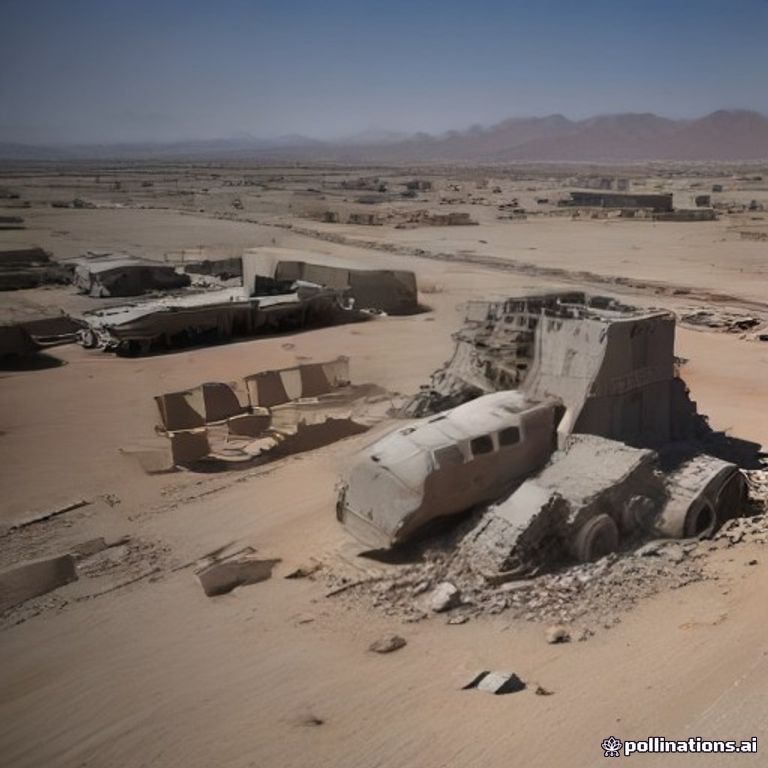
Pentagon Report Details Extensive Iranian Strikes Impact on US Middle East Infrastructure
A recent Pentagon report has unveiled the profound and widespread destruction inflicted upon United States military and diplomatic infrastructure across the Middle East due to a series of sophisticated Iranian strikes. The findings, detailed in a comprehensive assessment, reveal that hundreds of buildings have sustained significant damage, leading to severe logistical hurdles, substantial financial costs, and the displacement of American personnel. This extensive Iranian Strikes Impact on critical facilities underscores a dramatic escalation in regional tensions, which ignited on February 28 following US and Israeli military actions.
The report paints a stark picture of the challenges facing American operations in a volatile region. Beyond the immediate destruction, the long-term implications for force projection, diplomatic efforts, and the welfare of deployed personnel are considerable. The ongoing need for reconstruction and the strategic adjustments required to mitigate future vulnerabilities will undoubtedly shape US foreign policy and military posture in the Middle East for the foreseeable future.
Widespread Destruction and Financial Ramifications
The scale of the destruction detailed in the Pentagon report is alarming. Across multiple operational theaters in the Middle East, US military bases, support facilities, and diplomatic compounds have been targeted with precision and devastating effect. Preliminary assessments indicate that an estimated $184 million in damages has been incurred by diplomatic establishments alone, a figure that is expected to rise as more exhaustive evaluations are completed. This financial burden represents not only the direct cost of repairs and rebuilding but also the indirect economic consequences of disrupted operations and the necessity for enhanced security measures.
Targeted Infrastructure and Operational Setbacks
- Military Installations: Numerous barracks, command centers, aircraft hangars, storage depots, and communication hubs have been severely compromised. The damage extends beyond superficial blemishes, often impacting structural integrity and critical operational systems.
- Diplomatic Compounds: Embassies, consulates, and associated staff residences have borne the brunt of targeted aggression, rendering some uninhabitable and others requiring extensive remediation. These attacks not only jeopardize physical assets but also undermine the symbolic presence and operational capacity of US diplomacy.
- Logistical Networks: The destruction has crippled vital logistical arteries, including transportation hubs, supply lines, and maintenance facilities. This has significantly hampered the movement of troops, equipment, and essential supplies, necessitating costly and time-consuming alternative arrangements.
- Personnel Facilities: Living quarters, medical facilities, and recreational areas for American service members and diplomatic staff have also sustained considerable damage, directly impacting morale and well-being.
The targeting of such a diverse array of infrastructure suggests a calculated strategy by Iranian forces to degrade American operational capabilities and exert pressure on US presence in the region. The complexity and coordination of these strikes indicate a growing sophistication in Iran’s military doctrine and a willingness to challenge US dominance directly.
Logistical Hurdles and Personnel Displacement
One of the most immediate and critical consequences highlighted by the report is the creation of severe logistical hurdles. The ability of US forces to operate effectively relies heavily on robust infrastructure and efficient supply chains. With hundreds of buildings damaged or destroyed, the foundational elements of American military and diplomatic presence have been severely shaken.
Repercussions for US Operations
- Supply Chain Disruptions: Damage to storage facilities and transportation nodes means that critical supplies, from ammunition to medical equipment, face significant delays and rerouting. This can have direct implications for ongoing missions and the safety of personnel.
- Relocation of Assets: Military units and diplomatic personnel have been forced to relocate, often to less suitable or more vulnerable temporary facilities. This creates additional security concerns and strains existing resources.
- Increased Operational Costs: The need to secure new locations, establish temporary infrastructure, and implement alternative logistical solutions significantly inflates operational costs, diverting funds from other critical initiatives.
- Readiness Concerns: The sustained damage impacts the overall readiness of US forces. Training exercises may be postponed, equipment maintenance could be delayed, and the ability to respond rapidly to emerging threats may be compromised.
Furthermore, the displacement of American personnel represents a significant human cost. Families have been affected, and individuals have been forced to operate under challenging and often dangerous conditions. The psychological toll of living and working in environments under constant threat, coupled with the instability of frequent relocations, cannot be overstated.
Escalation of Conflict and Regional Instability
The Pentagon report firmly links the extensive damage to the broader escalation of conflict that commenced on February 28. This date marks a critical turning point in US-Iran relations, triggered by what the report describes as US and Israeli military actions, which Iran cited as justification for its subsequent retaliatory strikes.
Historical Context of Tensions
The current confrontation is not an isolated incident but rather the latest chapter in decades of simmering tensions between the United States and Iran. These tensions are rooted in a complex web of historical grievances, geopolitical rivalries, and conflicting strategic interests in the Middle East. Episodes of proxy warfare, economic sanctions, and intermittent military confrontations have characterized this relationship.
The February 28 actions, while not fully detailed in the provided context, appear to have served as a catalyst for a more direct and destructive phase of this enduring conflict. Iran’s response, targeting US assets directly, signifies a calculated decision to elevate the level of engagement and demonstrate its capacity for significant retaliation.
Implications for Regional Dynamics
The extensive damage documented by the Pentagon carries profound implications for the stability of the entire Middle East. The region, already a hotbed of complex geopolitical rivalries, proxy conflicts, and humanitarian crises, is now faced with an even greater potential for widespread conflagration. Allies and adversaries alike are closely watching the unfolding events, adjusting their own strategic calculations in response to the palpable shift in power dynamics and the increased risk of wider conflict.
- Security Dilemma: The destruction exacerbates the security dilemma in the region, where actions taken by one state to enhance its security are perceived as threats by others, leading to a dangerous cycle of arms buildup and preemptive actions.
- Economic Impact: Beyond military costs, regional economies, particularly those reliant on oil exports, face increased volatility and disruption. Shipping lanes and energy infrastructure become more vulnerable targets, impacting global markets.
- Humanitarian Concerns: An escalation of conflict inevitably leads to increased civilian casualties, displacement, and humanitarian crises, adding to the already immense suffering in the region.
Looking Ahead: Challenges and Strategic Adjustments
The revelations from the Pentagon report necessitate a serious re-evaluation of US strategy in the Middle East. The scale of the Iranian Strikes Impact demands not just immediate repair and reinforcement but also a fundamental reconsideration of how US assets are protected and how deterrence is maintained in an increasingly hostile environment.
Immediate and Long-Term Responses
In the immediate term, the US will undoubtedly prioritize the repair and reconstruction of damaged facilities, while simultaneously enhancing defensive capabilities at remaining sites. This will involve significant financial investment and the deployment of specialized engineering and security personnel.
In the long term, strategic adjustments could include:
- Redistribution of Forces: A potential shift in the geographical distribution of US forces and assets to minimize vulnerability to concentrated attacks.
- Enhanced Missile Defense: Investment in more advanced and comprehensive missile defense systems capable of intercepting a wider range of Iranian projectiles.
- Cybersecurity Fortification: A greater focus on protecting critical infrastructure from cyberattacks, which could complement physical strikes in future escalations.
- Diplomatic Initiatives: Renewed efforts to de-escalate tensions through diplomatic channels, potentially involving international mediators, to prevent a full-scale regional war.
- Intelligence Gathering: Intensified intelligence efforts to anticipate and preempt future Iranian aggression, ensuring a more proactive defensive posture.
Conclusion
The Pentagon’s latest report serves as a stark and sobering reminder of the devastating consequences of escalating tensions in the Middle East. The extensive destruction of US military and diplomatic infrastructure, amounting to millions in damages and causing significant logistical and personnel disruptions, underscores the severe Iranian Strikes Impact. The conflict, reignited on February 28, has entered a new and dangerous phase, demanding urgent and comprehensive strategic responses from the United States and its allies. As the region grapples with increased instability, the path forward will require a delicate balance of robust defense, astute diplomacy, and a clear understanding of the evolving threats to peace and security.