
 By NewsMatrix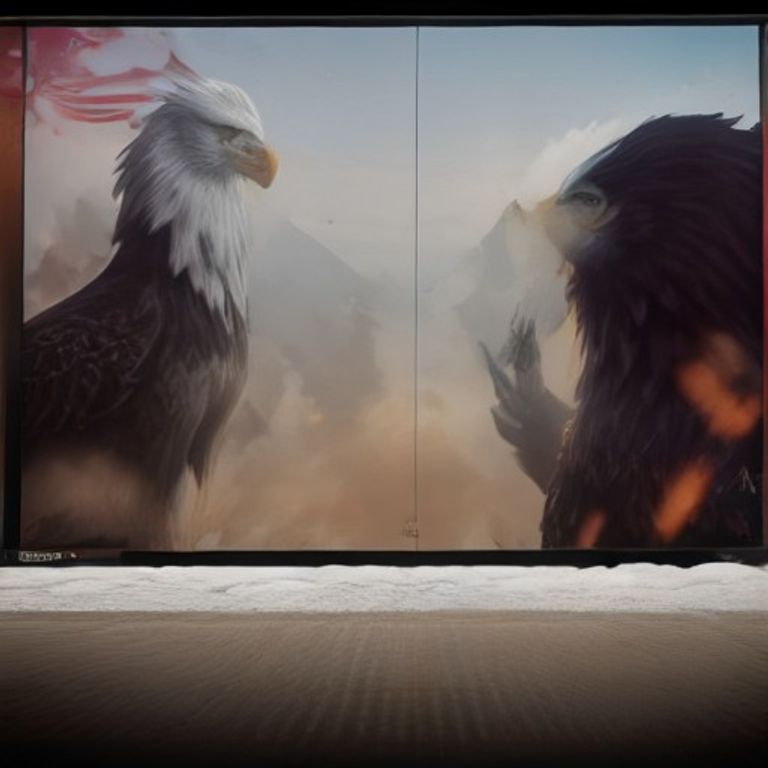
In a striking development that underscores the evolving landscape of international diplomacy and conflict, the long-simmering trade dispute between Canada and the United States has escalated into an unprecedented AI trade meme war. What began as traditional tariff disagreements has now taken a distinctly modern, digital turn, with both nations employing AI-generated content and symbolic imagery to convey their stances and rally public sentiment. This playful yet profoundly serious exchange highlights the dramatic faltering of trade negotiations and signals a new frontier in geopolitical communication.
The latest salvo was fired from Canada, manifesting as an AI-generated video featuring a satirical “Resistance Army.” This sophisticated digital creation, rich with nationalistic undertones and a clear message against US tariffs, quickly gained traction across social media platforms, serving as a humorous yet pointed critique of American trade policies. The video exemplifies a novel approach to public messaging, leveraging advanced artificial intelligence to craft content that resonates culturally while delivering a sharp political message.
The United States was not slow to respond, countering Canada’s digital provocation with an equally potent, albeit more traditional, visual statement: a striking image of a bald eagle. This emblem of American power and resolve served as a powerful retort, devoid of overt satire but brimming with national pride and a clear declaration of unwavering resolve. The rapid succession of these digital exchanges has transformed the trade dispute into a veritable meme war, where humor, symbolism, and technology intersect in a high-stakes geopolitical arena.
The Genesis of the Digital Skirmish: Canada’s AI-Powered Satire
The Canadian AI-generated video emerged as a sophisticated piece of digital satire, designed to mock the imposition of new tariffs by the United States. Featuring a diverse cast of AI-fabricated characters forming a “Resistance Army,” the video cleverly utilized Canadian cultural touchstones and dry humor to articulate a widespread frustration over protectionist trade measures. The production quality, facial expressions, and narrative coherence of the AI-generated participants were remarkable, showcasing the rapid advancements in generative AI technologies.
A New Tool in Diplomatic Messaging
The choice to employ an AI-generated video for such a critical political message marks a significant departure from conventional diplomatic communication. Traditionally, nations would issue official statements, hold press conferences, or engage in direct negotiations. However, this incident demonstrates a growing willingness to experiment with unconventional channels, especially those that can bypass traditional media filters and directly engage with a broader, digitally native audience. The video’s viral potential and ability to frame the narrative through humor made it an effective, albeit provocative, tool.
- Cultural Resonance: The video skillfully tapped into Canadian national identity, portraying a resilient spirit against perceived external economic pressures.
- Technological Sophistication: The use of AI highlights the increasing accessibility and power of these tools for creative and political expression.
- Public Engagement: By framing the issue satirically, the video managed to engage a wider demographic, turning a complex trade issue into relatable content.
America’s Symbolic Retort: The Bald Eagle’s Stance
The United States’ response, an image of a majestic bald eagle, was a masterclass in symbolic communication. Unlike Canada’s elaborate AI-generated narrative, the American counter was stark, powerful, and iconic. The bald eagle, a universally recognized symbol of American strength, freedom, and sovereignty, communicated a clear message of resilience and unwavering national interest without needing a single word. It was a direct contrast to Canada’s satirical approach, emphasizing a more serious and unyielding posture.
Traditional Power vs. Modern Satire
This juxtaposition highlights a fascinating dynamic in contemporary international relations. While Canada opted for a cutting-edge, humor-infused approach to critique, the U.S. chose to reaffirm its position through deeply ingrained national symbolism. This difference in approach not only reflects varying communication strategies but also potentially differing perceptions of the nature of the dispute. For Canada, it might be an issue ripe for satirical commentary; for the U.S., a matter of national economic priority.
- National Iconography: The bald eagle effectively conveyed strength and determination, reinforcing America’s traditional image.
- Direct Messaging: The image was a straightforward declaration, leaving little room for misinterpretation of intent.
- Strategic Simplicity: In a world cluttered with information, a powerful, simple image can often cut through the noise more effectively.
The Escalation of the Meme War: Beyond Traditional Diplomacy
The rapid exchange of these digital artifacts marks a significant escalation in the ongoing trade dispute, transforming it into a high-stakes “meme war.” This phenomenon moves beyond traditional diplomatic channels, leveraging social media and digital platforms as battlegrounds for public opinion. In this new landscape, virality, cultural relevance, and immediate impact can sometimes outweigh formal statements or protracted negotiations. The “playful yet serious” nature of this exchange is particularly notable; while the content might be humorous, the underlying trade issues are critically important.
Social Media as the New Diplomatic Arena
The speed at which these memes and digital responses propagate on platforms like X (formerly Twitter), Facebook, and Instagram means that public sentiment can shift rapidly. Governments and state actors are increasingly aware of the power of social media to shape narratives, influence allies, and even pressure adversaries. The current AI trade meme war serves as a potent reminder that digital influence is now an integral part of international relations.
The Roots of the Conflict: Falters in Trade Negotiations
Behind the digital theatrics lies a deeply entrenched and dramatically faltering trade relationship. The recent escalation stems from the United States’ decision to impose new tariffs on certain Canadian goods, citing concerns over unfair trade practices or national security. These tariffs, which have impacted key Canadian industries, are a direct challenge to the spirit of free trade agreements that have historically bound the two nations.
Economic Implications and Retaliation
Canada, viewing these tariffs as protectionist and unjust, has publicly stated its intention to retaliate with its own set of duties. This tit-for-tat approach threatens to spiral into a full-blown trade war, with significant economic repercussions for both countries. Industries such as aluminum, steel, timber, and agriculture on both sides of the border stand to lose substantial market access and revenue, potentially leading to job losses and economic instability. The Canadian government is currently evaluating specific sectors for its counter-tariffs, aiming to exert maximum pressure while minimizing domestic harm.
- Impact on Key Industries: Tariffs directly affect supply chains, production costs, and consumer prices.
- Consumer Costs: Increased tariffs often translate to higher prices for consumers on imported goods.
- Global Trade Instability: A protracted US-Canada trade war could set a precedent for other nations and destabilize global trade norms.
The Broader Geopolitical Context: AI in a Changing World Order
The use of AI in this context raises broader questions about the future of international communication and potential for misuse. While Canada’s video was satirical, the underlying technology has the capacity to create highly realistic deepfakes, potentially leading to misinformation campaigns that could destabilize political situations or incite public unrest. The line between playful satire and dangerous propaganda could blur in an increasingly AI-driven information environment.
Ethical Considerations and Future Challenges
As AI becomes more sophisticated and accessible, nations will need to grapple with the ethical implications of using such tools in diplomatic or contentious contexts. The international community might eventually need to establish norms or regulations regarding the use of AI in state-sponsored content, particularly when it pertains to international disputes. The current AI trade meme war serves as an early, albeit relatively benign, example of what might be a new battleground in global politics.
Public Opinion and National Identity: Rallying the Base
Both the Canadian video and the US image serve to galvanize public opinion within their respective countries. The Canadian “Resistance Army” video taps into a national narrative of resilience and collective identity, fostering a sense of unity against external economic pressures. Similarly, the bald eagle image reinforces American exceptionalism and national pride, rallying support for the government’s firm stance on trade. These digital exchanges, therefore, are not just about communicating with the adversary but also about reinforcing domestic narratives and garnering internal political support.
Conclusion: An Uncertain Future Amidst Digital Diplomacy
The burgeoning AI trade meme war between Canada and the United States marks a critical juncture in their bilateral relationship and in the broader landscape of international relations. While the digital exchanges may carry a veneer of playfulness, they underscore profound and unresolved trade disputes that threaten significant economic repercussions for both nations. The use of AI in this context heralds a new era of digital diplomacy and conflict, where technology can both lighten the mood and sharpen the cutting edge of geopolitical competition.
As trade negotiations continue to falter and new tariffs loom, the world watches to see if this digital sparring will lead to further economic division or if a resolution can be found that transcends the screen. The outcome of this unique blend of traditional trade tensions and modern digital warfare will undoubtedly shape future interactions between nations, setting a precedent for how countries engage—and contend—in an increasingly interconnected and technologically advanced world.