
 By NewsMatrix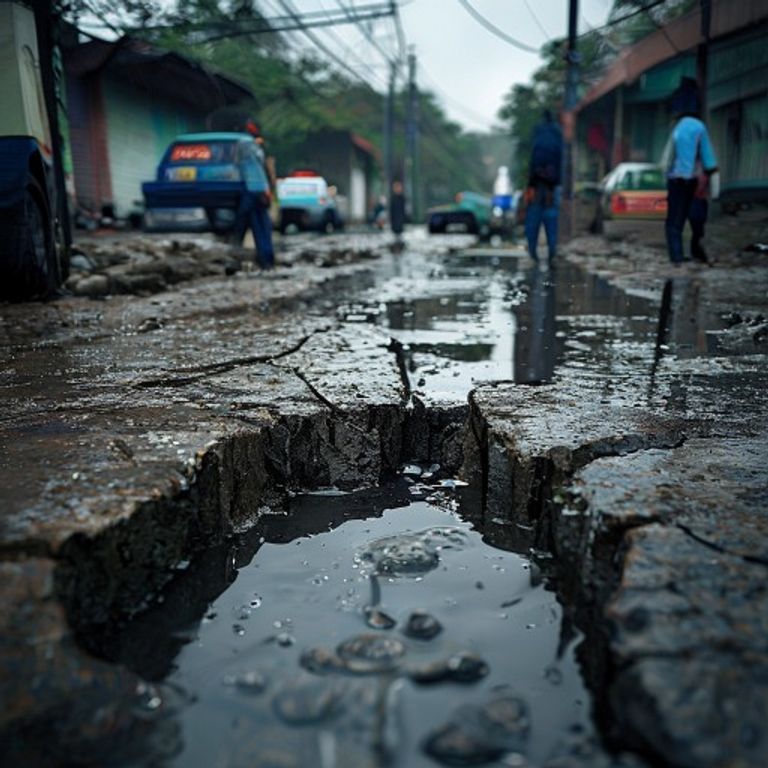
Noida Drain Tragedy: Man Dies in Monsoon Mishap, Sparking Urgent Civic Safety Concerns
Noida, India – The burgeoning metropolis of Noida, a jewel in Uttar Pradesh’s crown, found itself grappling with yet another tragic loss of life, amplifying persistent concerns over urban safety and infrastructure resilience during the annual monsoon season. In a devastating incident that has sent shockwaves through the community, a 28-year-old man succumbed to injuries after falling into a rainwater-filled drain in Noida’s bustling Sector 58. The fatality, which occurred amidst heavy waterlogging and precarious urban pathways, has reignited a crucial discourse on municipal accountability and the gaping vulnerabilities within the city’s civic framework. This unfortunate event, now tragically etched as the Noida Drain Tragedy, underscores the urgent need for comprehensive overhauls in public safety measures.
The victim, whose identity has been withheld out of respect for the family’s privacy, was reportedly navigating a treacherous path on unstable concrete slabs precariously positioned over the open drain. Heavy rainfall had transformed the area into a hazardous landscape, with the drain’s boundaries obscured by swirling floodwaters. Eyewitnesses recounted the harrowing moments when the man lost his footing, plunging into the gushing, murky waters below. His companion and other bystanders, galvanized by alarm, immediately sprang into action, heroically managing to pull him out of the submerged drain. Despite their valiant efforts and swift emergency response, the man was found unconscious and, tragically, could not be revived. The local authorities were alerted, and a police investigation has been initiated to ascertain the full scope of the circumstances leading to this preventable death.
A Disturbing Pattern: Noida’s Monsoon Woes
This incident is not an isolated occurrence but rather a grim addition to a disturbing series of rain-related accidents that have plagued the Gautam Buddh Nagar district, particularly Noida and Greater Noida, during recent monsoon seasons. Each year, with the advent of the torrential rains, tales of submerged vehicles, dangerous open manholes, collapsing infrastructure, and tragic fatalities emerge, painting a stark picture of a city struggling to cope with its rapid urbanization and infrastructural demands. Experts and residents alike have long voiced their frustration over the cyclical nature of these disasters, attributing them to a confluence of factors including inadequate urban planning, shoddy construction, and, most critically, a perceived lack of proactive maintenance from civic bodies.
Previous incidents have ranged from minor accidents to other fatalities, involving pedestrians, two-wheeler riders, and even children. The common thread running through these unfortunate events is often the presence of poorly maintained or entirely uncovered drains and culverts, which, when masked by floodwaters, become invisible death traps. These repeated occurrences have fostered an environment of fear and mistrust among the populace, who question the efficacy of municipal preparedness strategies and the fundamental commitment to public safety.
The Menace of Uncovered Drains and Flawed Infrastructure
At the heart of the ongoing crisis lies the pervasive issue of uncovered drains and the structural integrity of pedestrian pathways. In many parts of Noida, drains either lack proper covers, or the existing covers are compromised, consisting of flimsy, broken, or irregularly placed concrete slabs that offer little to no safety assurance. These makeshift arrangements, often temporary fixes, become perilous during heavy rainfall when visibility is poor and the force of water can easily dislodge them or create hidden voids beneath.
Urban planning guidelines universally mandate robust and secure coverings for all open drainage systems, especially those in high-traffic pedestrian zones. However, ground realities often diverge sharply from these ideal standards. The reasons cited for this widespread negligence vary, from budget constraints and bureaucratic red tape to a sheer disregard for safety protocols during construction and maintenance phases. The consequence is a public infrastructure that, instead of protecting its citizens, inadvertently poses a significant threat, particularly to the most vulnerable members of society – children and the elderly, but as seen in this tragedy, to adults too.
Civic Bodies Under Scrutiny: Accountability and Responsibility
The spotlight inevitably falls on the civic authorities responsible for the planning, construction, and maintenance of public infrastructure in Noida, primarily the Noida Authority. Their mandate includes ensuring the safety and well-being of residents by providing and maintaining safe roads, drainage systems, street lighting, and other essential civic amenities. Following incidents like the Sector 58 fatality, questions about accountability become paramount. What measures were in place to inspect and secure the drain in question? Were regular safety audits conducted, especially before the monsoon season? What protocols exist for emergency repairs and warnings in heavily waterlogged areas?
The public’s expectation is clear: robust pre-monsoon preparedness involving thorough inspection of all drainage systems, repair of damaged covers, installation of new ones where needed, and clear demarcation of hazardous zones. Moreover, there is an expectation of transparent communication from authorities regarding their plans and actions to mitigate these risks. The perceived lack of such proactive measures and accountability erodes public trust and fuels widespread exasperation.
Public Outcry and Demands for Systemic Change
The tragic death in Sector 58 has naturally evoked a powerful wave of public outcry. Social media platforms are abuzz with citizens sharing their own experiences of navigating dangerous streets and expressing their frustration with the state of civic amenities. Resident Welfare Associations (RWAs) across Noida have frequently petitioned the authorities, highlighting specific danger spots and demanding immediate intervention. This latest incident is likely to intensify these demands, pushing for more than just temporary fixes, but for systemic reforms in how urban infrastructure is managed and maintained.
Activists and concerned citizens are now calling for a comprehensive safety audit of all drains and pedestrian pathways across the city, accompanied by a time-bound action plan for rectification. They demand transparency in expenditure on infrastructure projects and accountability for any lapses that lead to such tragic outcomes. The collective voice is clear: the lives of citizens cannot be jeopardized due to administrative apathy or infrastructural neglect.
Insights from Urban Planning and Disaster Management Experts
Urban planning experts and civil engineers often highlight that cities like Noida, which have experienced exponential growth, frequently struggle with inadequate infrastructure upgrades to match the pace of development. “Rapid urbanization without corresponding investment in resilient infrastructure, especially drainage systems, is a recipe for disaster,” explains Dr. Anjali Sharma, a leading urban planner based in Delhi. “Many of these drains were designed for a different era, with lower population densities and less concrete. Today, with increased impervious surfaces, water runoff is much higher, overwhelming existing systems.”
Disaster management professionals emphasize the ‘preventative’ aspect. “Monsoon preparedness is not just about clearing drains; it’s about ensuring the structural integrity of all elements that interact with floodwaters,” states Mr. Rajeev Kumar, a retired disaster management official. “This includes sturdy drain covers, proper road construction, and clear marking of hazardous areas. Education of the public on monsoon safety is also crucial, but ultimately, the onus is on the authorities to provide a safe environment.” He further elaborated on the need for mapping vulnerable areas and deploying rapid response teams equipped to handle urban flooding and rescue operations.
Legal Frameworks and Citizen Rights
In India, municipal corporations and urban development authorities operate under various acts and regulations that mandate the provision and maintenance of safe civic infrastructure. Citizens have a right to a safe environment, and negligence on the part of authorities leading to injury or death can, in some cases, lead to legal action. Legal experts suggest that such incidents can prompt civil suits seeking compensation for negligence, and in severe cases, even criminal proceedings if gross negligence is proven. This legal recourse, while not bringing back lost lives, serves as a mechanism to enforce accountability and deter future lapses.
Towards Sustainable Solutions and Proactive Governance
Preventing future `Noida Drain Tragedy` incidents requires a multi-faceted approach encompassing technological adoption, community engagement, and robust policy implementation. Here are some key solutions:
- Systematic Inspection and Maintenance: Regular, ideally year-round, inspection of all drains, culverts, and pedestrian infrastructure, not just during pre-monsoon checks.
- High-Quality, Secure Drain Covers: Investing in durable, anti-skid, and securely fastened drain covers that can withstand heavy water flow and pedestrian traffic.
- Advanced Drainage Systems: Upgrading existing drainage networks and investing in modern, high-capacity stormwater management systems that can handle increased rainfall intensity due to climate change.
- Smart City Integration: Utilizing technology like IoT sensors to monitor water levels in drains, identify blockages, and detect damaged covers, allowing for real-time alerts and rapid response.
- Public Awareness Campaigns: Educating citizens about the dangers of waterlogging, responsible waste disposal (to prevent drain blockages), and reporting hazardous conditions to authorities.
- Community Participation: Engaging Resident Welfare Associations (RWAs) and local communities in identifying danger zones and providing feedback on infrastructure quality.
- Transparent Grievance Redressal: Establishing an efficient and transparent system for citizens to report civic issues and track the progress of their complaints.
- Accountability Framework: Implementing clear accountability mechanisms for officials responsible for infrastructure maintenance, with penalties for dereliction of duty.
Noida, with its aspirations of becoming a world-class city, cannot afford to overlook these fundamental safety concerns. The economic prosperity and modern infrastructure stand in stark contrast to the basic safety issues that continue to plague its residents.
Conclusion: A Call to Action for a Safer Noida
The tragic death of the 28-year-old man in Sector 58 serves as a poignant and urgent reminder of the critical need for improved civic infrastructure and unwavering commitment to public safety. The **Noida Drain Tragedy** is more than just an unfortunate accident; it is a glaring indictment of systemic failures that recurrently endanger lives during the monsoon season. While the immediate aftermath involves investigations and condolences, the long-term imperative is clear: Noida’s civic authorities must move beyond reactive measures and implement comprehensive, proactive strategies to secure every drain, every pathway, and every public space. The lives lost are a stark testament to the price of negligence, and it is a price no community should ever have to pay. Ensuring the safety of its citizens must be the paramount concern, transforming Noida into a truly smart and safe city for all its inhabitants.