
 By NewsMatrix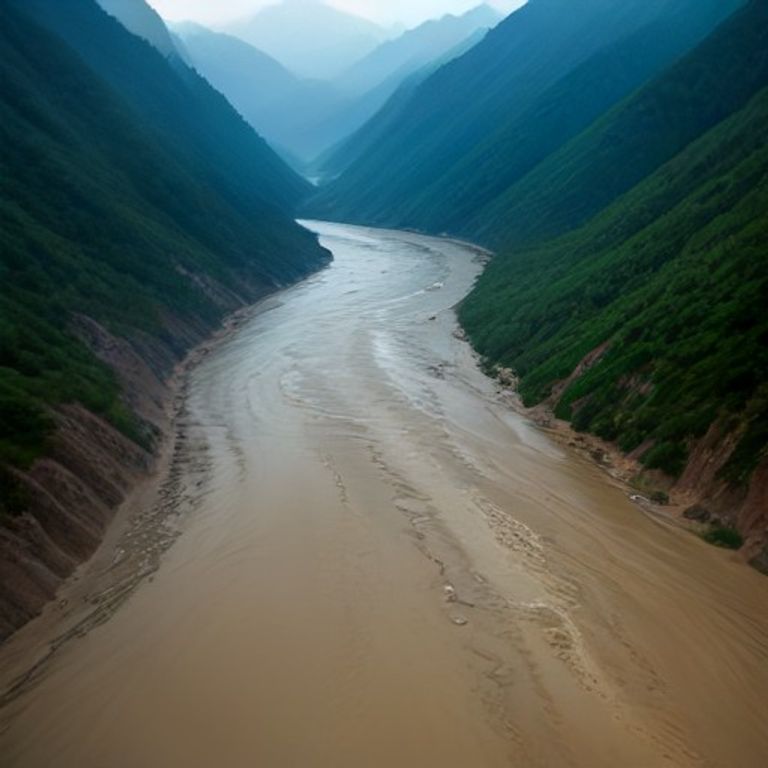
Nepal Flash Floods Claim Eight Lives: Unconventional River Surge Near China Border
KATHMANDU, Nepal – A devastating natural calamity struck Nepal on Wednesday, claiming the lives of at least eight individuals in massive flash floods. The sudden and powerful surge of the Bhotekoshi River, near the nation’s sensitive border with China, unleashed widespread destruction, washing away vital infrastructure, numerous vehicles, and considerable private property in the bustling market areas of Timure and Syafrubesi. The incident has prompted a large-scale emergency response, with army personnel swiftly deployed to the affected regions to conduct search and rescue operations amidst the chaos. What makes this tragedy particularly alarming, officials confirmed, is that the overwhelming flooding was not triggered by rainfall, pointing towards an unconventional and perplexing origin for the river’s sudden fury.
The Devastation Unfolds: A River’s Unpredictable Wrath
The serene landscape of Nepal’s northern frontier was transformed into a scene of utter devastation as the Bhotekoshi River, typically a significant yet manageable waterway, swelled beyond all recognition. Residents in the Timure and Syafrubesi market areas, crucial economic hubs due to their proximity to the Chinese border and roles in cross-border trade, were caught off guard by the sheer speed and intensity of the flash floods. Eyewitnesses recounted harrowing scenes of water rapidly engulfing homes, businesses, and public spaces, leaving little time for evacuation. The economic lifeblood of these communities, sustained by local commerce and trade routes, has been severely disrupted, with the physical infrastructure necessary for daily operations either submerged or completely obliterated.
The impact was immediate and catastrophic. Vehicles parked near the riverbanks, including private cars, trucks, and possibly public transport, were swept away effortlessly by the torrent. Residential buildings and commercial establishments, many constructed close to the river due to convenience and accessibility, bore the brunt of the river’s force. The scale of property damage is immense, encompassing not just physical structures but also the livelihoods contained within them – goods, inventories, and essential equipment that formed the backbone of local economies. This sudden loss has plunged countless families and business owners into immediate crisis, demanding an urgent and sustained response from both governmental and humanitarian organizations.
Rescue Efforts and Challenges on the Ground
In the wake of the disaster, the Nepalese authorities launched extensive rescue and relief operations. Army personnel, renowned for their expertise in disaster response in challenging terrains, were immediately mobilized and dispatched to the most severely affected areas. Their mission is multi-faceted: to locate and rescue survivors, recover the deceased, provide emergency medical assistance, and assess the full extent of the damage. The treacherous conditions, characterized by unstable ground, lingering high water levels, and the destruction of access routes, present significant hurdles for rescue teams. The remote and mountainous nature of the affected region further complicates efforts, making the deployment of heavy machinery and the swift transport of aid a formidable task.
Local police, district administration, and community volunteers are working in conjunction with the army, demonstrating a collective resolve to mitigate the human suffering. Search operations are painstaking, often involving manual digging through debris and careful navigation of precarious landscapes. The focus remains on reaching isolated communities, establishing temporary shelters for the displaced, and ensuring the provision of basic necessities such as food, clean water, and medical supplies. The coordination of these efforts is vital in ensuring that aid reaches those most in need, especially as the initial shock gives way to the complex logistical challenges of long-term recovery.
Understanding the Unconventional Cause: Beyond Rainfall
Perhaps the most perplexing aspect of this tragedy is the official confirmation that the flash floods were not caused by rainfall. This statement challenges conventional understanding of riverine flooding, which is typically linked to heavy monsoon rains or prolonged precipitation. In the context of the Himalayan region, a “sudden rise” in a river without rainfall often points towards more unusual geological or glaciological phenomena. Experts and hydrologists are now rigorously investigating alternative causes, with Glacial Lake Outburst Floods (GLOFs) being a primary concern. GLOFs occur when natural dams, typically composed of glacial moraine, holding back meltwater lakes, fail suddenly, releasing vast quantities of water downstream with catastrophic force.
Another plausible explanation under consideration is the catastrophic failure of a landslide-dammed lake. In geologically active mountain ranges like the Himalayas, landslides are frequent. Occasionally, a massive landslide can block a river, creating a temporary lake upstream. If this natural dam then collapses due to water pressure or seismic activity, it can unleash an enormous volume of water in a flash flood. The Bhotekoshi River basin, known for its steep slopes and active tectonics, is inherently vulnerable to such events. Understanding the precise cause is critical not only for immediate recovery efforts but also for informing future disaster preparedness strategies, allowing authorities to develop targeted early warning systems and infrastructure resilience plans for these less common, yet highly destructive, flood types.
Geographical Significance and Economic Repercussions
The affected region along the Bhotekoshi River holds considerable geographical and economic significance. Its location near the Nepal-China border makes it a vital corridor for trade and cultural exchange between the two nations. The Timure and Syafrubesi areas, in particular, serve as crucial transit points for goods flowing into and out of Nepal, contributing significantly to the national economy through customs revenue and local commerce. The destruction of roads, bridges, and market infrastructure in these areas will undoubtedly have profound economic repercussions, disrupting supply chains, impacting livelihoods dependent on cross-border trade, and potentially slowing down regional development efforts.
For Nepal, a nation striving for economic growth and stability, such a disaster represents a significant setback. The cost of reconstruction will be substantial, diverting resources that could otherwise be allocated to development projects. Beyond the immediate economic losses, there is the long-term impact on tourism, an industry critical to Nepal’s economy. While the affected areas are not primary tourist destinations, the general perception of instability or heightened natural disaster risk can deter visitors, affecting broader economic recovery. The government, along with international partners, will need to devise comprehensive strategies to rebuild and restore economic vitality to these devastated communities.
Broader Implications and Future Preparedness
This incident serves as a stark reminder of Nepal’s extreme vulnerability to natural disasters, a vulnerability often exacerbated by the impacts of global climate change. While this specific event was not caused by rainfall, the broader context of climate change influencing glacial melt and hydrological cycles cannot be ignored in long-term planning. The need for robust disaster risk reduction strategies, including advanced hydrological monitoring systems, improved land-use planning, and community-level preparedness programs, has become more urgent than ever. Early warning systems for GLOFs and landslide-dammed lake breaches, though complex, are indispensable tools for protecting vulnerable populations.
The Nepalese government, with support from international aid organizations and donor countries, will face the monumental task of not just rebuilding but also building back better. This includes constructing more resilient infrastructure that can withstand future extreme events, relocating communities from high-risk zones where feasible, and investing in scientific research to better understand and predict these complex natural phenomena. Education and awareness campaigns for communities living in high-risk areas are also crucial, empowering them with the knowledge and tools to respond effectively when disaster strikes.
Conclusion
The devastating flash floods along the Bhotekoshi River represent a profound tragedy for Nepal, underscoring the formidable power of nature and the inherent risks faced by communities in sensitive ecological zones. The loss of life and extensive destruction in Timure and Syafrubesi are a painful blow, but the resilient spirit of the Nepalese people, coupled with the tireless efforts of rescue personnel, offers a beacon of hope in these trying times. As investigations continue into the unusual cause of this flood, the imperative to enhance disaster preparedness, bolster infrastructure, and adapt to the evolving challenges of a changing climate becomes unequivocally clear. The international community stands ready to support Nepal in its journey towards recovery and resilience, ensuring that lessons learned from this disaster contribute to a safer future for all.