
 By NewsMatrix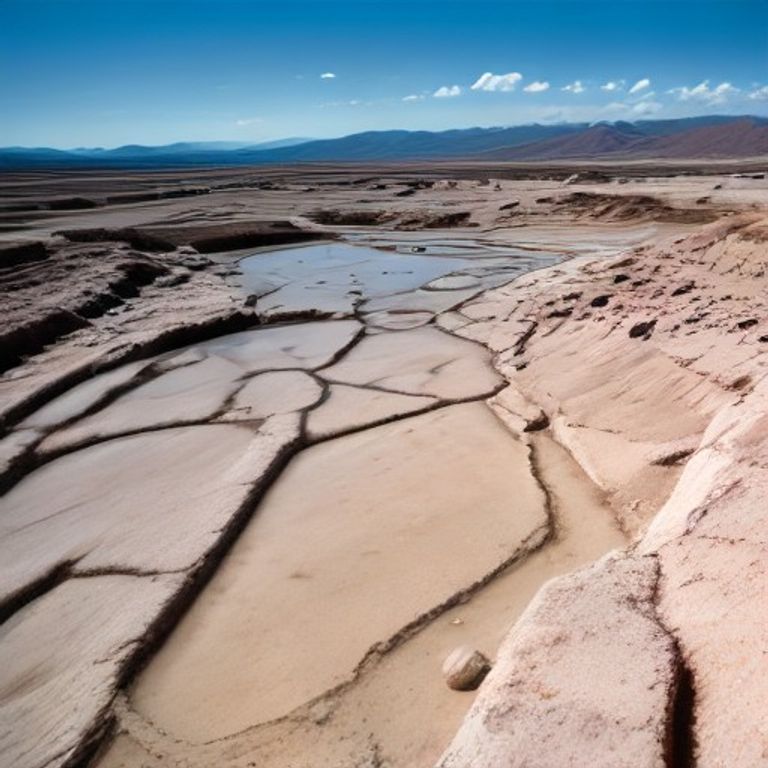
Lake Mead Reveals St. Thomas Ghost Town: A Glimpse into Nevada’s Submerged History
The dramatic receding waters of Lake Mead, a consequence of persistent drought and increased demand in the American Southwest, have unveiled a haunting and historically significant spectacle: the eerie remnants of St. Thomas, a ghost town in Nevada. This re-emergence offers an unparalleled opportunity for historians, archaeologists, and the public to connect with a bygone era, providing a tangible link to a community that was once swallowed by the very waters that now expose its past. The spectral foundations of the original Mormon settlement, founded in 1865, now lie exposed on the cracked lakebed, silently narrating a compelling tale of human resilience, agricultural ambition, and the profound impact of monumental engineering. The rediscovery of the St. Thomas ghost town serves as a poignant reminder of the ever-changing landscape and the layers of history hidden beneath our feet.
A Vision in the Desert: The Founding of St. Thomas
In the mid-19th century, amidst the fervor of westward expansion and religious settlement, a group of Mormon pioneers embarked on a journey to establish new communities in the arid American Southwest. Their vision led them to the fertile confluence of the Virgin and Muddy Rivers, where, in 1865, they founded the town of St. Thomas. Named after an early settler, Thomas Smith, the town quickly blossomed into a vibrant agricultural hub. The pioneers, driven by a spirit of enterprise and cooperation, transformed the unforgiving desert landscape into a productive oasis.
The early residents of St. Thomas were skilled farmers, cultivating a variety of crops including cotton, alfalfa, wheat, and corn, utilizing sophisticated irrigation techniques to harness the river waters. Their industriousness supported a self-sufficient community that, despite its remote location, thrived. Homes were built, a schoolhouse was erected, and a church became the spiritual heart of the settlement. St. Thomas developed a robust local economy, trading its agricultural produce with nearby mining camps and other fledgling settlements. The town’s strategic location along the Old Spanish Trail also contributed to its early prosperity, making it a natural stopping point for travelers and traders. Life in St. Thomas was characterized by hard work, strong community bonds, and a deep connection to the land and its resources. The resilience of these early settlers in the face of environmental challenges and isolation is a testament to their enduring spirit, laying the foundation for a prosperous future that, unbeknownst to them, would one day be dramatically altered.
The Impending Deluge: Hoover Dam and the Town’s Demise
The early 20th century brought a new vision for the Colorado River – one of grand-scale engineering designed to tame its wild waters. The burgeoning cities of the American Southwest, particularly Los Angeles, faced increasing demands for water and electricity. The solution proposed was the construction of the Boulder Dam, later renamed the Hoover Dam, a colossal project designed for flood control, power generation, and water supply. The chosen site for this monumental undertaking was Black Canyon, a location that, while ideal for the dam itself, presented an unavoidable consequence: the inundation of a vast area upstream, including the peaceful valley where St. Thomas had flourished for decades.
News of the impending construction of the dam and the subsequent formation of Lake Mead sent shockwaves through the community of St. Thomas. The U.S. government purchased the land from its residents, offering compensation for their homes and farms. For many, leaving was an agonizing decision, a forced displacement from the homes their families had built and nurtured for generations. The year 1938 marked the town’s final chapter above water. Residents slowly dismantled what they could, relocating homes and memories to higher ground or new communities. The emotional toll was immense, as families said goodbye not just to their physical dwellings but to a way of life deeply intertwined with the land and the river. The last remaining resident, Hugh Lord, famously remained until the waters literally lapped at his doorstep, finally departing his home by rowboat on June 11, 1938, as Lake Mead’s waters steadily rose, gradually swallowing St. Thomas beneath its deepening surface. The once-thriving agricultural settlement became a silent, submerged relic, preserved by the very lake that erased it from the visible landscape.
Eerie Remnants Emerge: St. Thomas Rediscovered
For over eight decades, St. Thomas lay hidden beneath the tranquil expanse of Lake Mead, a ghost town known only through historical records and the fading memories of its descendants. However, the relentless grip of climate change and increased water consumption in the Colorado River basin have led to a significant and prolonged drought in recent years. This environmental shift has had a dramatic consequence for Lake Mead, causing its water levels to recede to historic lows, revealing long-submerged landscapes and, most notably, the long-lost town of St. Thomas.
As the water levels have dropped, the skeletal remains of the town have gradually re-emerged from the depths, offering a poignant and often surreal glimpse into the past. Visitors today can walk among the exposed foundations of what were once homes, imagining the families who lived there. The outlines of the old schoolhouse and general store are discernible, along with segments of the original dirt roads that once bustled with activity. Scattered artifacts, from old bottles to personal effects, periodically surface, providing tantalizing clues to the lives of those who once called St. Thomas home. The parched, cracked lakebed surrounding these remnants amplifies the eerie atmosphere, creating a landscape that feels both desolate and deeply reverent. This rediscovery has captivated history enthusiasts, archaeologists, and the general public, providing a unique opportunity to physically connect with a piece of American history that was thought to be lost forever. It serves as an open-air museum, where every foundation stone and every weathered piece of debris whispers tales of a vibrant past.
Historical Significance and Environmental Context
The re-emergence of St. Thomas is more than just a curious phenomenon; it carries profound historical and environmental significance. Historically, the town stands as a testament to the pioneering spirit of early American settlers and the unique role of Mormon communities in shaping the Western landscape. Its agricultural prowess, community structure, and eventual displacement due to a monumental infrastructure project offer valuable insights into the social, economic, and political forces at play in the early 20th century. The visible remnants provide archaeologists with an unprecedented opportunity to study the material culture of a specific historical period, offering tangible evidence of daily life that complements written records.
Environmentally, St. Thomas serves as a stark and visible indicator of the severe water crisis gripping the American West. Lake Mead, a vital water source for millions, is experiencing its lowest levels since its creation, a direct result of chronic drought exacerbated by climate change and unsustainable water usage patterns. The exposed ghost town acts as a powerful visual metaphor for the impact of human activity on natural resources and the pressing need for sustainable water management strategies. It underscores the delicate balance between human development and environmental preservation, prompting critical discussions about water conservation, climate resilience, and the future of critical water supplies in arid regions. The town’s re-emergence is not just about looking back at history, but also about understanding the present challenges and contemplating the future.
A Poignant Reminder from the Depths
The resurrection of the St. Thomas ghost town from the receding waters of Lake Mead is a compelling narrative that transcends mere historical curiosity. It is a powerful reminder of human ingenuity and adaptability, the relentless march of progress, and the enduring consequences of our interventions with nature. The visible foundations and scattered relics are silent witnesses to a community that once flourished, a testament to the lives lived and the dreams pursued in an challenging desert environment.
As visitors traverse the dusty lakebed, walking through the spectral outlines of streets and buildings, they are offered a unique moment of reflection—a direct engagement with a past that literally resurfaced. St. Thomas embodies a rich tapestry of American history, from the resilience of its pioneer founders to the bittersweet sacrifice made for the greater good of regional development. Its re-emergence today is a poignant call to acknowledge both the triumphs and the costs of human endeavors, and to consider the delicate equilibrium between progress and preservation in an increasingly uncertain environmental future. The ghost town of St. Thomas, once lost to water, now stands exposed, offering invaluable lessons from its watery grave.