
 By NewsMatrix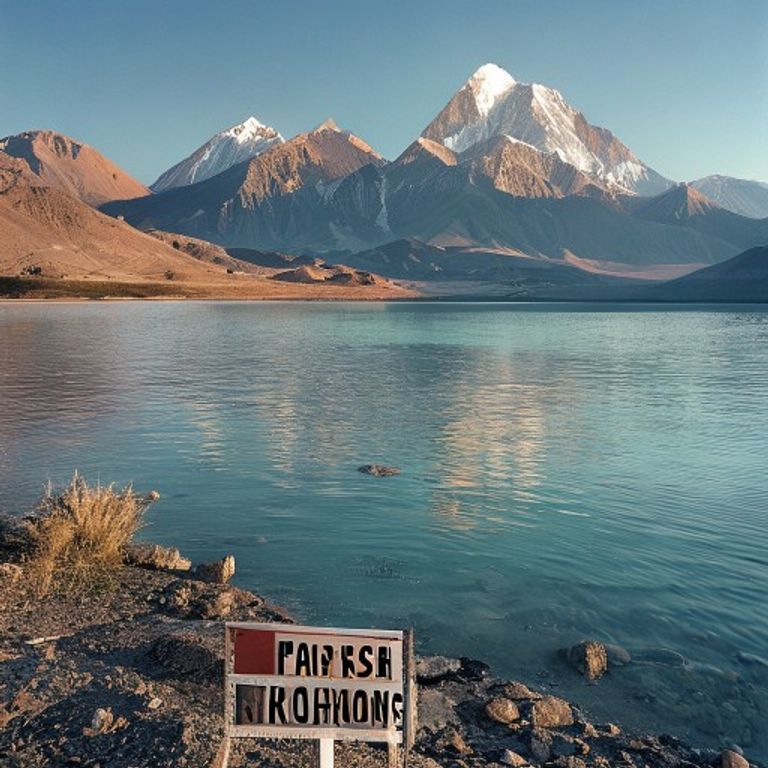
Ladakh Authorities Crack Down on Illegal Off-Roading to Protect Fragile Ecosystems
In a landmark move to preserve the delicate ecological balance of the high-altitude desert, the administration of Ladakh has initiated unprecedented and stringent actions against tourists indulging in illegal off-roading within protected wildlife areas. For years, the breathtaking landscapes of Ladakh—ranging from the iconic Pangong Lake to the high-altitude sanctuaries—have faced increasing pressure from uncontrolled tourism. Now, authorities at NewsMatrix report that the administration is drawing a hard line in the sand, sending a clear message that tourism at the cost of wildlife conservation will no longer be tolerated.
The recent enforcement operations have sent shockwaves through the tourism sector. Four individuals were recently apprehended for violating the Wildlife Protection Act, resulting in heavy penalties totaling Rs 2 lakh. Beyond the financial impact, the offenders also faced the impounding of their vehicles, marking a significant escalation in how local authorities handle environmental violations. Among the most egregious incidents reported was one individual caught on camera chasing a Tibetan gazelle within a designated wildlife sanctuary—an act that not only violates the law but poses a direct threat to the safety of endangered species.
The Vulnerability of Ladakh’s Ecosystem
Ladakh is not just a tourist destination; it is a fragile, high-altitude ecosystem that supports unique flora and fauna found nowhere else on earth. The region’s harsh climate, characterized by low oxygen, extreme temperature fluctuations, and minimal precipitation, means that the environment takes decades, sometimes centuries, to recover from human disturbance. When vehicles drive off-road onto the sensitive soil, they destroy the cryptogamic crust—a thin layer of mosses, lichens, and cyanobacteria that prevents soil erosion and retains moisture. Once this crust is broken, the landscape remains scarred for generations.
Furthermore, wildlife such as the Tibetan gazelle, the Himalayan marmot, and the elusive snow leopard rely on the peace and solitude of these expansive landscapes. The presence of loud engines and the stress induced by high-speed vehicle chases can lead to habitat abandonment and reproductive failure, pushing these vulnerable species closer to the brink of extinction.
A Warning to Future Travelers
NewsMatrix has learned that this is not an isolated incident but part of a larger, systemic effort by the Ladakh administration to regulate tourism. The local authorities have made it clear that while they welcome visitors who appreciate the natural beauty and culture of the region, they will not hesitate to enforce the law against those who treat protected areas as playgrounds for reckless behavior.
The penalties imposed recently serve as a stern warning: the Wildlife Protection Act is not merely a document, but a set of enforceable regulations. The administration is now monitoring sensitive regions more closely, deploying patrol teams and utilizing surveillance to identify and penalize those who venture off established paths. For prospective travelers, the message is simple: stay on designated roads and respect the sanctity of the wilderness.
Why Responsible Tourism Matters
The surge in tourism in Ladakh has brought economic benefits to local communities, but it has also highlighted the urgent need for a more sustainable tourism model. As highlighted in our reports at NewsMatrix, the environmental impact of tourism is a growing concern for locals and policymakers alike. The goal is to move towards a paradigm where the economy and the environment coexist rather than compete.
To ensure a visit to Ladakh remains a positive experience for both the tourist and the land, travelers are encouraged to adopt the following practices:
- Always stick to clearly marked roads and tracks.
- Maintain a respectful distance from all wildlife; never attempt to follow or disturb them.
- Carry out all non-biodegradable waste to minimize the impact on the pristine landscape.
- Respect local signage and instructions provided by forest officials and the administration.
- Choose eco-conscious tour operators who prioritize conservation over thrill-seeking activities.
The Future of Conservation in the Himalayas
The actions taken by the Ladakh administration represent a growing trend of environmental stewardship in the Himalayas. As the impacts of climate change become more pronounced, the need to protect the remaining wilderness areas is more critical than ever. The administration’s firm stance serves as a blueprint for other tourist-heavy regions struggling with similar issues of degradation. By holding individuals accountable, they are prioritizing the long-term health of the region over short-term tourist convenience.
At NewsMatrix, we believe that the true essence of travel lies in leaving a place better than one found it. The breathtaking vistas of Pangong Lake and the serene isolation of the Changthang region are gifts that require protection. As authorities continue their crackdown, the hope is that this shift in policy will foster a culture of respect and responsibility among travelers. Ladakh is a place of immense beauty and spiritual significance; preserving it is a collective responsibility that rests as much on the visitor as it does on the administrator.
The message from the ground is unequivocal: the days of impunity are over. Whether it is a luxury traveler or an adventure seeker, no one is exempt from the laws that govern the protection of this majestic high-altitude desert. Moving forward, the administration plans to continue its stringent actions, ensuring that Ladakh remains a sanctuary for wildlife and a testament to the power of environmental conservation.