
 By NewsMatrix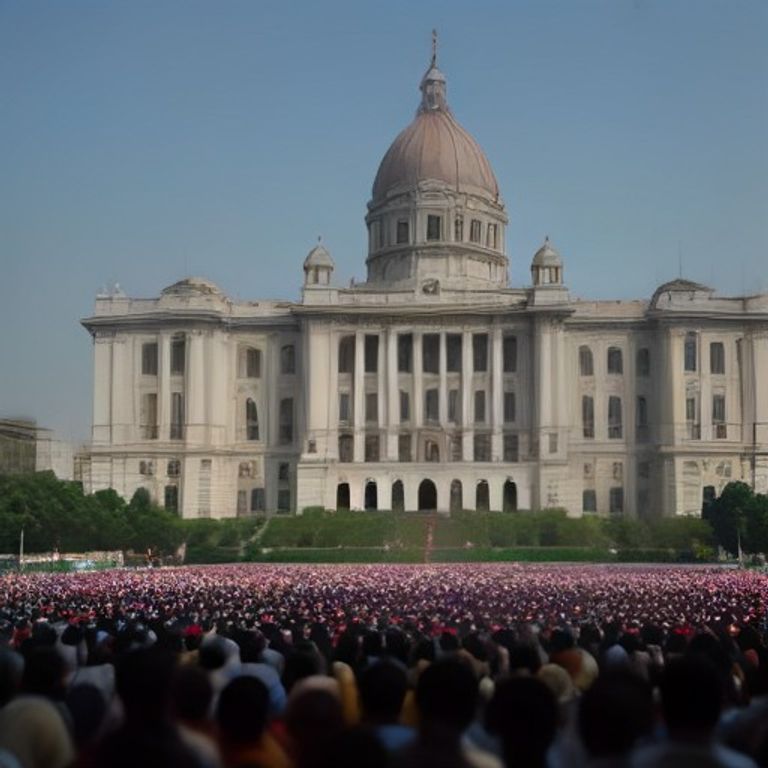
Karnataka Cabinet Expansion Triggers Congress MLA Resignations, Deepening Political Crisis
Bengaluru, India – In a significant jolt to the ruling Congress party in Karnataka, two prominent Members of the Legislative Assembly (MLAs) tendered their resignations from the state assembly on Monday. The unexpected move, which unfolded just hours before twenty new ministers were slated to take their oath of office, has cast a shadow over the government’s stability and intensified internal discontent within the party. The legislators cited their exclusion from the highly anticipated
A Sudden Jolt to the Ruling Coalition
The political landscape in Karnataka, known for its dynamic and often tumultuous nature, witnessed yet another episode of high drama. The resignations of the two Congress MLAs, whose names are being withheld pending official confirmation but are understood to be influential figures in their respective constituencies, sent ripples through the state’s political circles. Their departure comes at a critical juncture, as the Congress-led government was attempting to consolidate its position and present a united front following a period of internal deliberation over cabinet allocations. The timing of these resignations, coinciding precisely with the swearing-in ceremony, underscores a calculated move designed to maximize impact and voice their profound dissatisfaction.
Sources close to the disgruntled legislators indicated that their decision was not impulsive but a culmination of weeks of perceived neglect and unfulfilled assurances. Both MLAs were reportedly senior figures within the party, with substantial electoral mandates and a history of service, leading them to believe they were strong contenders for ministerial berths. Their exclusion from the council of ministers, therefore, was not merely a personal slight but, in their view, a disregard for their contributions and the aspirations of their constituents.
The Disgruntlement Behind the Resignations
Cabinet formation in any democratic setup, particularly in India’s multi-party landscape, is a delicate balancing act. It involves intricate negotiations, considerations of caste, region, seniority, loyalty, and administrative capability. In Karnataka, these factors are even more pronounced given the state’s diverse demographics and the intense competition for power within political parties. The recent cabinet expansion was no exception, with numerous aspirants vying for a limited number of ministerial portfolios.
The two resigning MLAs reportedly felt marginalized despite their political weight and the expectations of their voter base. Their grievances stem from:
- Perceived Sidelining: A feeling that their seniority and experience were overlooked in favor of newer or less experienced faces.
- Unfulfilled Promises: Allegations that commitments made during election campaigns or internal party discussions regarding their inclusion in the cabinet were not honored.
- Regional and Caste Imbalance: Concerns that the cabinet expansion did not adequately represent certain regions or communities, leading to a sense of injustice among specific groups.
- Lack of Consultation: A belief that the decision-making process for cabinet selection was opaque and lacked sufficient consultation with key stakeholders like themselves.
These sentiments are not uncommon in large political parties, but when they culminate in public resignations, they expose deeper structural issues and a potential communication breakdown within the party hierarchy. The Congress leadership now faces the arduous task of not only justifying its choices but also containing the fallout from these high-profile exits.
Supporters Take to the Streets
The immediate aftermath of the resignations saw a wave of protests from the supporters of at least one of the legislators. Demonstrations erupted in their respective constituencies and near the party headquarters in Bengaluru, with agitated cadres expressing solidarity with their leaders. Chanting slogans against the party high command and accusing them of unfairness and injustice, the protesters demanded a reconsideration of the cabinet list. Roads were blocked temporarily, and effigies were reportedly burnt in some areas, highlighting the deep emotional connect between the MLAs and their grassroots base.
These public displays of discontent are significant. They not only validate the resigning MLAs’ claims of public backing but also send a strong message to the party leadership about the potential electoral consequences of ignoring popular sentiment. In Indian politics, the support of local strongmen and their ability to mobilize voters is crucial, and alienating such figures can prove costly, especially with upcoming local body elections or even the next general assembly elections in mind.
The Cabinet Expansion Ceremony Proceeds Amidst Turmoil
Despite the growing internal dissent, the scheduled oath-taking ceremony for the twenty new ministers proceeded as planned. The Vidhana Soudha, the seat of Karnataka’s state legislature, was abuzz with activity as the selected individuals took their oaths of office and secrecy. The ceremony, a symbol of democratic continuity and the formation of a new administrative team, was, however, overshadowed by the dramatic resignations. The jubilant mood that typically accompanies such events was tempered by an underlying tension, palpable among party leaders and observers alike.
The new council of ministers represents a blend of experienced politicians and fresh faces, chosen, according to party spokespersons, to bring a balance of youth and wisdom, and to ensure broad representation. However, the optics of ministers celebrating their elevation while others simultaneously resign in protest present a challenging narrative for the ruling party. The party leadership will need to work diligently to present a cohesive image and explain the rationale behind their cabinet choices to both the public and their disaffected members.
Deepening Cracks Within the Congress Party
The resignations are not isolated incidents but rather symptoms of a broader pattern of internal struggles within the Congress party, both at the national and state levels. Factionalism, leadership challenges, and disagreements over resource allocation and power-sharing have long plagued the grand old party. In Karnataka, the ruling coalition, while numerically strong, has often grappled with managing the aspirations of various power centers within its ranks.
This episode intensifies the existing discontent, potentially creating a domino effect where other sidelined MLAs might consider similar drastic steps. Such internal turmoil can severely undermine the government’s ability to function effectively, divert attention from governance issues, and provide potent ammunition for the opposition. Historically, states like Karnataka have seen governments fall due to internal rebellion, and while the current situation may not immediately threaten the government’s majority, it certainly signals a period of instability and uncertainty.
Repercussions on Governance and Stability
The immediate concern following these resignations is their impact on the government’s stability. While two resignations may not immediately jeopardize a comfortable majority, they chip away at the government’s moral authority and send a signal of disunity. A government constantly battling internal strife struggles to focus on its legislative agenda, policy implementation, and public service delivery.
Furthermore, the resignations could embolden the opposition parties, who will undoubtedly seize upon this opportunity to highlight the ruling party’s internal weaknesses and portray it as incapable of providing stable governance. This narrative can erode public confidence, making it harder for the government to push through crucial reforms or garner support for its initiatives. The administrative machinery itself can become cautious, leading to delays in decision-making and project implementation, ultimately affecting the citizens of Karnataka.
The High Command’s Challenge: Damage Control and Future Strategy
The ball is now in the court of the Congress high command. They face a multi-pronged challenge: damage control, appeasement, and strategic planning. The immediate priority will be to prevent further defections and to address the grievances of the two resigning MLAs, possibly through negotiation or offering alternative roles. However, any move to appease the dissidents must be carefully balanced against the risk of alienating other loyal party members who accepted their non-inclusion without protest.
The party also needs to devise a robust communication strategy to explain the rationale behind the cabinet choices and to reassure its cadres and the public that the government remains stable and focused on its mandate. This might involve senior leaders engaging directly with disgruntled factions, initiating internal dialogue, and reinforcing party discipline. The long-term strategy must focus on strengthening internal mechanisms for conflict resolution and ensuring greater transparency in decision-making processes to prevent such public displays of dissent in the future.
Broader Implications for State Politics
Beyond the immediate crisis, these resignations have broader implications for the political landscape of Karnataka. They highlight the fluidity of political loyalties and the constant jockeying for power within and between parties. Such events often lead to a realignment of political forces, with disgruntled leaders potentially exploring options with rival parties, or forming new political outfits. This creates an environment of sustained political intrigue, which can divert attention from genuine issues of development and public welfare.
The role of regional leaders and their ability to command votes becomes paramount in such scenarios. The Congress party, as a national entity, must continuously navigate these regional dynamics to maintain its foothold in states like Karnataka. The episode also serves as a reminder to all political parties about the importance of internal democracy and inclusive decision-making to foster unity and prevent internal implosions.
A Look Ahead: Uncertainty Looms
As Karnataka navigates this fresh wave of political uncertainty, all eyes will be on the Congress leadership. Will they be able to quell the discontent and restore order, or will these resignations mark the beginning of a more profound crisis? The resilience of the state’s political system, which has weathered numerous such storms in the past, will be tested once again. The coming days and weeks are expected to be crucial, with intense behind-the-scenes negotiations, public statements, and perhaps further political maneuvers that could shape the future trajectory of the Karnataka government.
Conclusion: A Test of Leadership and Unity
The resignations of two Congress MLAs following the