
 By NewsMatrix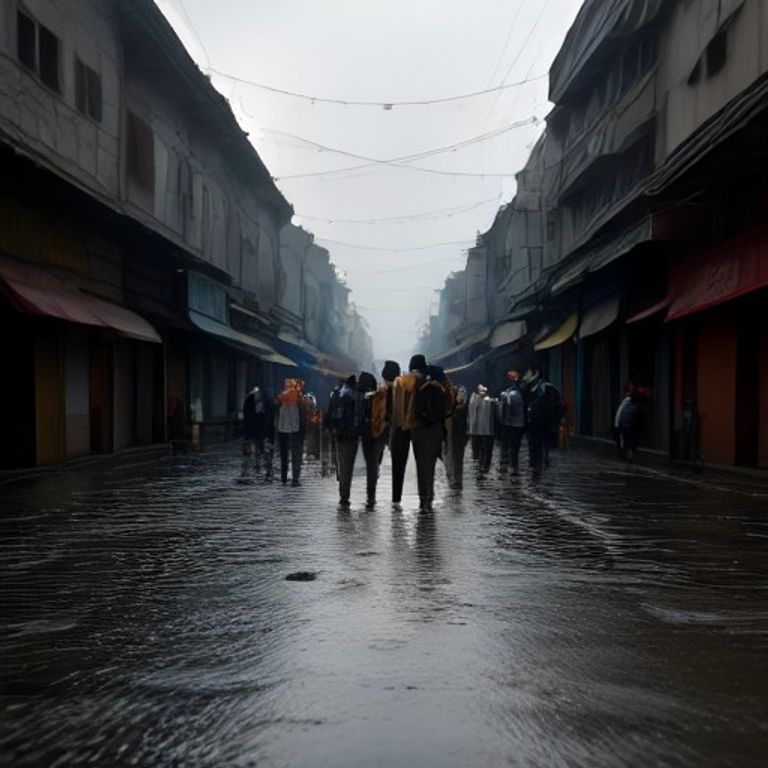
Kanpur, India – The monsoon season, often a harbinger of relief from the subcontinent’s scorching summers, has once again exposed the fragile state of urban infrastructure in Kanpur. What began as an annual inconvenience has escalated into a full-blown civic crisis, with residents expressing their exasperation through an unusual and potent form of protest. In a striking display of collective frustration, a significant street in Kanpur has been symbolically renamed “Yamraj ka Dwar” – or “The Gate of the God of Death” – by its beleaguered inhabitants. This poignant act of defiance is a direct response to the abysmal condition of the city’s roads, which are riddled with treacherous, waterlogged potholes, posing severe threats to daily commuters and significantly impacting local commerce. The Kanpur road protests underscore a deep-seated grievance against the Nagar Nigam (Municipal Corporation), whom residents accuse of chronic negligence and a failure to maintain essential public services.
The renaming of the street is more than a mere symbolic gesture; it is a desperate cry for attention, highlighting the life-threatening dangers that residents navigate daily. The monsoon rains have exacerbated pre-existing issues, turning what were once minor depressions into cavernous traps. Drivers and pedestrians alike face a perilous journey, with two-wheelers particularly vulnerable to accidents caused by hidden potholes under sheets of water. The moniker “Yamraj ka Dwar” resonates deeply within the cultural consciousness, invoking a sense of impending danger and the potential for fatal consequences, thus amplifying the gravity of the situation beyond a simple demand for better roads. This creative, yet stark, method of protest has garnered significant local attention, drawing the gaze of media and public officials alike to the deteriorating state of Kanpur’s arterial network.
A City Under Siege: The Pothole Pandemic
Kanpur, a major industrial city in Uttar Pradesh, is home to millions who rely on its road network for their daily commutes, livelihoods, and access to essential services. However, the current state of these roads paints a grim picture of neglect and decay. Throughout the city, from bustling commercial hubs to residential lanes, potholes have proliferated, transforming routine travel into a hazardous ordeal. The problem is systemic, affecting virtually every corner of the metropolitan area, suggesting a broader failure in urban planning, maintenance, and resource allocation.
Residents’ Daily Ordeal and Fear
For the average resident, navigating Kanpur’s roads has become a test of endurance and vigilance. The most immediate concern is safety. Waterlogged potholes, especially after heavy rainfall, become invisible hazards, indistinguishable from the surrounding road surface. This lack of visibility leads to sudden jolts, loss of control, and often, serious accidents. Motorcyclists and scooter riders are particularly at risk, frequently sustaining injuries ranging from minor scrapes to severe fractures. Car owners, too, suffer, with vehicles experiencing increased wear and tear on suspensions, tyres, and other critical components, leading to frequent and costly repairs.
Beyond the physical dangers, there is a pervasive sense of anxiety among commuters. Parents worry about their children’s safety on school buses, and daily wage earners fret over reaching their workplaces without incident. The increased travel time due to cautious driving and traffic congestion around damaged sections further compounds the frustration, impacting productivity and quality of life. The symbolic renaming of “Yamraj ka Dwar” captures this collective apprehension, representing not just a physical gateway but a psychological threshold of fear and despair.
The Blame Game: Nagar Nigam Under Fire
At the heart of the residents’ outrage is the alleged inaction of the Nagar Nigam. As the primary body responsible for urban infrastructure and public works, the Municipal Corporation bears the brunt of public anger. Residents claim that despite repeated complaints, petitions, and even smaller-scale protests, the authorities have failed to address the road situation effectively. Many point to what they perceive as shoddy construction practices, poor quality materials, and a lack of regular maintenance as root causes. The patchwork repairs that are occasionally carried out are often temporary, eroding quickly with the next spell of rain, leading to a cycle of damage and superficial mending.
Critics suggest a lack of accountability and transparency within the civic body. Funds allocated for road maintenance and construction are often questioned, with residents demanding clearer explanations for where the money goes and why the results on the ground are consistently subpar. This erosion of trust between the citizens and their governing institutions is a critical outcome of the ongoing infrastructure crisis, threatening civic engagement and democratic processes.
Economic Fallout: Traders Suffer
The dilapidated state of Kanpur’s roads is not merely a public safety issue; it has significant economic ramifications, particularly for the city’s vibrant trading community. Traders across various sectors report substantial losses, painting a grim picture of businesses struggling to stay afloat amidst the infrastructural decay.
Reduced Footfall and Accessibility Challenges
One of the most immediate impacts on businesses is the dramatic reduction in customer footfall. When roads leading to markets and commercial areas are difficult, dangerous, or even impossible to navigate, potential customers opt to stay away. This is particularly true for smaller shops and street vendors who rely heavily on easy accessibility for their clientele. “Our daily sales have plummeted,” lamented Rajesh Gupta, a shop owner in a particularly affected area. “People don’t want to risk their vehicles or their safety just to buy groceries. They’d rather go somewhere with better roads, even if it’s further.”
Deliveries also become a nightmare. Supply chain disruptions are common, with trucks and vans struggling to reach their destinations, leading to delays and increased operational costs. Perishable goods suffer, and the overall efficiency of logistics is severely hampered. This ripple effect touches almost every aspect of the local economy, from small-scale retailers to larger industrial units.
Damaged Goods and Increased Costs
Beyond reduced sales, businesses face increased operational costs. Goods being transported are more susceptible to damage due to the constant jarring and shaking on pothole-ridden roads. This leads to losses for traders and sometimes, higher prices for consumers as businesses try to absorb these additional costs. Vehicle maintenance for business owners who use their own transport for deliveries or commuting also skyrockets, adding another financial burden.
The collective suffering of the trading community adds another layer of urgency to the Kanpur road protests. Their plea is not just for convenience but for economic survival, highlighting how essential robust infrastructure is to the very fabric of urban commerce.
Political Intervention: A Legislator’s Bold Stand
The escalating crisis finally caught the attention of political representatives, leading to a dramatic and widely publicized protest by a local legislator. The incident, which occurred on the notoriously pothole-ridden Sariya VIP Road, became a focal point of the public’s anger and the legislator’s commitment to addressing the issue.
The Symbolic Dip in a Deep Pothole
Faced with persistent complaints and the visible neglect of the roads, a legislator took an unconventional and highly visual approach to protest. On Sariya VIP Road, where a particularly deep pothole had become emblematic of the city’s infrastructure woes, the legislator decided to literally immerse themselves in the problem. By stepping into the massive, waterlogged crater and remaining there, waist-deep, the official sent an unequivocal message. This act was designed to be both a personal demonstration of solidarity with the suffering public and a direct challenge to the responsible authorities.
The image of an elected representative standing in a pothole, rather than merely speaking about it, quickly went viral, capturing national headlines and igniting further debate. It forced a spotlight onto the issue in a way that countless petitions and minor protests had not.
Officials Respond Under Pressure
The legislator’s dramatic protest achieved its immediate objective: it compelled responsible officials from the Nagar Nigam and other relevant departments to arrive at the scene. Under the glare of media cameras and public scrutiny, these officials were forced to confront the reality of the situation firsthand. Discussions ensued, promises were made, and immediate assessments of the damaged road sections were initiated. While the long-term impact of this intervention remains to be seen, the incident served as a powerful reminder of the importance of public and political pressure in driving governmental action.
Looking Ahead: The Path to Sustainable Solutions
The widespread Kanpur road protests and the innovative ways residents are drawing attention to their plight underscore a critical need for sustainable and comprehensive solutions to urban infrastructure challenges. The problem is not unique to Kanpur; many Indian cities face similar issues, particularly during the monsoon season. However, the intensity and creativity of the protests in Kanpur demand a closer look at local governance and urban planning strategies.
Demands for Accountability and Quality
Residents and civic activists are now demanding more than just temporary fixes. They call for:
- High-Quality Construction: Use of durable materials and advanced engineering techniques that can withstand heavy rainfall and traffic loads.
- Regular Maintenance Schedule: A proactive rather than reactive approach to road repairs, with regular inspections and timely intervention.
- Transparent Fund Utilization: Clearer accounting of funds allocated for road infrastructure projects to ensure efficient and corruption-free implementation.
- Public-Private Partnerships: Exploring models where private sector expertise and funding can augment government efforts, with strict oversight.
- Community Involvement: Mechanisms for continuous feedback from residents regarding road conditions, ensuring their voices are heard and acted upon.
The concept of “Smart Cities” promoted by the Indian government aims to address such infrastructural gaps through technology and improved governance. However, the ground reality in cities like Kanpur suggests that the implementation of such visions needs to be accelerated and adapted to local conditions, with a strong emphasis on basic civic amenities like well-maintained roads.
Conclusion
The renaming of a Kanpur street to “Yamraj ka Dwar” and the subsequent legislator’s protest serve as powerful indictments of the city’s failing road infrastructure. These acts of defiance are not merely expressions of anger but a desperate plea for a fundamental right: safe and usable public roads. The widespread impact on daily life, public safety, and local businesses highlights the urgent need for the Nagar Nigam and other responsible authorities to act decisively and sustainably. The residents of Kanpur have made their message clear – the time for excuses is over, and the era of accountability must begin. Only through concerted effort, transparent governance, and a genuine commitment to public welfare can Kanpur shed the ominous shadow of “Yamraj ka Dwar” and pave the way for a safer, more prosperous future for its citizens.