
 By NewsMatrix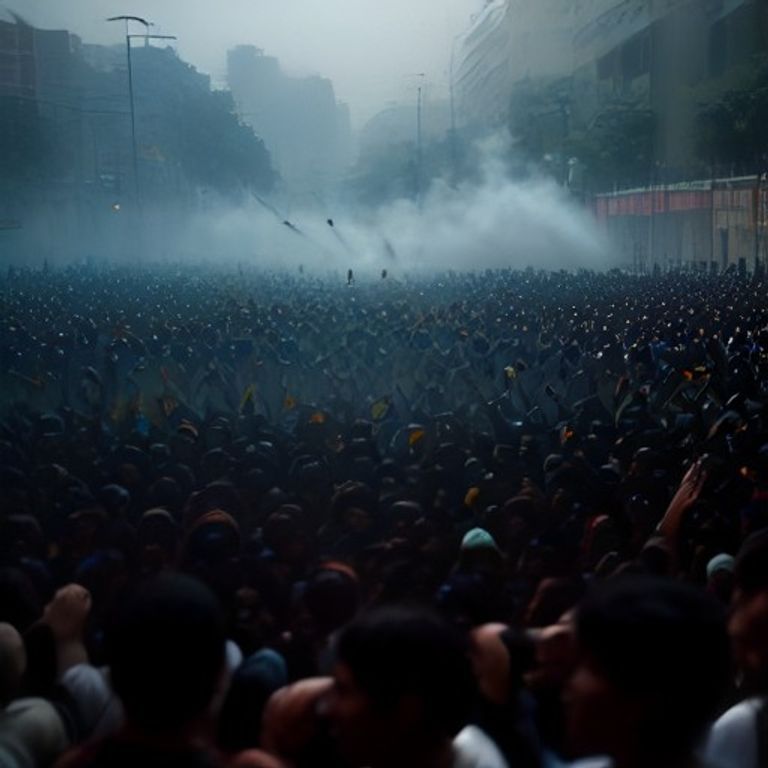
Jharkhand Erupts: Job Aspirants Clash with Police Over Recruitment Irregularities
In a dramatic escalation of long-simmering grievances, the Indian state of Jharkhand witnessed significant unrest on Monday as thousands of job aspirants clashed with police near the state assembly. The confrontation, stemming from widespread allegations of irregularities in recruitment examinations, resulted in injuries to several agitators and four policemen. Authorities deployed water cannons, tear gas, and resorted to lathi-charge in an attempt to disperse the protesting crowd, highlighting the growing frustration among the youth over employment opportunities and transparency in the public sector. The Jharkhand Job Protests underscore a national challenge concerning youth unemployment and the integrity of government hiring processes.
The Genesis of Discontent: Allegations of Irregularities
The protests on Monday were not an isolated incident but rather the culmination of months, if not years, of mounting dissatisfaction among young people in Jharkhand. The primary catalyst for the widespread outrage is the alleged systemic irregularities plaguing various government recruitment examinations. Aspirants claim that these irregularities manifest in multiple forms, including leaked question papers, favoritism in the selection process, and a general lack of transparency in the publication of results and merit lists. These accusations have led to numerous examinations being stalled, cancelled, or embroiled in legal disputes, leaving a vast pool of qualified candidates in limbo and deepening their sense of injustice.
Jharkhand, a resource-rich state, grapples with a persistent issue of unemployment, particularly among its youth. Public sector jobs, therefore, represent a crucial pathway to stability and upward mobility for many families. The perceived corruption and inefficiency in the recruitment system directly undermine this hope, fostering an environment of distrust and despair. Protest leaders and student organizations have repeatedly called for reforms, demanding greater accountability, stricter penalties for those involved in malpractices, and the establishment of a fair and transparent examination process. Their appeals, they argue, have largely gone unheeded by the state administration, leading to the decision to stage a direct confrontation with authorities.
Monday’s Confrontation: A Detailed Account
The scene near the Jharkhand assembly on Monday morning was charged with tension. Thousands of job aspirants, many traveling from remote parts of the state, converged with banners and slogans, determined to make their voices heard directly to their elected representatives. Their primary demand was a thorough investigation into the alleged irregularities and immediate steps to ensure fair recruitment. As the protestors attempted to breach police barricades and march towards the assembly building, the situation rapidly deteriorated.
Initial attempts by police to contain the crowd using verbal warnings proved futile against the sheer number and determination of the protestors. Eyewitnesses reported a sudden escalation in police action. Water cannons were deployed first, drenching the protestors in an attempt to disorient and push them back. This was followed by volleys of tear gas shells, blanketing the area in choking smoke and causing widespread discomfort and panic among the demonstrators. Despite these measures, a significant section of the crowd held its ground, leading to more direct confrontation.
The situation reached a critical point when police resorted to a lathi-charge, using batons to physically disperse the crowd. This resulted in a chaotic scene of running, pushing, and injuries. Several protestors sustained various degrees of injuries, some requiring immediate medical attention. Among those injured was an aide of Mahto, identified as Pankaj Kumar, who later claimed that he was directly injured during the lathi-charge near the assembly. The intensity of the police action also led to injuries among four police personnel, underscoring the volatile nature of the clash.
Local media captured visuals of the confrontation, showing protestors clashing with police, the deployment of anti-riot gear, and the aftermath of the lathi-charge with injured individuals being assisted by fellow demonstrators. The scale and intensity of the police response have drawn both criticism and defense, with authorities stating their actions were necessary to maintain law and order and prevent the breach of a sensitive government area, while protestors and civil society groups condemned the use of force against unarmed job seekers.
Voices from the Ground: Aspirants’ Anguish
The individuals participating in these protests represent a cross-section of Jharkhand’s aspiring workforce – graduates, post-graduates, and diploma holders, all vying for limited government positions. Their narratives paint a picture of years spent in rigorous preparation, often foregoing other opportunities, only to face a perpetually uncertain and allegedly corrupt recruitment landscape. Many protestors spoke of significant financial burdens incurred through coaching classes and examination fees, which are further exacerbated by repeated cancellations and delays.
A young woman, who requested anonymity, shared her frustration: “I have appeared for three different state-level examinations in the last two years. Each time, there were rumors of leaks or outright cancellations. How long can we keep studying and hoping? Our youth is passing, and with it, our opportunities.” Her sentiments were echoed by many others, who feel their futures are being jeopardized by a system that seems rigged against them.
The protestors are not just demanding jobs; they are demanding justice and accountability. They seek a system where merit prevails, where hard work is rewarded, and where the promise of a fair chance is upheld. The lack of faith in the current recruitment mechanisms is so profound that many believe only radical reforms can restore public trust. This distrust extends to the perceived inaction of the state government in addressing their concerns comprehensively and swiftly.
Political Ramifications and Government Response
The incident near the assembly immediately triggered a political uproar. Opposition parties were quick to condemn the state government’s handling of the protest, accusing it of being insensitive to the plight of the unemployed youth and using excessive force. They demanded an impartial inquiry into the police action and a concrete roadmap from the government to address the allegations of recruitment irregularities. These incidents often become significant talking points in regional politics, reflecting on the ruling party’s governance capabilities and its ability to manage public dissent.
While specific official statements immediately following the clash were limited to confirming injuries and outlining the need for law and order, the state government is now under increased pressure to respond. Previous attempts to address the issue of recruitment irregularities have included setting up inquiry committees, but protestors argue these measures have been insufficient and have failed to yield tangible results or restore confidence. The challenge for the government now is to balance maintaining order with addressing the legitimate grievances of a significant portion of its young population, who feel disenfranchised and betrayed by the system.
The ongoing protests also highlight a broader issue of governance in Indian states, where the public sector is often seen as the primary provider of stable employment. Any perceived failure or corruption in this domain can quickly ignite widespread discontent, particularly in states like Jharkhand with high youth populations and limited private sector opportunities. The events of Monday serve as a stark reminder to policymakers about the urgent need for robust, transparent, and efficient public administration, especially concerning vital services like recruitment.
The Road Ahead: Towards Resolution and Reform
The clash near the Jharkhand assembly is a potent symbol of the deep-seated frustrations brewing within India’s aspiring youth. It is a cry for transparency, fairness, and accountability in a system that many feel has let them down. For the state of Jharkhand, the path forward will require more than just maintaining law and order; it will necessitate a comprehensive approach to address the root causes of the widespread discontent.
- Expedited Investigations: A credible and time-bound investigation into all alleged recruitment irregularities is paramount. The findings must be made public, and those found responsible must be held accountable.
- Systemic Reforms: The government must implement fundamental reforms in the examination and recruitment process, leveraging technology to enhance transparency, minimize human intervention, and prevent malpractices. This could include real-time tracking of applications, secure digital examination platforms, and robust grievance redressal mechanisms.
- Dialogue and Engagement: Establishing an open and consistent channel of communication with student representatives and job aspirant organizations is crucial. Understanding their concerns directly and involving them in the solution-finding process can help de-escalate tensions and build trust.
- Boosting Employment Opportunities: Beyond public sector jobs, the state must focus on fostering private sector growth and skill development initiatives to create a more diverse and robust job market, thereby reducing the intense pressure on government vacancies.
The events of Monday serve as a critical wake-up call for the administration. Ignoring or downplaying the legitimate grievances of the youth risks further alienation and instability. A proactive and empathetic approach, focused on long-term systemic improvements rather than short-term crisis management, is essential to restore faith in governance and ensure a brighter future for Jharkhand’s youth.
Conclusion: A Call for Transparency and Justice
The violent clashes near the Jharkhand assembly on Monday have cast a harsh spotlight on the urgent need for transparency and integrity in public recruitment processes. With several protestors and four policemen injured, the incident underscores the severe frustration among job aspirants over alleged irregularities in examinations. This event is not merely a local law and order problem but a profound indicator of the challenges faced by Indian states in meeting the aspirations of their burgeoning young populations.
The calls for justice and fair opportunities from the youth of Jharkhand resonate across the nation, demanding that governments prioritize meritocracy and accountability. For the state, addressing these grievances effectively and implementing lasting reforms will be crucial for both social stability and economic progress. The path to resolution lies in genuine dialogue, swift justice for past wrongs, and a commitment to building a recruitment system that is equitable, transparent, and truly serves the hopes of its citizens. The Jharkhand Job Protests highlight a critical juncture for governance in the state and serve as a powerful reminder of the fundamental right to a fair opportunity.