
 By NewsMatrix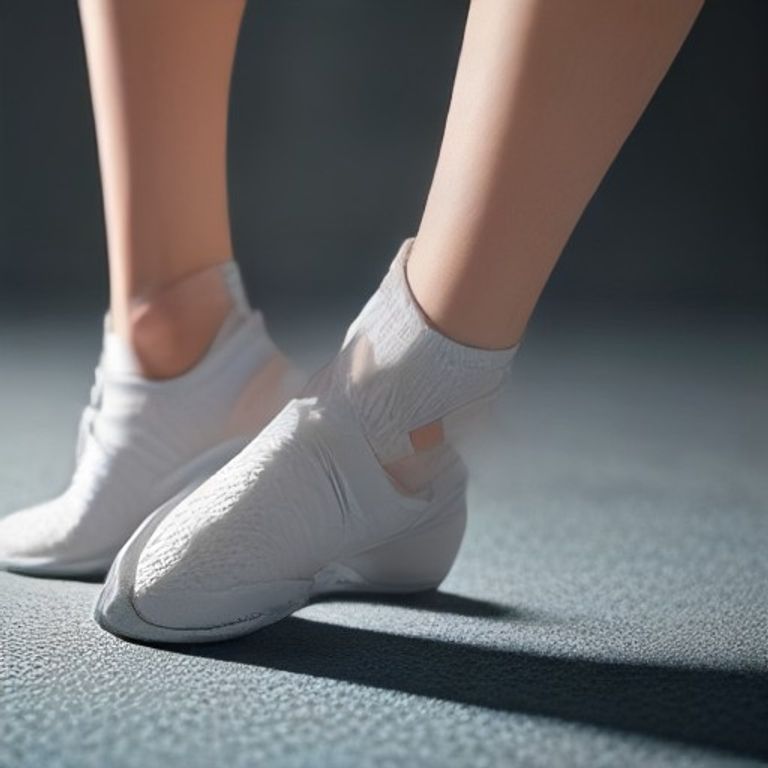
Introduction: Prioritizing Longevity in an Active Lifestyle
In an era where personal fitness and intense physical activity are increasingly central to well-being, the conversation around sustainable practices takes precedence. One figure exemplifying a pragmatic approach to enduring an active life is Jeff Dean, a prominent individual known for his demanding professional commitments and equally rigorous personal pursuits. Dean’s lifestyle, encompassing everything from competitive soccer to focused gym sessions, dynamic yoga, and regular running, underscores a vital, yet often overlooked, aspect of long-term athleticism: the meticulous protection of one’s joints. His candid sharing of simple, yet highly effective, joint protection habits offers invaluable insights for anyone striving for optimal Workout Joint Health. This article delves into Dean’s practical strategies, highlighting how mindful choices in footwear and consistent self-care can be pivotal in sustaining a high-impact regimen while mitigating the risks of injury and promoting enduring physical capability.
The Foundation of Protection: Strategic Footwear and Support
Dean’s philosophy begins, quite literally, from the ground up: with his choice of footwear. For individuals engaging in high-impact activities, the shoes worn are often the first, and most critical, line of defense against undue stress on the musculoskeletal system. Dean’s preference for “squishy running shoes” is not merely a matter of comfort but a calculated decision rooted in biomechanical principles of impact absorption and joint preservation.
The Science Behind Cushioned Running Shoes for Impact Reduction
“Squishy” or highly cushioned running shoes utilize advanced midsole technologies, often specialized foams like EVA or proprietary blends, to absorb and disperse the kinetic energy generated with each step. When the foot strikes the ground during running or jumping, significant force travels up the kinetic chain to the ankles, knees, hips, and spine. Cushioned shoes act as effective shock absorbers, significantly reducing the peak forces transmitted through these joints. This dampening effect lessens the repetitive micro-trauma that can lead to inflammation, cartilage degradation, and chronic pain over time. For Dean, whose routine involves varied high-impact elements, the consistent use of such footwear is paramount in preserving the integrity of his lower limb joints, preventing the insidious wear and tear that can sideline even the most dedicated athletes. The responsiveness and energy return of these materials further enhance comfort and efficiency, critical for sustained performance.
The Discipline of Regular Replacement: A Non-Negotiable Habit
Even the most advanced cushioning materials have a finite lifespan. Over time, foams compress and lose elasticity, diminishing their ability to absorb shock effectively. Dean’s habit of regularly replacing his running shoes is crucial, as continuing to train in worn-out footwear increases the risk of stress fractures, shin splints, plantar fasciitis, and aggravated knee and ankle strain. Most experts suggest replacing running shoes every 300 to 500 miles, or approximately every six months, depending on usage intensity. This proactive replacement schedule ensures consistent benefit from the full protective capacity of his footwear, a cornerstone of his joint preservation strategy. It represents a small, consistent investment for significant returns in long-term joint health and injury prevention.
Arch Support Inserts: A Critical Layer of Stability and Alignment
Beyond shoe cushioning, Dean incorporates arch support inserts, adding another critical layer of protection. These inserts, whether off-the-shelf or custom orthotics, maintain the natural alignment of the foot and ankle, influencing the mechanics of the entire lower body. The foot’s arch is vital for shock absorption and weight distribution. Variations like flat feet or high arches can lead to inefficient load distribution and increased stress on specific joints. Arch support inserts correct or assist the foot’s natural biomechanics, preventing excessive pronation or supination. By providing proper support, they stabilize the foot during ground contact, ensuring forces are transmitted more evenly and efficiently up the leg. This stability is particularly beneficial for the knees and ankles, often the first joints to suffer from misaligned foot mechanics. For Dean, these inserts are a targeted intervention to mitigate strain, especially on his knees and ankles, supporting their intricate ligamentous structures and maintaining a neutral gait.
Addressing Past Vulnerabilities: The Ankle Dilemma
While Dean’s proactive measures are comprehensive, he openly acknowledges persistent concerns regarding his ankles, a direct consequence of past basketball injuries. This honesty highlights an important aspect of joint protection: even with the best preventative habits, past injuries often leave residual vulnerabilities requiring ongoing attention.
Jeff Dean’s Personal History with Ankle Injuries and Ongoing Vigilance
Basketball, with its explosive movements, quick pivots, and sudden stops, is notorious for ankle sprains. Dean’s history means his ankle joints may have compromised ligamentous integrity or developed compensatory movement patterns, making them susceptible to re-injury. For him, this historical context makes his ankles a continuous focal point of his joint care strategy. He is not merely preventing new injuries but actively managing a pre-existing condition, underscoring the importance of personalized approaches to joint health. This necessitates heightened awareness of ankle sensation, paying close attention to any signs of fatigue, instability, or discomfort. It also emphasizes the need for continuous strengthening and proprioceptive exercises to enhance ankle stability and neuromuscular control, vital for preventing recurrence.
Proactive Measures and Ongoing Monitoring for Ankle Resilience
To manage this persistent concern, Dean likely integrates specific exercises to strengthen muscles around the ankle, improve balance, and enhance proprioception. These could include balance board exercises, single-leg stands, calf raises, and resistance band work. Furthermore, he may employ supportive measures during higher-risk activities, such as taping or bracing, especially in sports like soccer. His emphasis on quality footwear and arch support also provides foundational stability that indirectly supports his ankles. This ongoing vigilance and adaptive strategy are crucial for anyone with a history of joint injuries, demonstrating that joint protection is not a one-time fix but a continuous, evolving process of self-care tailored to one’s unique physiological history.
A Holistic Approach to Active Living: Diverse Activities for Joint Resilience
Dean’s active lifestyle is characterized by its diversity, a factor that, surprisingly, can contribute significantly to joint longevity when managed correctly. His routine encompasses soccer, gym sessions, yoga, and running, showcasing a multi-faceted engagement with physical fitness.
The Multi-Faceted Workout Regimen: Soccer, Gym, Yoga, and Running
Each activity places different demands on the joints and muscles. Soccer involves high-impact sprints, cuts, and jumps, stressing knees and ankles. Gym sessions can involve controlled heavy loads or repetitive motions. Yoga, in contrast, emphasizes flexibility, balance, and controlled movements, promoting joint mobility and stability without high impact. Running is a repetitive, weight-bearing activity. This combination exposes Dean’s joints to a wide range of movements and stresses. However, when managed thoughtfully, this diversity can be beneficial, engaging different muscle groups and movement patterns, which helps distribute stress more evenly across the body’s joint structures.
The Role of Varied Activities in Enhancing Joint Resilience
The varied nature of Dean’s activities likely contributes to overall joint resilience through cross-training, which prevents overuse injuries from repetitive strain in a single activity. For instance, incorporating yoga improves flexibility and range of motion, crucial for injury prevention. Strength training builds muscle around joints, providing vital support and stability. By diversifying his workouts, Dean ensures no single joint or muscle group is consistently subjected to the same stress without adequate recovery or compensatory strengthening. This holistic approach fosters well-rounded physical conditioning, leading to better balance, improved proprioception, and enhanced musculoskeletal health – all integral components of robust joint protection. It also allows for active recovery, where lower-impact activities aid blood flow and nutrient delivery without significant added stress.
Expert Insights on Sustaining Joint Longevity
Dean’s personal habits align with broader expert recommendations for individuals committed to long-term physical activity. Understanding the biomechanics of joint function and the principles of injury prevention can empower anyone to adopt similar protective strategies.
The Biomechanics of Impact and Proactive Prevention Strategies
Joints are designed for movement, but their capacity for enduring repetitive high-impact forces is finite. Cartilage, which covers bone ends, reduces friction and absorbs shock. Ligaments provide stability. Repeated high-impact stress without adequate cushioning or proper alignment can gradually erode cartilage, inflame joint capsules, and strain ligaments, potentially leading to degenerative conditions like osteoarthritis. Proactive prevention involves minimizing undue stress through appropriate footwear, orthotics, maintaining a healthy body weight, ensuring adequate nutrition for cartilage health, and heeding the body’s early signs of discomfort.
Key Recommendations for All Active Individuals
- Invest in Quality Footwear: Choose shoes designed for your activity and foot type, focusing on cushioning and support. Replace them regularly before protective qualities diminish.
- Consider Arch Support: If experiencing foot or lower limb pain, or with specific foot biomechanics, seek professional advice on suitable arch support inserts.
- Diversify Your Workouts: Incorporate varied activities, balancing high-impact with low-impact exercises, strength training, and flexibility work to prevent overuse.
- Strengthen Supporting Muscles: Build strength and stability around major joints (knees, ankles, hips) for natural protection against strain.
- Listen to Your Body: Prioritize rest and recovery. Do not push through persistent pain; it’s a signal that demands attention.
- Address Past Injuries: If you have a history of joint injuries, be extra vigilant. Work with professionals to develop ongoing management strategies, including targeted strengthening and proprioceptive exercises for resilience.
Conclusion: A Blueprint for Enduring Activity
Jeff Dean’s approach to maintaining an intensely active lifestyle while safeguarding his joints offers a compelling blueprint for anyone dedicated to long-term physical well-being. His emphasis on quality, regularly replaced cushioned running shoes, coupled with targeted arch support inserts, forms a robust first line of defense against the relentless impact of demanding workouts. Furthermore, his open acknowledgment and proactive management of past ankle injuries underscore a realistic and responsible attitude toward personal health. By integrating a diverse range of activities into his routine, Dean not only challenges his body but also builds multifaceted resilience that protects against overuse. Ultimately, Dean’s habits are a powerful reminder that sustained physical activity, especially at high intensities, is not merely about pushing limits but about intelligently nurturing the body. His commitment to prioritizing Workout Joint Health is an inspiring example for athletes and active individuals worldwide, demonstrating that with thoughtful preparation and consistent care, a vibrant, active life can indeed be a lifelong endeavor.