
 By NewsMatrix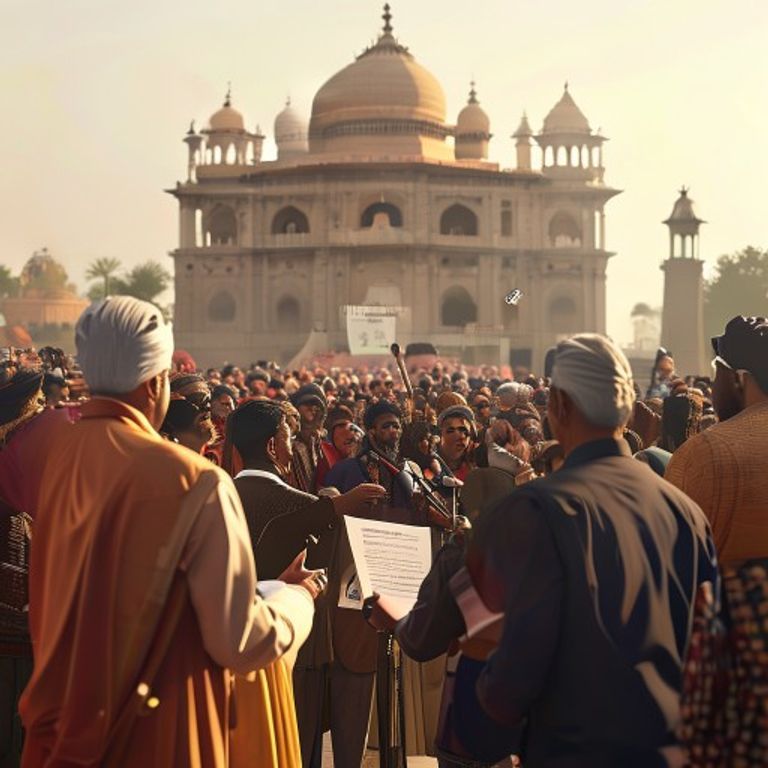
Jantar Mantar Protest Resolution: Cockroach Janta Party Ends 37-Day Stand-Off After Government Talks
New Delhi – After 37 arduous days, the Cockroach Janta Party (CJP) has officially concluded its prolonged protest at Jantar Mantar, a historic site synonymous with dissent in the heart of India’s capital. This significant development marks a pivotal moment in contemporary Indian political activism, following three intensive rounds of negotiations with a high-level central government delegation. The decision to end the demonstration came after the government conceded to two of the CJP’s primary demands, a crucial breakthrough that underscores the power of sustained public pressure and constructive dialogue. A key concession included the resignation of a minister, whose portfolio was under scrutiny related to the grievances raised by the party. Furthermore, the government has committed to the withdrawal of all legal cases filed against the numerous protesters and organizers involved in the lengthy sit-in. While these are substantial victories, the Cockroach Janta Party has made it clear that its struggle is far from over, as it continues to advocate relentlessly for comprehensive compensation for the families profoundly affected by the widely publicised NEET paper leak scandal. The Jantar Mantar protest resolution, therefore, represents a partial triumph, setting a precedent for future interactions between civil society movements and the ruling establishment.
The Genesis of the Protest: A Call for Accountability
The roots of the Cockroach Janta Party’s protest run deep, stemming primarily from profound public disillusionment and anger over the alleged NEET paper leak, an incident that cast a long shadow over the aspirations of countless students across the nation. The National Eligibility cum Entrance Test (NEET) is a crucial examination for admission to undergraduate medical courses in India, and any compromise to its integrity shakes the very foundation of trust in the country’s education system. The CJP, a nascent but vocal political entity, positioned itself as the voice of the aggrieved, demanding immediate action, transparent investigations, and accountability from those in power. Before initiating the Jantar Mantar protest, the party had engaged in various smaller-scale demonstrations and submitted multiple memorandums to relevant authorities, highlighting the anguish of students and their families. However, with perceived governmental inaction and a lack of satisfactory responses, the party escalated its efforts, culminating in the decision to launch a sustained, indefinite protest at Jantar Mantar, aiming to amplify their demands on a national stage. This was not merely about a single paper leak; it evolved into a broader critique of governance, transparency, and the perceived systemic failures affecting the common citizen.
37 Days of Steadfastness: The Heartbeat of Jantar Mantar
For over a month, Jantar Mantar transformed into a vibrant, albeit often tense, crucible of democratic expression. Day in and day out, hundreds, and at times thousands, of Cockroach Janta Party members and their supporters gathered, braving the erratic weather of the national capital. The protest site became a microcosm of resistance, with makeshift tents, banners, and loudspeakers articulating their demands. The protesters engaged in various forms of peaceful demonstration, including hunger strikes, public debates, and cultural performances, all aimed at drawing national attention to their cause. The sheer duration of the protest – 37 days – showcased the unwavering resolve of the CJP and its commitment to its core agenda. While initially met with relative silence from official quarters, the consistent presence and the growing media coverage gradually built pressure on the central government. Jantar Mantar itself, with its historical significance as a site for public assembly and advocacy since India’s independence, lent a powerful symbolic weight to the CJP’s efforts, echoing the legacy of countless other movements that have sought to hold power accountable from this very location.
The Negotiation Table: Historic Dialogue and Strategic Concessions
The breakthrough in the protracted stand-off came after the central government, acknowledging the growing public discourse and the persistence of the CJP, extended an invitation for formal dialogue. This led to three distinct rounds of high-stakes negotiations, meticulously conducted behind closed doors, away from the immediate glare of public scrutiny. The government’s delegation was reportedly led by senior cabinet ministers and bureaucrats, indicating the seriousness with which the administration eventually approached the situation. On the CJP’s side, a core committee of its top leadership, including its most prominent strategists, represented the protesters’ demands. The discussions were reportedly intense, covering the full spectrum of the CJP’s grievances, with particular emphasis on the NEET paper leak and the call for ministerial accountability. Both sides engaged in a delicate dance of proposals and counter-proposals, striving to find common ground while upholding their respective positions. The third round proved decisive, culminating in an agreement that addressed two of the CJP’s most pressing concerns, demonstrating a significant willingness from the government to de-escalate the situation and address public grievances through diplomatic channels.
Key Demands Met: A Minister’s Resignation and Its Ramifications
Among the most significant victories for the Cockroach Janta Party was the government’s acceptance of the demand for a minister’s resignation. While the identity of the minister has not been publicly disclosed at the time of this report, the implication of such a high-profile departure is profound. The CJP had consistently highlighted the minister’s alleged culpability or perceived inaction regarding the systemic issues that led to the NEET paper leak, portraying their resignation as a crucial step towards restoring public faith in governance and accountability. This concession sends a strong message that public pressure, when sustained and channelled effectively, can indeed compel even the most entrenched political figures to step down. Politically, this resignation could have cascading effects, potentially leading to a cabinet reshuffle and a re-evaluation of policies within the relevant ministries. For the CJP, it serves as a tangible victory, validating their protest and providing a significant morale boost to their cadre and supporters. It also establishes a precedent where political accountability is visibly enforced in response to widespread public outcry, potentially influencing future government responses to similar crises.
The Withdrawal of Legal Cases: A Gesture of De-escalation
Another crucial demand accepted by the central government was the commitment to withdraw all legal cases initiated against the protesters and organizers of the 37-day demonstration. In the context of large-scale public protests in India, it is common for authorities to file various charges, ranging from obstruction of public order to violations of specific local statutes. These cases often hang over activists and participants for years, serving as a deterrent to future activism. The government’s decision to revoke these charges is a significant gesture of de-escalation and goodwill. For the numerous individuals who participated, this means immediate relief from potential legal battles, court appearances, and the psychological burden associated with such proceedings. It allows them to return to their normal lives without the threat of legal repercussions hanging over their heads. From a broader perspective, this move is indicative of the government’s desire to foster a more amicable environment following the intense protest. It suggests an acknowledgment of the legitimate concerns raised by the CJP and a willingness to facilitate a smoother return to normalcy, potentially paving the way for further constructive engagement on unresolved issues.
The Unfinished Battle: Seeking Justice for NEET Affected Families
Despite the notable successes achieved through negotiation, the Cockroach Janta Party has reiterated its unwavering commitment to its foundational demand: comprehensive compensation for the families devastated by the NEET paper leak. This issue remains the central pillar of the CJP’s ongoing advocacy. The party argues that the leak not only compromised the integrity of a national examination but also inflicted immense emotional trauma, financial burden, and lost opportunities upon thousands of aspiring medical students and their families. Many students had invested years in rigorous preparation, often with significant financial sacrifices from their parents, only to see their dreams jeopardized by alleged systemic failures. The CJP’s vision for compensation extends beyond mere token gestures; it seeks substantial financial redressal for coaching fees, examination charges, and the emotional distress endured. Furthermore, they advocate for policy reforms to prevent such incidents in the future and to ensure a robust, fair, and transparent examination system. The government, while conceding on other fronts, has yet to fully address this particular demand, perhaps due to the complexities involved in determining eligibility, the quantum of compensation, and the potential budgetary implications. The CJP views this as an unfinished battle, pledging to continue its peaceful, democratic efforts until justice is served for every affected family, indicating that while the Jantar Mantar sit-in has concluded, their broader movement for educational justice persists.
Broader Implications and Public Sentiment
The resolution of the Cockroach Janta Party’s protest carries significant implications for India’s political landscape and the future of democratic activism. It demonstrates that sustained, organised, and peaceful protests can indeed yield tangible results, even against a formidable central government. The government’s willingness to negotiate and concede on key demands could be seen as a sign of flexibility and responsiveness to public sentiment, particularly on issues with widespread public resonance like educational fairness. However, the partial nature of the victory also highlights the enduring challenges faced by activist groups in achieving all their objectives. Public sentiment regarding the outcome is likely to be mixed; while many will hail the minister’s resignation and the withdrawal of cases as victories for accountability, the ongoing struggle for NEET compensation will resonate deeply with the affected communities and those concerned about social justice. The episode also positions the Cockroach Janta Party as a serious political force capable of mobilising public opinion and engaging in strategic negotiations, potentially enhancing its credibility and influence in future political discourse.
Conclusion: A Precedent for Dialogue and Persistent Advocacy
The conclusion of the Cockroach Janta Party’s 37-day protest at Jantar Mantar marks a complex yet significant chapter in India’s vibrant democratic story. It is a testament to the power of persistent advocacy and the critical role of dialogue in resolving political impasses. The agreement, which saw the resignation of a minister and the withdrawal of legal cases, represents a hard-won victory for the CJP and a demonstration of governmental responsiveness. However, the party’s continued pursuit of compensation for NEET paper leak victims underscores that the fight for complete justice is an ongoing journey. This Jantar Mantar protest resolution sets a valuable precedent, illustrating that even in the face of deep-seated grievances, negotiation and mutual understanding can lead to tangible outcomes. It reinforces the dynamic nature of Indian democracy, where the voice of the people, when collectively raised and sustained, can ultimately shape policy and hold power accountable, even as new challenges and demands emerge on the horizon.