
 By NewsMatrix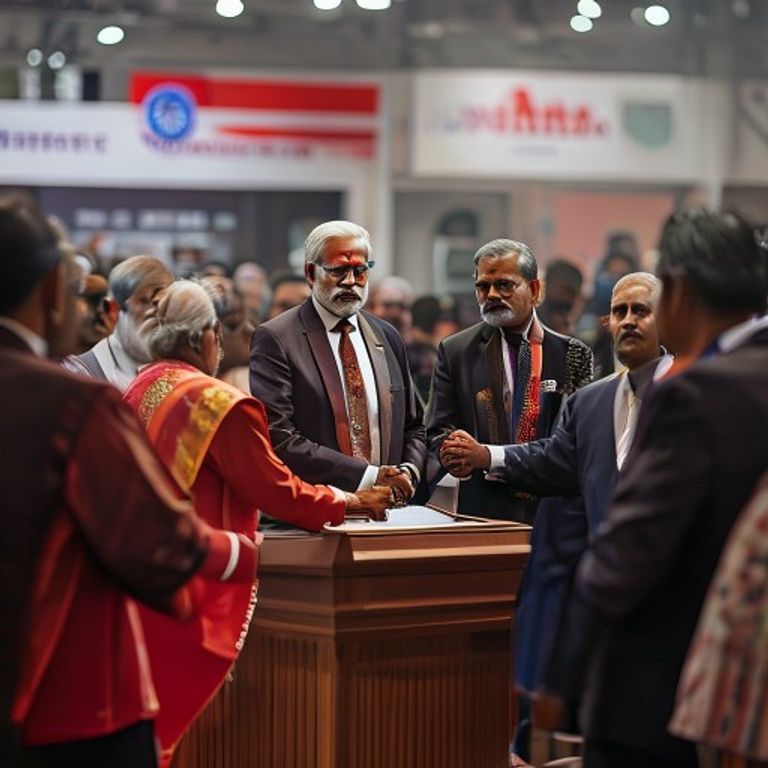
Jan Suraaj Leaders Defect to BJP Ahead of Pivotal Bankipur Assembly Bypoll
Patna, India – In a significant political development just weeks before the crucial Bankipur Assembly bypoll, several prominent leaders from the Jan Suraaj campaign officially joined the Bharatiya Janata Party (BJP) on Wednesday. This strategic move sends ripples through Bihar’s political landscape, especially as the by-election, scheduled for July 30, pits electoral strategist Prashant Kishor, representing Jan Suraaj, against the BJP’s candidate, Neeraj Kumar Sinha. The defection highlights the intensifying political churn in the state and signals a potentially decisive shift in allegiances ahead of a high-stakes electoral contest.
A Calculated Move Before the Electoral Showdown
The Wednesday defection ceremony saw a number of district-level coordinators and key organizational members from the Jan Suraaj movement formally accepting the BJP’s membership. Among those who joined were individuals known for their grassroots influence and organizational capabilities in various parts of Bihar. Speaking at the induction ceremony, the new entrants articulated their commitment to Prime Minister Narendra Modi’s leadership and expressed their belief in the BJP’s vision for national development and progress. This public endorsement of the ruling party, coming from within the ranks of a nascent political alternative, is being widely interpreted as a considerable boost for the BJP’s prospects in the upcoming bypoll.
Sources within the BJP indicate that the party has been actively engaging with leaders from various political outfits, aiming to consolidate its position and broaden its support base. The successful wooing of Jan Suraaj leaders is a testament to this strategy, providing the BJP with not only additional cadres but also a narrative advantage. It allows the party to project an image of growing acceptance and disillusionment with opposition forces, including independent movements seeking to carve out a new political space.
The timing of these defections is particularly noteworthy. With the Bankipur bypoll just around the corner, such a development can significantly impact voter perception and the morale of campaigning teams. For Jan Suraaj, a movement spearheaded by Prashant Kishor with the ambitious goal of offering a clean and alternative political discourse, the loss of key leaders could pose a significant challenge to its organizational cohesion and public image.
The Bankipur Battleground: A Seat of Significance
The bypoll in the Bankipur Assembly constituency was necessitated following the resignation of BJP MLA Nitin Nabin, who stepped down to take on a larger role within the party’s national organization. This has opened up a vacuum, creating an intense battleground for a seat that is considered prestigious within Patna’s urban sprawl. Bankipur, an urban constituency, often reflects the sentiments of educated and middle-class voters, making it a crucial barometer for overall political trends in the region.
Historically, Bankipur has been a stronghold for certain political ideologies, and the urban electorate here is known for its discerning choices. The current contest pits two formidable figures against each other. On one side is Neeraj Kumar Sinha, the BJP candidate, who is banking on the party’s established organizational strength and the developmental agenda of both the state and central governments. On the other side is Prashant Kishor, a political strategist who is making his direct electoral debut, attempting to translate his “Jan Suraaj” (People’s Good Governance) movement into electoral success.
The bypoll is not just about winning a single assembly seat; it is also a proxy battle that carries broader implications. For the BJP, retaining Bankipur is a matter of prestige and a signal of continued dominance. For Prashant Kishor, a victory would legitimize his long-held ambition of transitioning from a backroom strategist to a frontline politician, proving the viability of his independent movement.
Prashant Kishor’s Jan Suraaj: A Movement Tested
Prashant Kishor launched the Jan Suraaj Abhiyan (campaign) with the stated aim of bringing about fundamental changes in Bihar’s politics. His extensive padayatra (foot march) across the state garnered significant attention, allowing him to connect with citizens at the grassroots level and understand their grievances. The core tenets of Jan Suraaj revolve around promoting good governance, accountability, and a departure from caste-based and identity politics that have long dominated Bihar.
Kishor’s entry into direct electoral politics in Bankipur was seen as a bold step, a practical test of whether his advocacy for a new political culture could translate into actual votes. The defection of his key leaders to the BJP, however, introduces a layer of complexity and challenge to this narrative. Critics argue that such desertions expose the fragility of movements built primarily around a personality, while supporters maintain that true change agents remain undeterred by temporary setbacks.
The Jan Suraaj campaign has focused on issues like education, healthcare, and economic development, seeking to move beyond traditional electoral promises. The question now is whether the momentum generated by Kishor’s extensive outreach can withstand the pressure of defections and the formidable machinery of established parties like the BJP. The bypoll will serve as a crucial test of the movement’s resilience and its ability to maintain its narrative amidst political realignments.
BJP’s Consolidation Strategy in Bihar
The Bharatiya Janata Party has consistently aimed at strengthening its organizational base in Bihar, a state where it has historically played a significant, albeit often junior, partner role in alliances. Under the leadership of Prime Minister Modi, the party has made concerted efforts to expand its direct appeal to voters, moving beyond traditional coalition politics. The induction of Jan Suraaj leaders is a clear manifestation of this strategy, designed to absorb potential dissent and consolidate anti-incumbency votes in its favor.
The BJP’s pitch in Bankipur, as across the nation, centers on strong leadership, developmental initiatives, and a vision for a “New India.” The party is leveraging the popularity of Prime Minister Modi and the perceived stability offered by its governance. For the upcoming bypoll, the BJP will undoubtedly emphasize its proven track record in both state and central governments, contrasting it with the untested propositions of newer political entities. The defection further empowers the BJP to project an image of a party that attracts talent and dedicated individuals, strengthening its narrative of being the preferred choice for those committed to national progress.
The party’s campaign machinery is known for its meticulous planning and execution, from booth-level management to extensive social media outreach. The bypoll will see the full deployment of these resources, aiming to ensure a comfortable victory for Neeraj Kumar Sinha. The influx of Jan Suraaj leaders adds a fresh dynamic to this effort, potentially bringing in new voter segments and localized influence that could prove critical in a tightly contested election.
The Broader Political Canvas of Bihar
Bihar’s political landscape has always been dynamic and often unpredictable. The state has witnessed several political realignments and shifts in power dynamics over the years. The upcoming Bankipur bypoll, while confined to a single constituency, is being viewed through the prism of these broader state-level dynamics. It comes at a time when major political blocs in Bihar – the ruling National Democratic Alliance (NDA) and the opposition Mahagathbandhan (Grand Alliance) – are constantly vying for supremacy.
An independent movement like Jan Suraaj, seeking to challenge the entrenched two-front system, inherently faces an uphill battle. The defection of its members to an established party like the BJP underscores the challenges in sustaining an alternative political force without strong institutional backing. Analysts suggest that such movements often find it difficult to retain their cadre when faced with the allure of joining larger, more resourced parties, especially when an election is imminent.
The result of the Bankipur bypoll will not only decide the fate of a single assembly seat but will also be closely scrutinized for what it reveals about public sentiment. Will voters gravitate towards established parties offering stability and a clear political direction, or will they be swayed by the appeal of a new political narrative, even one facing internal challenges? The outcome will provide valuable insights into the evolving political preferences of Bihar’s electorate.
Conclusion: A Precursor to Future Alignments?
The defection of several Jan Suraaj leaders to the Bharatiya Janata Party just weeks before the Bankipur Assembly bypoll marks a significant turning point in an already keenly watched election. This development undoubtedly strengthens the BJP’s position in the constituency and presents a considerable challenge to Prashant Kishor’s direct electoral ambitions and the overall momentum of his Jan Suraaj campaign. The decision by these leaders to align with Prime Minister Modi’s vision underscores a broader trend of political realignment and the perceived magnetic pull of the ruling party.
As Bankipur prepares to go to the polls on July 30, all eyes will be on this constituency. The bypoll is more than just a contest for a single seat; it is a test of political strategies, the resilience of emerging movements, and the enduring appeal of established parties. Its outcome will offer crucial insights into the evolving political preferences of the electorate and could well serve as a precursor to future political alignments and electoral strategies in Bihar. The political chess game continues, with every move carrying profound implications for the state’s future governance and representation.