
 By NewsMatrix
Jadarite Lithium: Serbia’s ‘Kryptonite’ Mineral Holds Key to Europe’s Electric Vehicle Future Amidst Local Opposition
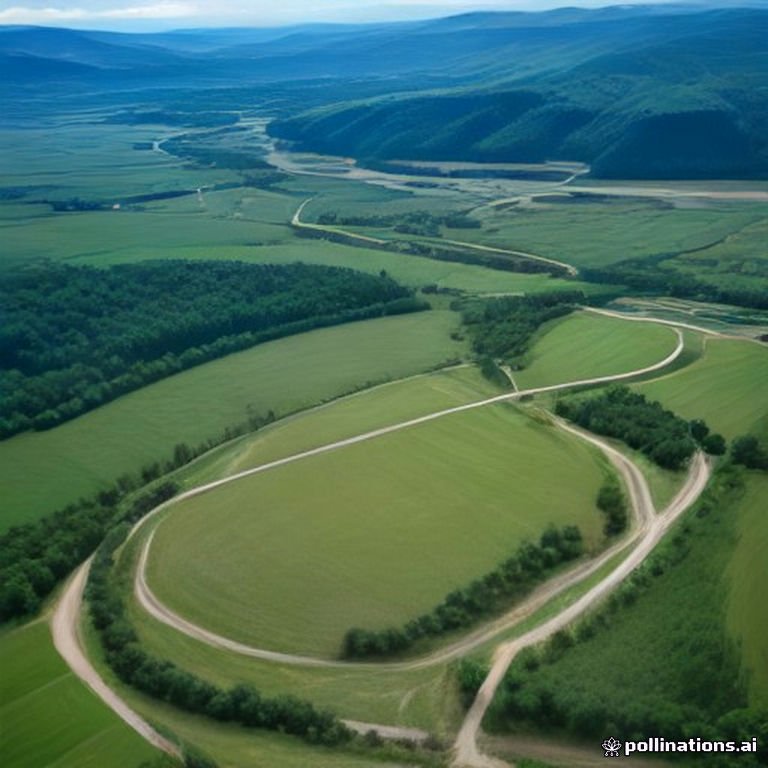
NewsMatrix Exclusive – In the picturesque valleys of western Serbia, a scientific discovery made in 2004 has evolved into a pivotal geopolitical and environmental saga. Scientists unearthed a rare white mineral, subsequently named Jadarite, whose unique chemical signature bore an uncanny resemblance to the fictional substance, Kryptonite, from the Superman comics. Unlike its glowing green counterpart, real-world Jadarite is neither green nor radioactive. Instead, this remarkable mineral holds a far more tangible power: the potential to fuel a significant portion of Europe’s burgeoning demand for lithium, a critical component in electric vehicle batteries. However, the promise of this invaluable resource is currently overshadowed by fierce local opposition, which has brought planned mining operations to a standstill, highlighting the complex global balancing act between economic progress and environmental stewardship.
The Discovery: From Serbian Soil to a Fictional Echo
The story of Jadarite began nearly two decades ago when geologists from the Anglo-Australian mining giant, Rio Tinto, were conducting exploratory drilling in the Jadar Valley near Loznica, Serbia. Their initial aim was to search for borates, but what they found was an entirely new mineral. Dr. Chris Stanley, a mineralogist at the Natural History Museum in London, identified its unique composition: sodium lithium boron silicate hydroxide. It was the precise chemical formula – LiNaSiB3O7(OH) – that caught the world’s attention. This formula was almost identical to the chemical description of Kryptonite found on a shipping crate in the 2006 film, Superman Returns, which read “sodium lithium boron silicate hydroxide with fluorine.” The only missing element in Jadarite was fluorine, a minor difference that nonetheless sparked a global media frenzy, dubbing the newly discovered mineral “Kryptonite.”
Despite the captivating fictional link, scientists were quick to clarify the differences. Jadarite is a white, earthy mineral, not the vibrant green that famously weakens Superman. Crucially, it is not radioactive and poses no immediate threat to comic book heroes or anyone else. The name “Jadarite” was officially approved by the International Mineralogical Association in 2007, solidifying its place in the scientific lexicon, forever tied to its origin in the Jadar River basin.
Lithium: The ‘White Gold’ of the Electric Revolution
The real power of Jadarite lies not in its pop culture association, but in its lithium content. As the world accelerates its transition away from fossil fuels, the demand for lithium, often dubbed “white gold,” has skyrocketed. Lithium-ion batteries are the lifeblood of electric vehicles (EVs), smartphones, laptops, and renewable energy storage systems. Europe, in particular, is heavily reliant on imported lithium, making it vulnerable to supply chain disruptions and geopolitical shifts. Developing domestic sources of this critical mineral is a strategic imperative for the European Union’s ambitious climate goals and its push for energy independence.
The Jadar deposit, where Jadarite is found, is estimated to contain vast reserves of lithium. Initial assessments by Rio Tinto suggested the mine could produce enough lithium to power one million electric vehicles annually for at least 15 years, potentially supplying a significant portion – around 10% – of Europe’s total lithium needs. Such a discovery could transform Serbia into a key player in the global EV supply chain, bringing substantial economic benefits, including job creation, increased GDP, and attracting further foreign investment. For a country like Serbia, which is actively seeking to integrate more closely with European economic structures, the Jadar project represented an unprecedented opportunity for industrial development and prosperity.
The Local Uprising: Environmental Fears vs. Economic Promise
However, the narrative of economic boon quickly collided with deeply rooted environmental and social concerns. The proposed Jadar mine project, spearheaded by Rio Tinto, faced intense and sustained opposition from local communities, environmental activists, and non-governmental organizations across Serbia. The Jadar Valley is a fertile agricultural region, home to generations of farmers whose livelihoods depend on the land and the purity of its water sources, particularly the Drina River.
Opponents argued that the extensive mining operations would lead to irreversible environmental damage. Primary concerns included:
- Water Pollution: Fears that the mining and processing of Jadarite, which involves chemical treatment, would contaminate the Drina River, a vital water source for both Serbia and neighboring Bosnia and Herzegovina, as well as local groundwater.
- Soil Degradation: The vast scale of the open-pit mining operations and subsequent waste disposal was predicted to destroy vast tracts of fertile agricultural land, displacing farming communities and impacting food security.
- Biodiversity Loss: The Jadar Valley is home to diverse ecosystems, and activists warned of the destruction of natural habitats and loss of local flora and fauna.
- Health Risks: Concerns were raised about potential exposure to toxic waste, dust, and other pollutants that could arise from the mining process, posing risks to human health in nearby settlements.
- Land Expropriation: Local residents expressed anxieties over forced land expropriation, fearing they would be displaced from their ancestral homes and farms for inadequate compensation.
These concerns ignited a powerful grassroots movement. Throughout 2021, thousands of Serbian citizens participated in protests, blockading major roads and highways, demanding the government halt the project. Environmental groups like “Go Change” and “Kreni-Promeni” garnered significant public support, turning the Jadar mine into a central political issue ahead of national elections. The opposition became a symbol of national sovereignty and the fight against what many perceived as foreign exploitation and a disregard for local populations and the environment.
Navigating the Impasse: A Global Dilemma
The conflict in the Jadar Valley epitomizes a global dilemma: how to secure the critical minerals necessary for the green energy transition without causing irreparable harm to local environments and communities. Rio Tinto maintained that it adhered to the highest international environmental standards and planned to use advanced, sustainable mining techniques. The company highlighted its commitment to investing billions of dollars, creating thousands of jobs, and contributing significantly to Serbia’s economy, all while implementing robust environmental protection measures.
However, public trust, already fragile due to past environmental controversies in the region and a lack of transparency, remained elusive. In January 2022, facing immense public pressure and widespread protests, the Serbian government revoked Rio Tinto’s licenses for the Jadar project, effectively halting the operations. This decision was hailed as a major victory for environmental activists and local communities, yet it left a significant question mark over Serbia’s economic future and Europe’s quest for **Jadarite Lithium** independence.
The Jadar case serves as a stark reminder that the path to a sustainable future is not without its own complex challenges. As nations race to secure critical minerals, they must navigate the delicate balance between resource extraction, economic development, and the imperative to protect local ecosystems and respect community rights. The “not in my backyard” (NIMBY) phenomenon is becoming increasingly prevalent globally, forcing governments and corporations to rethink their approaches to large-scale industrial projects.
Conclusion: The Unwritten Future of Jadarite Lithium
The story of Jadarite is a compelling blend of scientific discovery, economic promise, and profound socio-environmental conflict. What began as a fascinating geological find with a superhero connection has evolved into a microcosm of the wider global struggle to transition to a green economy responsibly. The Serbian ‘Kryptonite’ mineral, Jadarite Lithium, offers a powerful solution to Europe’s electric vehicle battery needs, yet its extraction remains ensnared in a web of local resistance and environmental concerns.
As the world continues its urgent pivot towards sustainable energy, the unresolved fate of the Jadar project in Serbia stands as a critical test case. Can the global demand for essential minerals be met in a way that truly respects both the planet and its people? The future of Jadarite Lithium, and indeed the broader green transition, hinges on finding innovative solutions that bridge the gap between vital resource extraction and the unwavering commitment to environmental protection and social justice. Until then, Serbia’s ‘Kryptonite’ remains buried, a potent symbol of humanity’s complex choices.