
 By NewsMatrix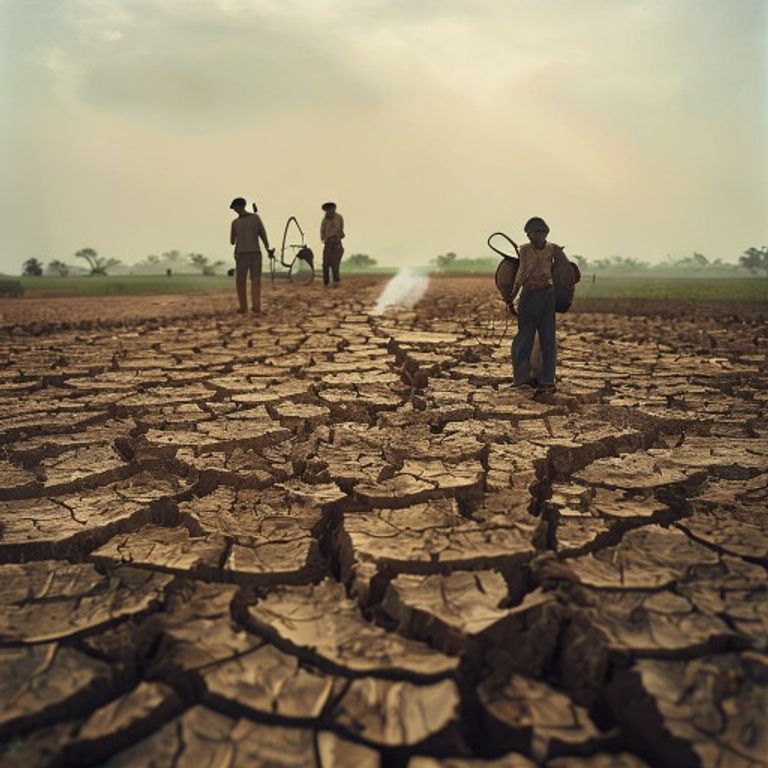
India, a nation deeply intertwined with its annual monsoon, faces a critical juncture as forecasts point to a weaker seasonal rainfall. This development casts a long shadow over the country’s vast rural economy and the incomes of millions of farmers, threatening to ripple through various sectors. The potential for a subdued monsoon could exacerbate existing economic pressures, particularly by driving up food inflation and subsequently dampening consumption demand in the coming months. The intricate relationship between agriculture, rural livelihoods, and the broader Indian economy means that a below-normal rainfall scenario, or an uneven distribution of precipitation, has far-reaching consequences. This article delves into the multi-faceted challenges posed by a potentially deficient monsoon, examining its direct impact on agriculture, its indirect effects on inflation and consumer spending, and the vulnerabilities it exposes within the financial sector, while also considering the overall resilience of India’s economic framework. Understanding India’s monsoon impact is crucial for policymakers, businesses, and citizens alike, as it dictates the pace of economic growth and the well-being of a significant portion of the population.
The Lifeline Under Threat: Agriculture and Farm Incomes
Agriculture remains the bedrock of India’s rural economy, employing over half of the country’s workforce and contributing a substantial portion to its GDP. The southwest monsoon, typically active from June to September, accounts for nearly 70-80% of India’s annual rainfall, making it indispensable for the cultivation of Kharif (summer) crops such as rice, maize, pulses, oilseeds, and cotton. A weaker monsoon translates directly into insufficient irrigation for these rain-fed crops, which constitute a significant share of agricultural output.
The immediate and most palpable impact of deficient rainfall is a reduction in crop yields. Farmers, heavily reliant on timely and adequate monsoon showers, face the grim prospect of reduced harvests, leading to a direct hit on their incomes. For many small and marginal farmers, who often operate with limited irrigation facilities and depend entirely on the monsoon, this can mean severe financial distress. Lower farm incomes not only jeopardize household savings but also their ability to invest in the next cropping cycle, creating a vicious cycle of poverty and indebtedness.
Moreover, the ripple effect extends beyond crop production. Allied sectors such as livestock farming, fisheries, and horticulture also feel the strain. Reduced availability of fodder due to poor pasture growth, diminished water bodies affecting fish populations, and stunted growth of fruits and vegetables all contribute to a broader decline in rural economic activity. Government support mechanisms, such as minimum support prices (MSPs) and crop insurance schemes, offer some cushion, but their efficacy can be tested significantly during widespread monsoon failures. The rural economy, which has shown signs of recovery post-pandemic, could see this momentum severely curtailed, impacting not just the agricultural laborers but also small businesses and traders who cater to the rural populace.
Mounting Inflationary Pressures: The Food Basket Impact
Food Inflation: A Direct Consequence
One of the most immediate and concerning macro-economic repercussions of a weaker monsoon is the potential for a significant uptick in food inflation. Agricultural commodities form a substantial part of India’s consumer price index (CPI), and any supply shock stemming from poor harvests can quickly translate into higher retail prices for essential food items. Staples like cereals, pulses, vegetables, and milk are particularly vulnerable. When the supply of these items dwindles due to inadequate rainfall, demand often outstrips supply, leading to price increases.
Rising food prices disproportionately affect lower and middle-income households, who spend a larger share of their income on food. This erosion of purchasing power can force families to cut back on other essential expenditures, further dampening overall economic activity. Historically, periods of weak monsoons in India have almost invariably been followed by spikes in food inflation, prompting the government and the Reserve Bank of India (RBI) to intervene with various measures, including import adjustments, stock releases, and monetary policy tightening. The challenge for policymakers will be to manage these inflationary pressures without stifling nascent economic growth.
Impact on Broader Consumption Demand
Beyond food inflation, a weaker monsoon also poses a considerable threat to overall consumption demand. Rural consumption accounts for a significant portion of India’s domestic demand, driven largely by farm incomes. When agricultural earnings decline, rural households tend to reduce discretionary spending on non-essential goods and services, ranging from consumer durables and automobiles to clothing and healthcare. This reduction in demand can have a cascading effect across various manufacturing and service sectors.
Companies that have significant exposure to rural markets, across sectors like Fast-Moving Consumer Goods (FMCG), two-wheelers, and agricultural inputs, often experience a slowdown in sales during periods of agricultural distress. The overall economic multiplier effect of rural consumption is substantial; a contraction here can impact employment in manufacturing and retail, potentially leading to a broader economic slowdown. The government’s focus on boosting rural incomes through various schemes aims to mitigate some of these effects, but the sheer scale of the monsoon’s influence makes it a formidable challenge to entirely offset a significant rainfall deficit.
Financial Sector Vulnerability: Microfinance and Banking
Microfinance Institutions: At the Forefront of Risk
The financial sector, particularly those entities with deep penetration into rural areas, is acutely exposed to the risks emanating from a weak monsoon. Microfinance institutions (MFIs) are notably more vulnerable than traditional commercial banks due to their significant exposure to rural borrowers, predominantly small farmers, agricultural laborers, and rural entrepreneurs. These borrowers often rely on a consistent agricultural cycle for income generation to repay their micro-loans. A poor harvest directly impairs their repayment capacity, leading to an increase in loan defaults and non-performing assets (NPAs) for MFIs.
The business model of MFIs is built on high-volume, small-ticket loans, and their ability to absorb widespread defaults is often more limited than that of larger banks. Prolonged periods of agricultural distress can severely impact the asset quality and profitability of MFIs, potentially leading to liquidity issues and requiring regulatory intervention. While the sector has matured and built some resilience over the years, a significant and widespread monsoon failure presents a systemic risk to its stability.
Banks and Broader Financial Stability
While larger commercial banks have a more diversified loan book and generally lower direct exposure to small-scale rural agricultural lending compared to MFIs, they are not immune. Banks often lend to larger agricultural enterprises, food processing units, and supply chain logistics companies whose fortunes are tied to agricultural output. Moreover, banks also have indirect exposure through personal loans and loans to small and medium enterprises (SMEs) in rural and semi-urban areas, which are indirectly affected by the rural economy’s health.
A slowdown in rural consumption and economic activity can lead to a broader deceleration in credit growth and an increase in defaults across various segments, impacting the overall asset quality of banks. The Reserve Bank of India (RBI) closely monitors these developments and may need to implement targeted measures to support the financial system, such as relaxed repayment schedules or credit restructuring for affected borrowers. However, the broader economic outlook for banks remains supported by their diversified portfolios and improved capitalization levels compared to previous cycles, making them relatively more resilient than MFIs in the face of monsoon-related shocks.
Energy Sector and Broader Economic Resilience
Hydroelectric Generation: A Potential Dip
Beyond agriculture, a weaker monsoon also has implications for India’s energy sector, particularly hydroelectric power generation. Hydroelectric plants rely heavily on sufficient rainfall and reservoir levels to generate electricity. Below-normal rainfall can lead to lower water levels in dams, forcing a reduction in hydro power output. This can put additional pressure on thermal power plants, which primarily run on coal, to bridge the energy deficit. While India has been diversifying its energy mix with a growing focus on renewable sources like solar and wind, hydroelectricity still plays a crucial role in meeting peak demand and grid stability.
A decline in hydroelectric generation could potentially increase the cost of power generation if more expensive alternatives are used, which could then impact industrial production costs and overall economic competitiveness. However, India’s robust and expanding thermal power capacity, coupled with increasing contributions from solar and wind energy, provides a significant buffer. The overall energy supply scenario is unlikely to face a severe crisis due to a single season’s weak monsoon, though regional power deficits might emerge.
Broader Economic Outlook: Supported, Yet Vigilant
Despite these significant challenges, the broader economic outlook for India remains supported by several factors. The country’s strong services sector, robust manufacturing growth, sustained public capital expenditure, and healthy private investment cycles provide a degree of resilience. Urban demand, while not entirely insulated from rural distress, often shows more independent growth drivers. Furthermore, India’s growing export prowess in certain sectors and its stable external accounts contribute to overall macroeconomic stability.
The government and the RBI have demonstrated proactive policymaking in recent years, with fiscal and monetary tools deployed to manage shocks and foster growth. Contingency plans for agricultural distress, including seed distribution, irrigation management, and direct benefit transfers, are often put into action. However, vigilance is paramount. Policymakers will need to closely monitor inflation trends, rural income indicators, and the health of the financial sector to respond swiftly and effectively to any emerging challenges. The long-term strategy of investing in irrigation infrastructure, promoting climate-resilient agriculture, and diversifying rural income sources will be crucial in mitigating the recurring risks posed by monsoon variability.
Conclusion: Navigating the Monsoon’s Shadow
The prospect of a weaker monsoon in India presents a complex web of economic challenges, particularly for the rural economy and its myriad dependencies. The direct impact on farm incomes and agricultural output, the potential for elevated food inflation, and the subsequent slowdown in consumption demand are significant concerns that require careful monitoring and proactive policy responses. While microfinance institutions face a heightened risk due to their concentrated exposure to rural borrowers, the broader banking sector is better positioned to withstand the immediate shocks, supported by diversified portfolios and improved capital buffers.
Despite the potential dip in hydroelectric generation, India’s diversified energy mix offers resilience. The overall Indian economy, with its strong services sector, public infrastructure push, and urban demand drivers, possesses fundamental strengths that can help absorb and mitigate some of the monsoon’s adverse effects. However, the situation underscores the enduring importance of the monsoon to India’s economic fabric and the necessity for continued investment in climate-resilient agricultural practices, robust irrigation systems, and social safety nets for rural communities. Navigating the shadow of a weaker monsoon will require strategic foresight, adaptive policies, and concerted efforts to ensure the sustained growth and well-being of all sections of Indian society.