
 By NewsMatrix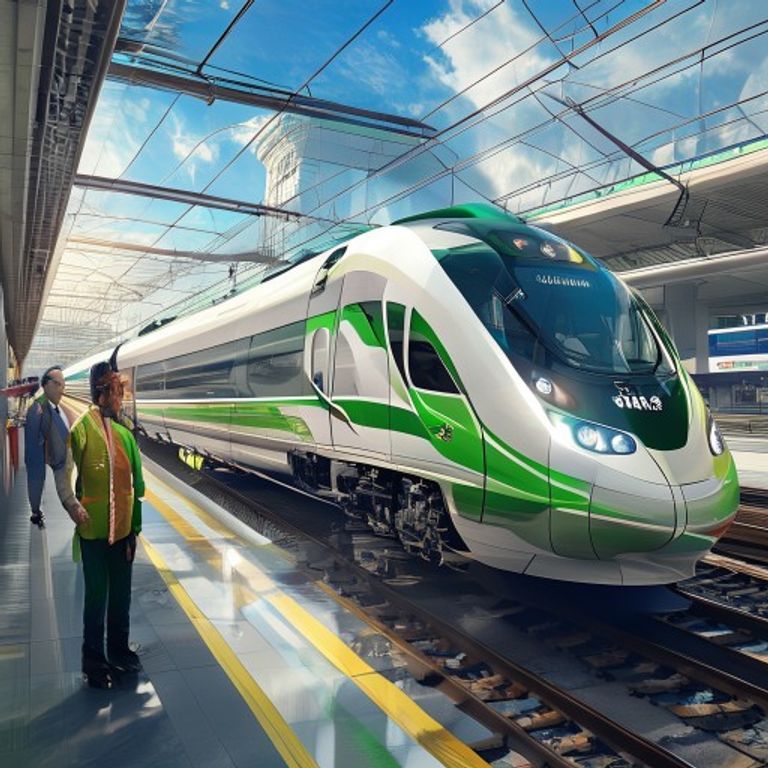
India’s Hydrogen Train: A World First in Sustainable Rail Travel
India has officially unveiled its pioneering hydrogen train, a monumental stride in sustainable transportation that positions the nation at the forefront of global green rail innovation. This indigenous marvel, boasting an impressive 10-coach configuration, stands unique in the world, far exceeding the 2-3 coach offerings seen in other operational or testing hydrogen train models globally. The introduction of India’s hydrogen train marks a pivotal moment for Indian Railways, showcasing its unwavering commitment to decarbonization and a future powered by clean energy.
Developed under the ‘Make in India’ initiative, this groundbreaking train, initially slated for operations on heritage routes, signifies a transformative leap for the nation’s vast railway network. While other countries have made commendable progress in integrating hydrogen technology into their rail systems, India’s approach to scaling up passenger capacity with a 10-coach design sets a new global benchmark for mainline applications. This ambitious project not only underscores India’s technological prowess but also its dedication to fostering an environmentally responsible future, aligning with global climate goals and sustainable development agendas.
The Genesis of Green Rail: A Vision for Tomorrow
The journey towards India’s first hydrogen train began with a clear vision: to revolutionize the country’s rail transport system by embracing clean energy. Indian Railways, one of the world’s largest railway networks, is a significant consumer of diesel, particularly in routes not yet electrified. The transition to hydrogen-powered trains offers a compelling solution to reduce the carbon footprint associated with diesel locomotives, thereby contributing substantially to India’s ambitious target of achieving net-zero emissions by 2070.
The development of this indigenous hydrogen fuel cell-based train system is a testament to the collaborative efforts of Indian engineers, researchers, and policymakers. From conceptualization to execution, the project has focused on leveraging local expertise and resources, reinforcing the ‘Atmanirbhar Bharat’ (Self-Reliant India) mission. This self-reliance in cutting-edge transportation technology is crucial for India’s long-term energy security and economic growth, reducing dependence on imported fossil fuels and fostering domestic industrial capabilities.
Unpacking the Technology: How Hydrogen Trains Work
At the heart of India’s hydrogen train lies advanced fuel cell technology. Unlike traditional trains that burn fossil fuels or draw electricity from overhead lines, hydrogen trains operate by converting hydrogen gas into electricity. This process occurs in onboard fuel cells, where hydrogen reacts with oxygen from the air to produce electricity, with water being the only byproduct. This electrochemical reaction generates power to drive the train’s electric motors, resulting in zero tailpipe emissions.
- Fuel Cells: The core component, converting chemical energy into electrical energy efficiently.
- Hydrogen Storage: High-pressure tanks safely store hydrogen gas, typically on the roof or under the floor of the train coaches.
- Battery Bank: An integrated battery system stores surplus electricity generated by the fuel cells, providing additional power during acceleration and capturing regenerative braking energy.
- Electric Motors: Standard electric traction motors, similar to those in electric trains, are used to propel the coaches.
- Zero Emissions: The primary advantage is the emission of only water vapor, completely eliminating greenhouse gases and particulate matter associated with diesel combustion.
This sophisticated integration of hydrogen fuel cells, energy storage, and electric propulsion systems makes the hydrogen train an exceptionally clean and efficient mode of transport. The operational efficiency and environmental benefits position it as a viable alternative for routes where electrification is not economically feasible or technically challenging, offering a flexible solution for decarbonizing extensive rail networks.
A Global Game Changer: India’s Longest Hydrogen Train
The global railway industry has been steadily exploring hydrogen technology for several years. Countries like Germany, France, and Japan have successfully piloted and even deployed hydrogen trains, primarily for regional and non-electrified routes. These early adopters, however, typically feature trains with two to three passenger coaches, designed for specific niche applications or as initial testing platforms.
India’s decision to launch a 10-coach hydrogen train signifies a bold departure from this norm and addresses the high passenger density characteristic of Indian railways. This extended length allows for greater passenger capacity, making it suitable for busier routes and potentially even intercity travel, rather than being limited to light rail or short-distance applications. This makes India’s hydrogen train the longest of its kind in terms of passenger capacity and configuration, demonstrating a scalable model for green mass transit.
This achievement not only showcases India’s engineering capabilities but also provides a blueprint for other nations grappling with the challenge of decarbonizing high-traffic railway corridors. The ability to deploy a hydrogen train of this magnitude opens up new possibilities for main line operations, proving that hydrogen can be a robust and scalable solution for heavy-duty transportation, moving beyond mere demonstration projects.
Environmental Stewardship and Economic Prosperity
The environmental advantages of India’s hydrogen train are profound. By eliminating diesel consumption, the train drastically reduces harmful emissions, including carbon dioxide, nitrogen oxides, and particulate matter, which contribute to air pollution and climate change. This move is critical for India, a nation facing significant environmental challenges due to rapid industrialization and urbanization.
Beyond environmental benefits, the project carries substantial economic implications. The domestic development and manufacturing of hydrogen trains foster a new industry segment, creating jobs in research, manufacturing, infrastructure development, and maintenance. Furthermore, the push for hydrogen as a fuel source stimulates investment in green hydrogen production, potentially leading to a robust domestic hydrogen economy. This reduces India’s reliance on volatile global crude oil markets, enhancing energy security and stabilizing operational costs for the railways in the long run.
The long-term vision includes developing a comprehensive ecosystem around hydrogen infrastructure, including dedicated hydrogen production facilities, storage solutions, and extensive refueling networks across the country. This holistic approach not only supports the hydrogen train initiative but also lays the groundwork for broader adoption of hydrogen in other transport sectors, such as road freight and public transport, positioning India as a leader in the global hydrogen economy.
Challenges and the Roadmap Ahead
While the advent of India’s hydrogen train is a landmark achievement, the path forward is not without challenges. Key areas that require sustained focus include:
- Infrastructure Development: Establishing a widespread network of hydrogen fueling stations across the country is paramount for the scalable deployment of these trains. This requires significant investment and strategic planning.
- Cost-Effectiveness: The initial capital expenditure for hydrogen trains and their associated infrastructure is currently higher than traditional diesel or fully electric systems. Efforts are needed to bring down costs through technological advancements, economies of scale, and supportive government policies.
- Hydrogen Production: Ensuring a consistent supply of green hydrogen (produced using renewable energy) is crucial for the environmental credibility of the project. This involves scaling up renewable energy capacities and developing efficient electrolysis technologies.
- Safety Standards: Developing and implementing stringent safety protocols for the storage, transportation, and handling of hydrogen is essential, given its flammable nature.
Indian Railways, however, is committed to addressing these challenges through phased implementation. The initial deployment on heritage routes serves as a pilot to refine technology, understand operational dynamics, and build necessary infrastructure. Lessons learned from these early operations will inform future expansions to main line corridors, gradually integrating hydrogen trains into the broader network and solidifying India’s position as a pioneer in sustainable rail technology.
Conclusion: A New Era for Indian Railways and Beyond
The launch of India’s first 10-coach hydrogen train represents more than just a technological milestone; it symbolizes a paradigm shift in how nations approach sustainable transportation. By unveiling the world’s longest hydrogen-powered passenger train, Indian Railways has not only demonstrated its innovative spirit but also underscored its commitment to a cleaner, greener future.
This ambitious project is a beacon of hope for global efforts to combat climate change, offering a tangible solution for decarbonizing one of the most emissions-intensive sectors. As India continues to expand its hydrogen train fleet and associated infrastructure, it will undoubtedly inspire other nations to accelerate their own transitions to sustainable transport systems. The roar of the diesel engine is slowly giving way to the quiet efficiency of hydrogen, heralding a new era of environmentally responsible and technologically advanced rail travel, with India leading the charge.