
 By NewsMatrix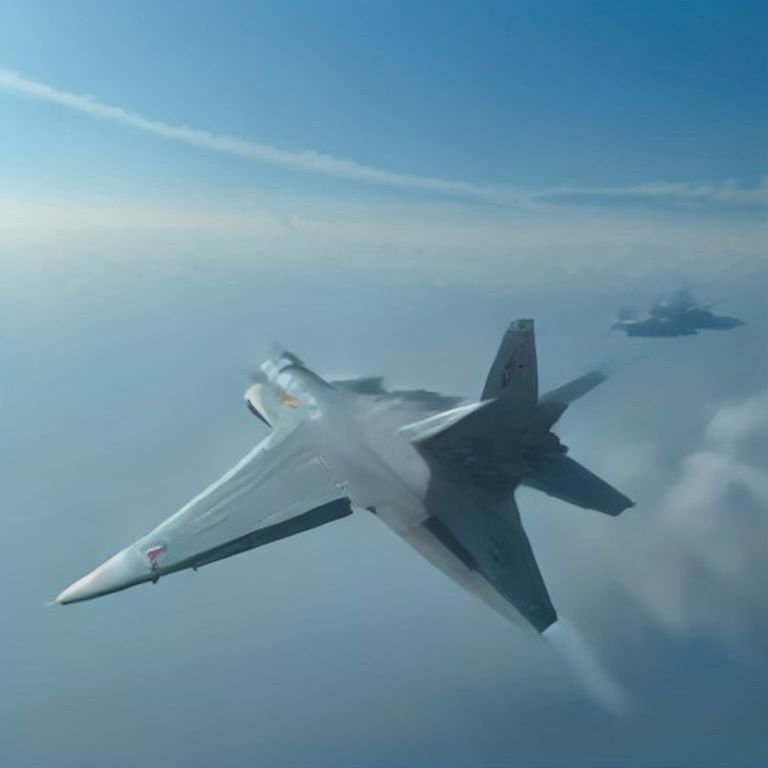
India’s Future Air Combat: Charting a Course with Global Fighter Programs
In a bold and strategic move signaling its intent to be a key player in the next generation of aerial warfare, India is actively engaging with two of the world’s most ambitious future fighter programs. New Delhi has formally joined the UK-Japan-Italy Global Combat Air Programme (GCAP) as a dialogue partner and is simultaneously exploring a potential pathway with France’s Future Combat Air System (FCAS) project. This dual-track engagement positions India at the forefront of shaping India’s Future Air Combat landscape globally, ensuring its air force remains equipped with cutting-edge capabilities and maintains a technological edge in an increasingly complex geopolitical environment. These sixth-generation platforms are envisioned to transcend current fighter capabilities, incorporating revolutionary advancements such as artificial intelligence (AI), manned-unmanned teaming, and directed-energy weapons, fundamentally redefining air superiority.
The Dawn of Sixth-Generation Airpower
The concept of a “sixth-generation fighter” represents a significant leap from the fifth-generation aircraft like the F-35 and Su-57. While fifth-generation fighters focused on stealth, integrated avionics, and supercruise, the sixth generation is expected to push boundaries further, integrating disruptive technologies that will transform air combat tactics and strategies. Key features anticipated in these advanced platforms include:
- Advanced AI Integration: AI will be deeply embedded in every aspect, from mission planning and sensor fusion to real-time decision-making, allowing the aircraft to operate with unprecedented autonomy and efficiency.
- Manned-Unmanned Teaming (MUT): Sixth-generation fighters will serve as command nodes for swarms of loyal wingmen drones, enhancing situational awareness, extending sensor reach, and increasing combat effectiveness while reducing risk to human pilots.
- Directed-Energy Weapons (DEW): The potential inclusion of lasers or high-power microwaves for defensive measures against missiles or offensive engagement of targets, offering unlimited ammunition and precision.
- Enhanced Stealth and Signature Management: Beyond radar cross-section reduction, these fighters will aim for all-aspect, broadband stealth, including infrared and radio frequency emission control.
- Hypersonic Capabilities: While not universally confirmed, some designs may incorporate elements enabling high-supersonic or even hypersonic flight for rapid target interception and evasion.
- Network-Centric Warfare: Seamless integration into a broader combat network, sharing data and coordinating operations with ground, naval, and space assets in real-time.
- Adaptive Engines: Propulsion systems capable of optimizing thrust and fuel efficiency across a wide range of flight conditions.
India’s strategic interest in these programs underscores its commitment to securing its skies and projecting power in the Indo-Pacific region and beyond. By participating in the early stages of development, New Delhi aims to influence design, foster technology transfer, and potentially co-produce components, aligning with its “Make in India” initiative.
GCAP: A Trilateral Alliance with Indian Dialogue
The Global Combat Air Programme (GCAP), a collaborative effort between the United Kingdom, Japan, and Italy, aims to develop a next-generation fighter aircraft to replace their current fleets (Eurofighter Typhoon for UK/Italy, F-2 for Japan) by 2035. India’s recent elevation to a dialogue partner in GCAP marks a significant diplomatic and strategic success. This engagement allows India to:
- Gain Insider Access: As a dialogue partner, India will have access to discussions and early-stage technological insights into the program, understanding the evolving requirements and design philosophies of a cutting-edge fighter.
- Influence Design Parameters: While not a full member, India’s input can still help shape certain aspects of the aircraft’s development to better suit its unique operational needs and future threats in its theatre.
- Foster Collaboration: This partnership strengthens bilateral ties with the UK, Japan, and Italy, opening avenues for broader defense cooperation and strategic alignment.
- Assess Compatibility: It provides a crucial opportunity for the Indian Air Force (IAF) to evaluate the technological trajectory of GCAP and determine its suitability for future procurement or deeper integration.
The GCAP consortium emphasizes shared development and common operational requirements. For India, engaging with this project offers a diversification of its defense procurement and technology sources, moving beyond its traditional suppliers and fostering new strategic alliances in advanced aerospace research and development.
FCAS: The French Connection and Future Pathways
Concurrently, India is also engaged in discussions regarding France’s Future Combat Air System (FCAS), a Franco-German-Spanish initiative designed to replace the Eurofighter and Rafale fleets from 2040 onwards. FCAS is an ambitious “system of systems” that includes a New Generation Fighter (NGF), remote carriers (drones), and a combat cloud for network-centric operations.
India’s historical and robust defense relationship with France, particularly in aerospace with the acquisition of Rafale fighter jets and ongoing submarine programs, provides a natural foundation for exploring FCAS. This engagement could offer:
- Deepened Strategic Partnership: Further collaboration on FCAS would cement the India-France strategic partnership, which is vital for India’s defense modernization and geopolitical balancing.
- Tailored Solutions: France has a history of offering technology transfer and customization, which could be attractive for India’s goal of indigenous defense manufacturing.
- Alternative Technology Stream: Engaging with FCAS provides India with an alternative or complementary technological pathway, mitigating risks associated with relying on a single program or consortium.
- Rafale Fleet Synergy: Potential for a future FCAS variant to integrate seamlessly with India’s existing Rafale fleet, enhancing interoperability and reducing logistical complexities.
The discussions with France are critical, as they present a potential pathway for India to be involved in another major European sixth-generation project, showcasing New Delhi’s growing influence and strategic flexibility in navigating complex international defense collaborations.
Strategic Imperatives for India
India’s proactive engagement in these programs is driven by several strategic imperatives:
- Maintaining Air Dominance: With evolving threats in its neighborhood and beyond, particularly from peer competitors, ensuring the IAF possesses the most advanced air combat capabilities is paramount.
- Indigenous Development & Self-Reliance: Participation allows India to absorb critical technologies, foster its domestic aerospace industry, and reduce reliance on foreign imports in the long term, aligning with the “Atmanirbhar Bharat” (Self-Reliant India) vision.
- Technology Transfer and Skill Development: These partnerships offer invaluable opportunities for Indian scientists and engineers to collaborate on cutting-edge research, leading to skill enhancement and technological absorption.
- Strengthening Global Strategic Partnerships: By joining or exploring these programs, India strengthens its relationships with key global powers, enhancing its diplomatic leverage and security architecture.
- Shaping the Future of Air Combat: India’s involvement at this early stage means it can contribute to the conceptualization and development of future warfare doctrines and technologies, rather than merely being a recipient.
Challenges and Opportunities Ahead
While the opportunities are immense, challenges remain. Navigating the complexities of international collaboration, managing differing national interests, securing favorable terms for technology transfer, and allocating substantial financial resources will be crucial. India will need to carefully balance its roles as a dialogue partner and a potential full-fledged contributor, ensuring its national interests are met.
The sheer cost and technological complexity of sixth-generation fighters necessitate international collaboration. India’s unique position, with a large defense budget, a growing industrial base, and a strategic location, makes it an attractive partner for these advanced programs. Its involvement could provide crucial funding, expertise, and a significant market for future aircraft.
Conclusion: India Ascends in Global Airpower
India’s strategic foray into both the GCAP and FCAS programs marks a pivotal moment in its defense modernization journey. By actively engaging with leading global powers on future air combat technologies, New Delhi is not merely an observer but an influential participant in defining the next era of aerial warfare. This dual-pronged approach reflects India’s pragmatic strategy to diversify its technological partners, secure access to the most advanced defense systems, and bolster its indigenous capabilities. As sixth-generation fighters with AI, directed-energy weapons, and other revolutionary features transition from concept to reality, India’s Future Air Combat role will be instrumental in shaping global security dynamics, solidifying its position as a major aerospace power on the world stage.