
 By NewsMatrix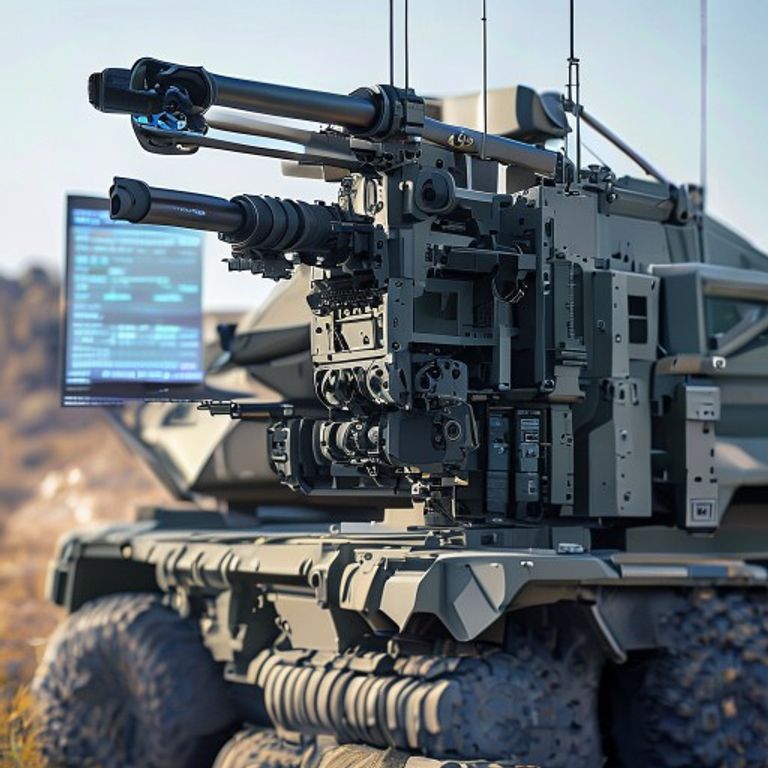
Introduction
India has officially unveiled the Bhargavastra counter-drone system, marking a significant leap forward in the nation’s defense capabilities against the rapidly evolving threat of unmanned aerial vehicles (UAVs). This indigenous, vehicle-mounted platform represents a paradigm shift in how armed forces can effectively neutralize autonomous drones and coordinated swarms. The Bhargavastra counter-drone system is not merely an incremental improvement but a comprehensive, integrated solution designed to address the complexities of modern aerial threats, offering a robust and cost-effective defense mechanism that promises to reshape tactical engagements and strategic deterrence in the digital age. Its emergence underscores India’s growing prowess in developing sophisticated defense technologies, positioning the country at the forefront of anti-drone innovation globally.
The Evolving Drone Threat Landscape
The proliferation of drone technology, once primarily a tool for surveillance or hobbyists, has dramatically transformed the landscape of modern warfare. From small, commercially available quadcopters to advanced military-grade UAVs, drones now pose a multifaceted threat. They can be used for reconnaissance, precision strikes, and, increasingly, in coordinated swarms that overwhelm traditional air defense systems. These swarms, often operating autonomously or semi-autonomously, present a significant challenge due to their sheer numbers, diverse flight patterns, and ability to adapt to countermeasures. They can be utilized by state actors, non-state actors, and even terrorist organizations, making the development of effective counter-drone systems an urgent priority for nations worldwide. The low cost and easy availability of many drone components further exacerbate this threat, creating a scenario where a relatively inexpensive swarm can inflict substantial damage or disruption on high-value targets. This growing asymmetry in aerial warfare necessitates innovative and adaptable defense solutions, a need that Bhargavastra aims to meet head-on. The system’s design considers both individual autonomous threats and the complex algorithmic coordination inherent in advanced drone swarm attacks, offering a layered response that enhances overall defense posture.
Unpacking Bhargavastra’s Advanced Capabilities
At the heart of the Bhargavastra system lies its sophisticated integration of advanced sensors and a dual-layered kill mechanism, all housed within a mobile, vehicle-mounted platform. This design philosophy emphasizes mobility, rapid deployment, and adaptability, crucial features for responding to dynamic aerial threats across varied terrains and operational environments. The system’s advanced sensors are capable of detecting, tracking, and classifying a wide range of UAVs, from micro-drones to larger combat drones, even in challenging conditions such as adverse weather or electromagnetic interference. These sensors employ a combination of radar, electro-optical/infrared (EO/IR) systems, and acoustic detection, allowing for a comprehensive situational awareness picture. The data collected by these sensors is processed by advanced algorithms, likely incorporating elements of artificial intelligence and machine learning, to accurately identify threats, predict their trajectories, and prioritize targets. This intelligent target acquisition is critical for effectively engaging fast-moving and often evasive drone swarms, ensuring that resources are allocated efficiently and threats are neutralized before they can reach their intended targets. The vehicle-mounted nature of Bhargavastra also provides tactical flexibility, enabling its deployment to frontline positions, critical infrastructure protection sites, or mobile convoys, significantly enhancing their defensive capabilities against aerial incursions. The system’s robust construction ensures its operational readiness even in harsh military environments, further solidifying its role as a vital asset in modern defense.
Dual-Layered Defense: Micro-Rockets and Precision Missiles
The most distinctive feature of the Bhargavastra counter-drone system is its innovative dual-layered kill mechanism. This approach combines two distinct types of interceptors: micro-rockets and precision-guided micro-missiles. This combination offers a flexible and scalable response, allowing operators to choose the most appropriate countermeasure based on the nature, size, and proximity of the incoming drone threat.
- Micro-rockets are designed for area-denial and engaging multiple targets within a swarm. When a large group of drones is detected, these rockets can be launched to create a destructive zone, effectively disrupting and neutralizing a significant portion of the swarm simultaneously. Their primary advantage lies in their ability to rapidly deploy a high volume of interceptors, overwhelming the incoming threat and degrading its coordinated attack capability. This is particularly effective against less agile or smaller drones that might be part of a larger swarm, where individual targeting would be inefficient or impractical.
- Complementing the micro-rockets are precision-guided micro-missiles. These munitions are designed for high-accuracy engagement of individual, high-value, or particularly agile drones. When a specific drone poses a more significant threat, or when a precise kinetic kill is required, these missiles can be deployed. Their guidance systems ensure a high probability of hit, making them ideal for neutralizing autonomous drones that might be carrying sensitive payloads or attempting to bypass initial defenses. The precision aspect minimizes collateral damage, an important consideration in many operational scenarios.
The interplay between these two layers provides operators with a comprehensive toolkit. For instance, an initial wave of micro-rockets might be used to thin out a large swarm, followed by precision-guided micro-missiles to eliminate any remaining critical drones. This adaptive response mechanism maximizes the system’s effectiveness while optimizing the use of its munitions, ensuring that the appropriate level of force is applied to each threat. This dual-layered strategy reflects a deep understanding of the diverse and complex nature of contemporary drone threats, offering a nuanced and highly effective solution.
Strategic Advantages and Cost-Effectiveness
Beyond its technological prowess, Bhargavastra offers significant strategic advantages, particularly its cost-effectiveness. Traditional air defense systems, often designed to counter manned aircraft or large missiles, are prohibitively expensive to operate and maintain when dealing with the sheer volume and low cost of modern drone threats. Using such systems against drones would quickly exhaust resources and prove economically unsustainable. Bhargavastra, by contrast, provides a tailored solution that uses relatively inexpensive interceptors designed specifically for drones, making it a far more sustainable option for long-term counter-drone operations. This cost-efficiency allows armed forces to maintain a robust defense posture without disproportionately draining their budgets, freeing up resources for other critical defense investments.
Furthermore, the system’s vehicle-mounted nature provides unmatched mobility and operational flexibility. It can be rapidly redeployed to protect dynamic assets, temporary installations, or forward operating bases, adapting to the fluid nature of modern combat zones. This mobility, combined with its advanced detection and engagement capabilities, ensures that critical areas remain protected against aerial threats, enhancing overall force protection and operational continuity. The ability to quickly relocate the system also makes it less vulnerable to counter-attacks, increasing its survivability on the battlefield.
Seamless Integration and Future Implications
A critical design parameter for Bhargavastra was its seamless integration with existing armed forces networks. This means the system is not a standalone unit but rather a connected component within a broader command, control, communications, computers, intelligence, surveillance, and reconnaissance (C4ISR) framework. Such integration allows for real-time data sharing, collaborative threat assessment, and coordinated response efforts with other air defense assets, ground units, and command centers. This interoperability ensures that Bhargavastra can contribute to a unified air picture, enhancing overall situational awareness and enabling rapid decision-making in complex operational environments. The data from Bhargavastra’s advanced sensors can feed into central intelligence systems, improving threat intelligence and enabling proactive defense strategies.
The future implications of Bhargavastra are profound. It not only addresses an immediate and growing threat but also positions India as a leader in developing advanced, indigenous defense technologies. The system’s modular design suggests potential for future upgrades and adaptations, ensuring its relevance as drone technology continues to evolve. Moreover, the successful development and deployment of such a sophisticated system could open avenues for export to allied nations, further strengthening India’s defense industry and its strategic partnerships. This contributes to the vision of “Atmanirbhar Bharat” (Self-Reliant India) in defense manufacturing, reducing reliance on foreign imports and fostering domestic innovation.
Global Impact and India’s Defense Autonomy
The unveiling of Bhargavastra has significant global implications. As drone warfare becomes more prevalent, nations worldwide are seeking effective and affordable counter-measures. Bhargavastra’s blend of advanced technology, mobility, and cost-effectiveness makes it an attractive solution for many defense establishments. India’s success in developing such a system demonstrates its commitment to enhancing its own security and contributing to global stability by offering solutions to common defense challenges. This also solidifies India’s position as a significant player in the international defense technology market, capable of producing cutting-edge systems that rival those from established global defense manufacturers.
For India, Bhargavastra is a testament to its drive for defense autonomy. Reducing dependence on foreign suppliers for critical defense technologies is a strategic imperative, ensuring national security interests are met through indigenous innovation and production. This system is a prime example of how India is leveraging its scientific and engineering talent to create solutions that are tailored to its unique operational requirements and strategic landscape. The expertise gained from developing Bhargavastra will undoubtedly foster further research and development in other areas of defense technology, creating a virtuous cycle of innovation and self-reliance. It represents a concrete step towards building a resilient, technologically advanced military capable of addressing both current and future threats independently.
Conclusion
The Bhargavastra counter-drone system represents a landmark achievement for India, offering a sophisticated, vehicle-mounted solution to the increasingly complex challenges posed by autonomous drones and coordinated swarms. With its advanced sensors, dual-layered kill mechanism employing micro-rockets and precision-guided micro-missiles, and seamless integration capabilities, Bhargavastra stands as a potent defense asset. It embodies a cost-effective approach to modern aerial defense, ensuring that armed forces can maintain superior protection without incurring unsustainable expenditures. This indigenous innovation not only significantly bolsters India’s national security but also reinforces its position as a global leader in defense technology development. As the world grapples with the ever-evolving nature of drone warfare, the Bhargavastra counter-drone system emerges as a crucial answer, demonstrating India’s unwavering commitment to fostering self-reliance and technological excellence in safeguarding its skies. Its deployment marks a new era in counter-drone operations, setting a benchmark for future defense strategies worldwide.