
 By NewsMatrix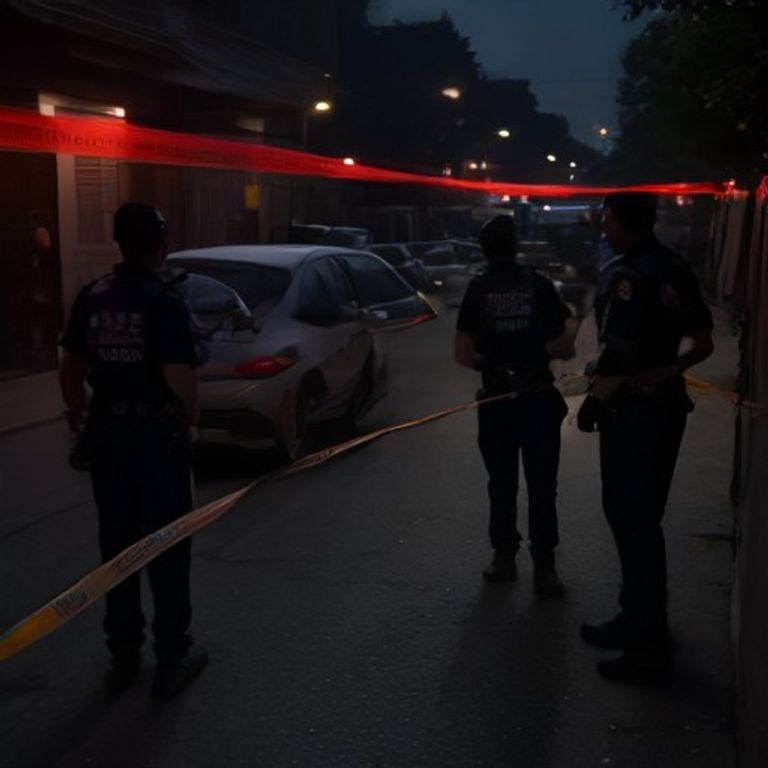
Haryanvi Singer Ankit Balyan Murder Rocks Shamli: Investigation Underway Amidst Protests
Shamli, Uttar Pradesh – The peaceful town of Shamli has been gripped by shock and outrage following the brutal Haryanvi singer Ankit Balyan murder outside a local gym. Ankit Balyan, a prominent Haryanvi singer who had carved a significant niche in the regional music landscape, was fatally shot by four unidentified assailants on two motorcycles as he exited his fitness center. The brazen daylight attack has not only sent a ripple of fear through the community but has also ignited widespread protests, with demonstrators blocking a major thoroughfare and demanding swift justice for the popular artist. Authorities have launched a comprehensive investigation, meticulously examining CCTV footage and exploring a potential nexus with criminal elements in neighboring Haryana. As the probe intensifies, no arrests have been made, leaving the public clamoring for answers and the police under immense pressure to apprehend those responsible for this heinous crime. This tragic incident underscores persistent concerns about law and order in the region and the vulnerability of public figures to targeted violence.
The Tragic Incident: A Daylight Execution
The horrifying events unfolded on a fateful afternoon in Shamli, transforming a routine visit to the gym into a scene of unspeakable tragedy. According to eyewitness accounts and preliminary police reports, Ankit Balyan, after completing his workout, was stepping out of the fitness facility when he was ambushed. Four assailants, their faces obscured, swiftly approached on two motorcycles. Without warning, they opened fire at point-blank range, riddling Balyan with bullets before making a rapid escape into the labyrinthine streets of Shamli. The sudden volley of gunshots shattered the midday calm, drawing immediate attention from passersby and local shopkeepers. The victim collapsed on the spot, succumbing to his grievous injuries almost instantly. The swift and professional nature of the attack suggests a well-planned operation, raising alarming questions about the motives behind such a public and brutal assassination. The audacity of the criminals to execute their plan in broad daylight, in a relatively busy area, highlights a concerning disregard for law enforcement and public safety. Emergency services were immediately alerted, but by the time medical assistance arrived, it was tragically too late for the young singer. The crime scene was quickly cordoned off, becoming a focal point for investigators as they began the arduous task of gathering evidence.
Initial responders from the local police station secured the perimeter, preventing contamination of crucial forensic evidence. Forensic teams were dispatched, meticulously collecting shell casings, examining bullet trajectories, and searching for any overlooked clues that could lead them to the perpetrators. The incident sent immediate shockwaves through the local community, with many struggling to come to terms with the sudden and violent loss of a beloved figure. The brazenness of the attack has fueled public anger and disbelief, with residents expressing deep concerns over the escalating crime rates and the perceived ineffectiveness of law enforcement in maintaining peace and order. This tragic event serves as a stark reminder of the challenges faced by authorities in curbing organized crime and ensuring the safety of its citizens, particularly those who achieve public prominence.
Ankit Balyan: A Voice Silenced Too Soon
Ankit Balyan was more than just a singer; he was a cultural icon in the Haryanvi music scene, celebrated for his soulful voice, energetic performances, and original compositions that resonated deeply with audiences across Haryana and parts of Uttar Pradesh. Born and raised in the region, Balyan’s music often depicted local folklore, rural life, and contemporary social themes, earning him a massive following among the youth and older generations alike. His rise to prominence was a testament to his talent, hard work, and dedication, establishing him as a torchbearer for Haryanvi folk and modern music. He had numerous hit songs to his credit, with millions of views on digital platforms, making him a household name in the regional entertainment industry. His concerts and public appearances were always met with enthusiastic crowds, underscoring his immense popularity and influence.
Beyond his musical prowess, Balyan was known for his amicable nature and philanthropic endeavors, often participating in community events and advocating for various social causes. His untimely demise has left a void that will be difficult to fill, not just for his family and friends, but for the entire Haryanvi music fraternity and his legion of fans. Colleagues from the industry have expressed profound grief and shock, remembering him as a vibrant and promising artist whose career was tragically cut short. Tributes have poured in from fellow musicians, producers, and public figures, highlighting his significant contributions to regional art and culture. His loss is keenly felt as a blow to the rich cultural tapestry of Haryana, and many fear the chilling effect this incident might have on aspiring artists in the region, who might now perceive their profession as fraught with unforeseen dangers. His legacy, however, will undoubtedly continue to inspire future generations of Haryanvi musicians, even as the circumstances of his death cast a long shadow over his achievements.
The Police Investigation: Unraveling a Complex Web
In the wake of the murder, the Shamli police have launched an intensive investigation, deploying multiple teams to pursue various leads. A primary focus of the probe is the meticulous examination of CCTV footage from the gym and surrounding areas. Investigators are painstakingly sifting through hours of surveillance tapes, hoping to identify the assailants, trace their escape route, and potentially glean clues about their vehicles or any distinguishing features. The quality of available footage and the angle of the cameras will be crucial in this endeavor, with forensic video analysis experts likely being engaged to enhance and clarify any blurry images. Senior police officials have confirmed that all angles are being explored, including personal enmity, professional rivalry, and any potential connections to organized crime syndicates.
One significant line of inquiry is a possible link to criminal networks operating in Haryana. Given Balyan’s prominence in the Haryanvi music scene, investigators are probing whether his death is connected to disputes or threats originating from across the state border. Inter-state cooperation between the police forces of Uttar Pradesh and Haryana is expected to be vital in pursuing this lead. Police sources indicate that call detail records (CDRs) of the victim and his associates are being analyzed to identify any suspicious communications or patterns. Furthermore, individuals close to Balyan, including his family, friends, and business associates, are being interviewed extensively to gather information about his recent activities, conflicts, or any threats he might have received. The police have also appealed to the public for any information that could assist in the investigation, assuring anonymity to potential informants. The pressure on law enforcement is mounting, as the public eagerly awaits breakthroughs and demands that the perpetrators be brought to justice swiftly. The complexity of the case, involving multiple assailants and a potential inter-state dimension, presents significant challenges for the investigating teams. They are committed to leaving no stone unturned in their pursuit of truth and justice.
Special task forces have been constituted, comprising experienced detectives and cyber-crime experts, to tackle the intricate nature of the case. These teams are working round the clock, leveraging advanced investigative techniques to piece together the sequence of events and identify the individuals responsible. The geographical proximity of Shamli to the Haryana border often means that criminal elements can easily cross state lines to evade capture, adding another layer of complexity to the investigation. This necessitates close coordination and intelligence sharing between the police departments of both states. Authorities are also examining Balyan’s financial dealings and professional contracts, looking for any irregularities or disputes that could shed light on a potential motive. The sheer volume of data and the need to sift through numerous possibilities underscore the challenging nature of modern criminal investigations, especially when dealing with high-profile victims. The police remain optimistic about making progress, emphasizing their commitment to solving the case and restoring public confidence in the rule of law.
Public Outcry and Demand for Justice
The murder of Ankit Balyan has triggered a wave of public anger and grief, manifesting in widespread protests across Shamli. Shortly after the news broke, local residents, joined by fans and members of the Haryanvi music community, took to the streets to express their outrage. Demonstrators blocked a major road, bringing traffic to a standstill and causing significant disruption, as they voiced their demands for immediate action and justice. The protestors, carrying placards and chanting slogans, highlighted concerns about the deteriorating law and order situation in the district and questioned the efficacy of the police in ensuring the safety of its citizens. The blocking of the road, a common form of protest in India, was a clear signal of the community’s deep-seated frustration and their refusal to remain silent in the face of such a shocking crime. Local political leaders and social activists have also joined the chorus, condemning the killing and urging authorities to expedite the investigation and make swift arrests.
The protests underscore the emotional impact of Balyan’s death on the community. His popularity meant that his loss was felt personally by many, transforming the incident from a mere crime statistic into a collective tragedy. The demonstrators emphasized that such brazen acts of violence cannot be tolerated and called for exemplary punishment for the culprits to deter similar incidents in the future. The public’s demand extends beyond just solving this particular case; it reflects a broader desire for improved security measures and a more visible and proactive police presence to prevent crime. Family members of Ankit Balyan, while grappling with their immense personal loss, have also joined the calls for justice, urging the police to work tirelessly until the killers are apprehended. Their anguish and pleas for accountability resonate deeply with the grieving community. The intensity and widespread nature of the protests serve as a powerful reminder to the authorities of the public’s expectation for safety, justice, and effective governance. The pressure from the public will undoubtedly play a role in driving the pace and thoroughness of the ongoing investigation.
Community leaders have stepped forward to organize peaceful vigils and remembrance gatherings, highlighting the positive impact Balyan had on their lives and reinforcing the collective demand for justice. These gatherings serve not only as a means to mourn but also as platforms to discuss broader issues of public safety and the need for greater accountability from law enforcement agencies. The local administration has been actively engaging with protest leaders, attempting to defuse tensions and assure them of the police’s dedicated efforts. However, the sentiment among the public remains one of cautious skepticism, with many stating that they will only be satisfied once concrete arrests are made and justice is visibly served. The incident has also sparked a debate on the safety of artists and public figures in the region, prompting calls for better protection mechanisms for those who live in the public eye. The ripple effect of this murder extends beyond the immediate crime, touching upon fundamental questions of societal security and the state’s capacity to uphold the rule of law.
The Broader Context: Crime and Law Enforcement Challenges
The murder of Ankit Balyan, while a singular tragedy, also brings to the forefront larger issues concerning crime and the challenges faced by law enforcement agencies in Uttar Pradesh and neighboring regions. Uttar Pradesh, a large and densely populated state, has historically grappled with complex law and order situations, including organized crime, gang rivalries, and incidents of targeted violence. The porous borders with neighboring states like Haryana often facilitate the movement of criminals and illegal arms, making inter-state crime a persistent challenge. The Haryanvi music industry, despite its cultural vibrancy, has not been immune to such external pressures, with past incidents hinting at underlying tensions or criminal involvement.
The current incident highlights the sophistication with which criminal elements can operate, planning and executing high-profile assassinations in seemingly public spaces. This raises concerns about intelligence gathering, preventive policing, and the overall effectiveness of strategies designed to deter such brazen acts. While the police force is often stretched thin, dealing with a myriad of crimes, incidents like Balyan’s murder serve as critical tests of their capabilities and resolve. The focus on CCTV footage is a testament to the increasing reliance on technology in crime detection, yet it also underscores the limitations when assailants take precautions to conceal their identities. The successful apprehension of the culprits in this case will not only deliver justice for Ankit Balyan but will also send a strong message to criminal elements that such acts will not go unpunished, potentially restoring public confidence in the state’s law enforcement machinery. It also prompts a renewed discussion on the need for community policing initiatives, wherein local residents and police work collaboratively to enhance safety and intelligence gathering, creating a more secure environment for everyone. The intricate dance between crime prevention, rapid response, and thorough investigation forms the bedrock of a robust justice system, a system currently under intense scrutiny in the wake of this tragic event.
Furthermore, the incident has reignited discussions about the nature of celebrity and public life in regional contexts, where artists might face unique pressures and threats that are less visible in larger, more mainstream entertainment industries. The vulnerability of individuals who gain public fame, particularly in regions where social dynamics can be complex and rivalries intense, is a critical aspect that often gets overlooked. The resources available to local police departments, including manpower, training, and access to advanced forensic tools, are also factors that influence the speed and success of investigations. Continuous investment in modernizing police infrastructure and enhancing the skills of personnel is crucial to effectively combat contemporary crime. The political will to address these systemic challenges and implement long-term solutions will be instrumental in ensuring that similar tragedies are prevented and that a sense of security is restored among the populace. The broader implications of the Ankit Balyan murder extend beyond the immediate sorrow, touching upon the very fabric of law, order, and governance in the region.
Conclusion: Awaiting Justice Amidst Lingering Questions
The murder of Haryanvi singer Ankit Balyan has cast a dark shadow over Shamli, leaving behind a grieving community and a host of unanswered questions. The brutal assassination of a beloved artist in broad daylight has sparked widespread anger and a fervent demand for justice, underscoring the deep impact Balyan had on the lives of many. While the police investigation is in full swing, meticulously piecing together evidence and exploring various motives, the absence of immediate arrests has fueled public anxiety. The potential links to criminal elements in Haryana further complicate the probe, necessitating intricate inter-state coordination and a sustained effort from law enforcement agencies. The protests that erupted are a clear manifestation of the community’s collective anguish and their unwavering demand for accountability and enhanced security. As the days turn into weeks, the pressure on the authorities will only intensify to apprehend the perpetrators and bring them to justice. This tragic incident serves as a stark reminder of the challenges in maintaining law and order and the profound impact of violent crime on public morale. The legacy of Ankit Balyan, a vibrant voice silenced too soon, will continue to resonate, amplifying the calls for a safer society where artists can thrive without fear, and justice is not only sought but also swiftly delivered. The eyes of the nation remain fixed on Shamli, awaiting the closure that only a thorough and successful investigation can bring.