
 By NewsMatrix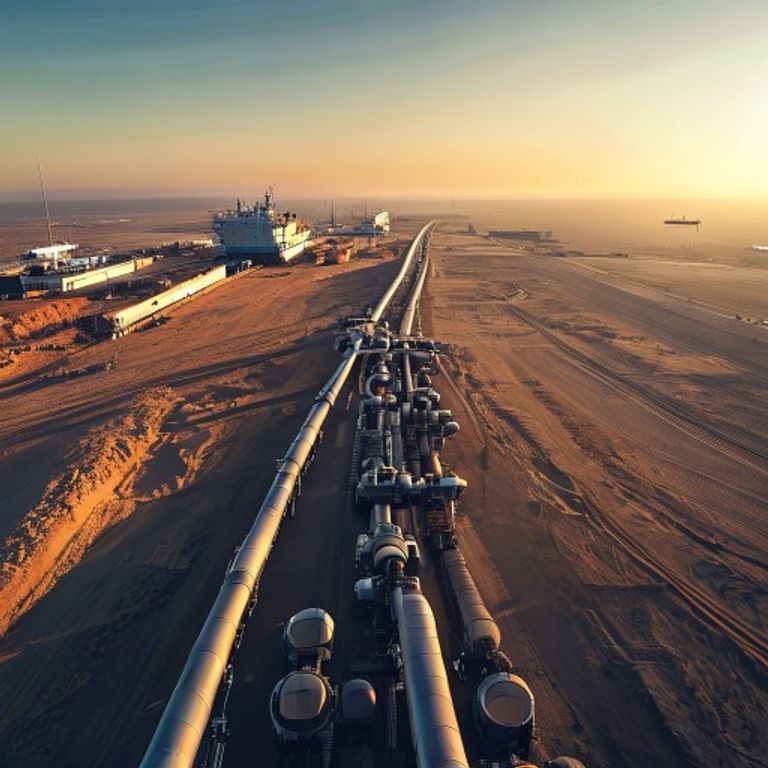
Gulf Nations Forge New Oil Routes: Bypassing the Strait of Hormuz for Energy Security
The strategic and often volatile waters of the Strait of Hormuz, a vital artery for global oil shipments, have long been a focal point of international energy security concerns. As geopolitical tensions simmer and the imperative for uninterrupted energy flow grows, Gulf nations are aggressively accelerating comprehensive pipeline projects designed to bypass the Strait of Hormuz. These ambitious new routes aim to move substantial volumes of crude oil and refined products without relying on the narrow waterway, fundamentally reshaping regional energy infrastructure and enhancing global supply chain resilience.
This widespread diversification effort is driven by a profound understanding of the Strait’s inherent vulnerabilities. Historically, the waterway, which connects the Persian Gulf to the Arabian Sea and the open ocean, has been susceptible to various disruptions, from geopolitical standoffs and military exercises to piracy and accidental blockades. For nations heavily reliant on oil exports, safeguarding these crucial revenues and maintaining market stability is paramount. Consequently, several major pipeline projects are either under vigorous construction or in advanced planning stages, signifying a collective strategic pivot towards enhanced energy autonomy and security.
While these alternative routes promise a more secure conduit for oil exports, they are not without their complexities. The monumental scale of these infrastructure developments entails significant financial investment, presenting both economic opportunities and considerable costs. Furthermore, redirecting vast quantities of oil across new territories introduces a fresh set of logistical and security challenges that require meticulous planning and robust safeguards. The balancing act between mitigating one set of risks and navigating another forms the core of this transformative regional energy strategy.
The Strategic Imperative: Why Bypass Hormuz?
The Strait of Hormuz is arguably the world’s most critical oil chokepoint, with approximately one-fifth of the world’s total oil consumption, or about 21 million barrels per day (bpd), passing through its 21-mile wide channel. This makes it an indispensable conduit for crude oil, refined petroleum products, and liquefied natural gas (LNG) from the major producing nations of the Middle East to global markets. The sheer volume and strategic importance render it a primary concern for international trade and energy security.
The risks associated with such a vital chokepoint are manifold. Geopolitical tensions, particularly involving Iran, have repeatedly escalated concerns about potential blockades or attacks on shipping. Incidents of tanker seizures, mine attacks, and drone strikes in recent years underscore the fragility of the shipping lanes. A prolonged disruption could send oil prices soaring, trigger global economic instability, and even spark wider conflicts. For Gulf Cooperation Council (GCC) states—Saudi Arabia, UAE, Kuwait, Qatar, Bahrain, and Oman—diversifying their export capabilities away from this single point of vulnerability is a matter of national economic survival and strategic independence.
Beyond immediate security concerns, bypassing the Strait of Hormuz also offers economic advantages. It can reduce shipping insurance premiums, which typically spike during periods of heightened tension in the region. Furthermore, it provides greater flexibility in managing oil flows, potentially optimizing transportation costs and reducing transit times for certain destinations. The long-term vision is to create a resilient network that can withstand regional turbulences and ensure uninterrupted access to global energy markets.
Key Bypass Projects Underway and Planned
Several significant projects illustrate the commitment of Gulf nations to this strategic redirection of oil exports:
- UAE’s Habshan-Fujairah Pipeline: One of the most prominent examples is the Abu Dhabi Crude Oil Pipeline (ADCOP), also known as the Habshan-Fujairah pipeline. Completed in 2012, this 370-kilometer pipeline has a capacity of 1.5 million bpd, allowing the UAE to transport a significant portion of its crude oil directly to the port of Fujairah on the Gulf of Oman, bypassing the Strait of Hormuz entirely. Fujairah has since developed into a major oil storage and bunkering hub, further solidifying its role as an alternative export gateway.
- Saudi Arabia’s Petroline Expansion: Saudi Arabia, the world’s largest oil exporter, operates the East-West Pipeline (Petroline), which stretches from its eastern oilfields to the Red Sea port of Yanbu. This pipeline has a substantial capacity, reportedly around 5 million bpd, and has been expanded over the years. While it offers a critical bypass route, continuous investment in its capacity and security remains a priority for the Kingdom to ensure a robust alternative to Hormuz. Plans for further expansion or new parallel pipelines are often discussed as part of Saudi Arabia’s long-term energy strategy.
- Iraq’s Strategic Pipelines: Iraq, another major oil producer, has historically relied on various export routes. While some of its southern exports pass through the Strait, Iraq has also explored and utilized pipelines through Turkey and is continually assessing options for greater flexibility, including potential future routes that could further reduce its reliance on the Persian Gulf shipping lanes.
- Oman’s Diversification Efforts: Oman, uniquely situated with a coastline outside the Strait of Hormuz, benefits from direct access to the Arabian Sea. While it doesn’t need to bypass the Strait for its own exports, its strategic location makes it an attractive partner for regional pipeline projects. Oman has invested in its port infrastructure and storage facilities, positioning itself as a potential transshipment point for other Gulf producers seeking to avoid the Strait.
- Kuwait’s Future Projects: Kuwait, like Saudi Arabia and the UAE, is highly dependent on oil exports through the Strait. While specific large-scale bypass pipelines are not yet as advanced as those in the UAE or Saudi Arabia, Kuwait has expressed long-term ambitions to develop alternative export routes to enhance its energy security and reduce its reliance on the chokepoint. These plans are often discussed in the context of broader regional energy infrastructure integration.
Economic and Geopolitical Implications
The accelerating trend of bypassing the Strait of Hormuz carries profound economic and geopolitical implications for the region and the world. Economically, these pipelines represent colossal investments, creating jobs, stimulating local industries, and fostering technological advancements in infrastructure development. The long-term financial benefits include reduced reliance on costly insurance premiums, greater predictability in supply chains, and potentially more competitive pricing due to enhanced logistical efficiency.
Geopolitically, the shift diversifies regional power dynamics. By reducing vulnerability to the Strait, nations gain greater leverage and strategic depth, lessening the impact of potential regional conflicts or political pressures. It could lead to a more stable energy landscape, albeit one with new points of interest for international security. The emergence of alternative export hubs, such as Fujairah, also transforms regional economic geography, creating new centers of trade and logistics. This decentralization of critical infrastructure can be seen as a de-risking strategy on a grand scale, distributing the points of potential failure and enhancing overall system robustness.
Moreover, these projects reflect a broader strategic alignment among some GCC states on energy policy and security. While individual nations pursue their own interests, the collective effort to ensure oil flows uninterruptedly underscores a shared vision for regional stability and economic prosperity, independent of potential disruptions in the Strait of Hormuz. This collaborative approach, even if not always explicitly stated, strengthens regional cooperation on critical infrastructure.
Challenges and New Risks
Despite the strategic advantages, these alternative routes face their own set of challenges and increased costs. The initial capital expenditure for constructing and maintaining these vast pipeline networks is immense. Environmental considerations, including land acquisition, ecological impact assessments, and adherence to international sustainability standards, add layers of complexity and cost to the projects.
Security remains a paramount concern, albeit shifted from maritime to terrestrial domains. Pipelines traversing thousands of kilometers across diverse terrains are susceptible to various threats, including:
- Terrorism and Sabotage: Land-based infrastructure can be targets for terrorist groups or internal saboteurs, requiring extensive physical security measures, surveillance, and rapid response capabilities.
- Cyberattacks: Modern pipeline operations are highly automated and rely on sophisticated SCADA (Supervisory Control and Data Acquisition) systems. This digital dependence introduces the risk of cyberattacks that could disrupt operations, cause environmental damage, or even lead to catastrophic failures.
- Internal Unrest and Political Instability: While bypassing the Strait mitigates external geopolitical risks, pipelines can still be vulnerable to internal political instability or localized conflicts within the transit countries, necessitating strong governance and community engagement.
- Maintenance and Operational Costs: The upkeep of extensive pipeline networks, including regular inspections, repairs, and technological upgrades, entails significant ongoing operational costs.
Mitigating these new risks requires robust security protocols, advanced monitoring technologies, international cooperation on intelligence sharing, and sophisticated disaster recovery plans. The investment in security infrastructure around these pipelines must be commensurate with the strategic importance of the assets they transport.
Global Impact and Future Outlook
The acceleration of pipeline projects bypassing the Strait of Hormuz is a clear signal of the Gulf nations’ long-term commitment to safeguarding their economic lifelines and contributing to global energy security. These initiatives are not merely defensive measures; they are proactive strategies designed to build resilience into the international oil supply chain.
For global consumers and industries, this diversification offers a greater assurance of stable oil supplies, potentially reducing price volatility associated with geopolitical flare-ups in the Persian Gulf. It reinforces the idea that while chokepoints remain critical, their impact can be mitigated through strategic infrastructure development.
Looking ahead, the trend is likely to continue, with Gulf nations exploring further enhancements to their pipeline networks, potentially including multi-national projects that foster deeper regional integration and shared energy security responsibilities. The success of these bypass routes will depend on sustained investment, effective risk management, and continued regional and international cooperation. The landscape of global oil transportation is undergoing a profound transformation, with the Strait of Hormuz remaining a critical artery, but increasingly complemented by a robust network of overland alternatives, enhancing the world’s energy future.
The ongoing development of these alternative routes underscores a strategic foresight aiming to decouple the region’s economic stability from the inherent vulnerabilities of a single maritime chokepoint. As these projects mature, they will not only redefine regional energy flows but also play a crucial role in the broader architecture of global energy security in the 21st century.