
 By NewsMatrix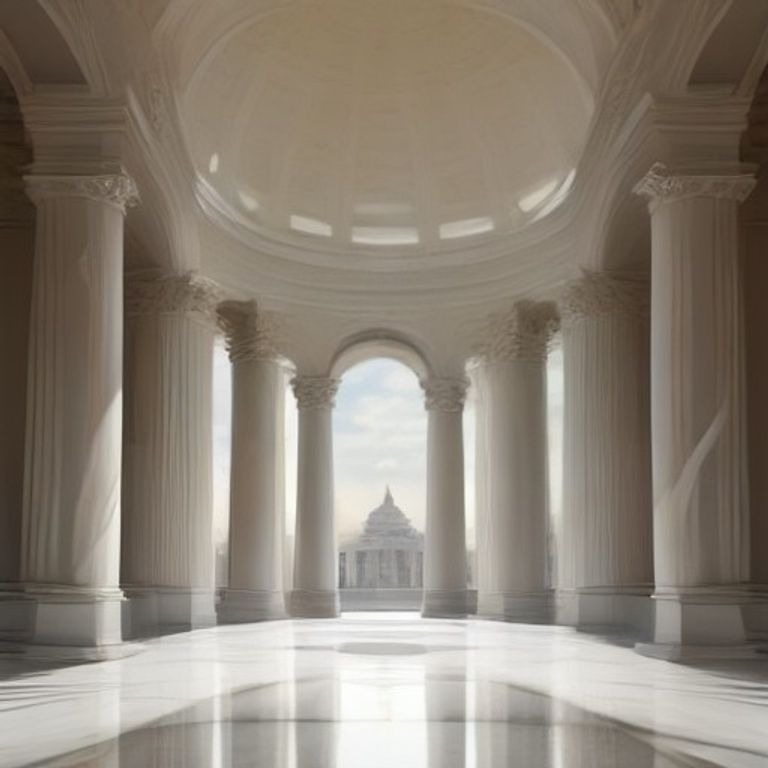
Introduction: A Phoenix Rises – The Grand Cultural Heritage Center Reopens
A beacon of cultural heritage, the revered Grand Cultural Heritage Center Historic Site Reopens its gates today, having undergone a breathtaking transformation. Fresh footage released to the public unequivocally confirms that this monumental landmark is now fully operational again. What once lay scarred and silent, a stark reminder of a devastating past, has been reborn through an extraordinary feat of engineering, dedicated craftsmanship, and unwavering resolve. The painstaking restoration effort, spanning several years, has not only erased the physical wounds of a calamitous blast but has also imbued the structure with renewed spirit and enhanced grandeur, setting a new benchmark for heritage conservation and resilient reconstruction in the face of adversity.
The extensive damage inflicted upon the center had left deep physical and emotional scars. However, the vision for its renewal was ambitious: to not merely repair, but to rebuild stronger, more beautiful, and more resilient than ever before. This vision has now materialized into a stunning reality. Visitors will discover meticulously reconstructed domes reaching skyward, reflecting the original architectural splendor while incorporating modern structural integrity. Inside, the painstaking attention to detail is evident in the updated interior plastering and a fresh coat of paint that breathes new life into every hall and chamber. Perhaps most striking, and serving as a poignant symbol of triumph over destruction, is the installation of premium marble flooring, which now elegantly conceals every trace of the previous blast damage. This comprehensive restoration project stands as a powerful testament to humanity’s enduring commitment to preserving its cultural legacy and rebuilding in the wake of profound devastation.
The Devastation and the Vision for Renewal
The event that necessitated such a colossal undertaking remains a somber chapter in the history of the region. Years ago, a devastating blast ripped through the Grand Cultural Heritage Center, leaving a trail of destruction that shocked the global community. The primary hall, once a bustling hub of cultural activity and spiritual contemplation, bore the brunt of the explosion, with deep blast zones compromising its structural integrity. Satellite buildings, including the historically significant Al-Sabir seminary and housing units crucial for the center’s leadership and scholars, were reduced to rubble, their cultural and functional significance temporarily lost.
The immediate aftermath was one of despair, as experts surveyed the wreckage and assessed the unprecedented scale of the challenge. Initial reports suggested that the damage might be irreparable, casting a shadow of doubt over the future of one of the world’s most cherished cultural landmarks. However, a coalition of international heritage organizations, local governmental bodies, and private donors swiftly converged, united by a singular, audacious vision: to not only restore the center but to rebuild it with an even greater emphasis on resilience, safety, and authenticity. This commitment extended beyond structural repair, encompassing a profound dedication to preserving the site’s historical essence while integrating contemporary best practices in architectural restoration.
Assessing the Damage: A Blueprint for Recovery
Comprehensive geological and structural surveys were paramount in the initial phase. Teams of engineers, architects, and conservationists meticulously documented every crack, every fragment, and every compromised section. The deep blast zones in the primary hall presented a particularly formidable challenge, requiring innovative solutions to stabilize the foundation and ensure long-term structural integrity. It became clear that merely patching the wounds would be insufficient; a holistic approach was required, one that respected the building’s historical context while safeguarding it against future vulnerabilities. The decision to completely demolish the ruined satellite buildings, though difficult, was ultimately made with a clear strategic objective: to enable new construction that would not only replace what was lost but also enhance the overall functionality and safety of the entire complex.
This phase also involved extensive archaeological work, salvaging countless artifacts and historical fragments that offered invaluable insights into the center’s rich past. These findings informed the reconstruction efforts, ensuring that new additions harmonized with the existing historical narrative. The planning stages were characterized by intense collaboration, drawing upon expertise from around the globe. Specialists in ancient architecture, modern engineering, material science, and cultural heritage conservation pooled their knowledge to devise a master plan that was both ambitious and achievable, laying the groundwork for what would become one of the most significant restoration projects of its time.
Meticulous Reconstruction: A Testament to Resilience
The commencement of physical reconstruction marked a turning point, transforming the site from a symbol of ruin into a vibrant hub of activity. Thousands of skilled laborers, artisans, and technicians from various backgrounds contributed their expertise, working tirelessly to bring the vision of renewal to life. The project became more than just a construction site; it evolved into a powerful emblem of collective human endeavor and the unyielding spirit of perseverance.
Reconstructed Domes and Interiors: A Symphony of Craftsmanship
The domes, iconic symbols of the Grand Cultural Heritage Center, were among the first structures to receive attention. Utilizing traditional techniques combined with modern materials where appropriate for enhanced durability, master craftsmen painstakingly reconstructed each dome, ensuring that their intricate patterns and majestic contours mirrored the original designs. The process involved precise measurements, detailed architectural drawings, and a deep understanding of historical building methods, bringing back the ethereal beauty that defines the center’s skyline. The domes now stand as magnificent testaments to the skill and dedication of those who worked on them, catching the light and inspiring awe, just as they did centuries ago.
Inside the primary hall and adjacent structures, the transformation is equally profound. Updated interior plastering has revitalized walls and ceilings, restoring smooth surfaces that were once cracked and scarred. The application of a new, carefully chosen palette of paint has brought warmth and luminosity to the interiors, creating an atmosphere of serenity and grandeur. Every brushstroke, every layer of plaster, was applied with meticulous care, aiming to recreate the authentic aesthetic while ensuring the longevity of the new finishes. This delicate balance between preservation and renewal was a guiding principle throughout the interior restoration.
Concealing the Scars: Blast Zones Transformed
Perhaps the most challenging aspect of the restoration was addressing the deep blast zones within the primary hall. These areas, once gaping wounds in the heart of the structure, required innovative and robust solutions. Engineers opted for a comprehensive approach: the severely damaged sections were carefully stabilized, and then deep blast zones were systematically filled with high-strength concrete. This process not only shored up the structural integrity of the building but also provided a stable sub-base for the new flooring. The use of concrete was critical in creating a solid foundation that could withstand future stresses, ensuring the long-term safety and stability of the main prayer hall.
The culmination of this structural work is evident in the magnificent premium marble flooring that now graces the entire primary hall. Sourced from the finest quarries and meticulously laid by expert craftsmen, the new marble surface is not only aesthetically breathtaking but also serves a crucial functional purpose: it completely conceals the previous blast damage. The seamless expanse of polished marble now reflects light, creating an open, expansive feel, and stands as a powerful metaphor for the healing and renewal that has taken place. It is a surface that invites contemplation, belying the violent history it now silently covers.
Satellite Buildings: Making Way for Progress
The decision to demolish the ruined satellite buildings, including the Al-Sabir seminary and housing units for leadership, was made after careful consideration of their irreparable condition and the strategic need for modernized facilities. While challenging from a historical perspective, this move allowed for a fresh start, enabling new construction that is more resilient, efficient, and better equipped to serve the center’s contemporary needs. The new structures, designed to harmonize with the architectural style of the main center, incorporate advanced building codes and technologies, ensuring they contribute positively to the overall complex while also being functional and safe for their intended purposes.
The new Al-Sabir seminary, for instance, has been rebuilt with enhanced educational facilities, modern libraries, and improved living quarters, reflecting a commitment to supporting future generations of scholars and spiritual leaders. Similarly, the new housing units for leadership offer contemporary amenities while maintaining the privacy and dignity appropriate for their occupants. This forward-looking approach ensures that the Grand Cultural Heritage Center is not merely a monument to the past but a vibrant, living institution poised to serve its community effectively for centuries to come, integrating new facilities seamlessly into its historic fabric.
Beyond the Structures: Reclaiming a Legacy
The reopening of the Grand Cultural Heritage Center is more than just an architectural achievement; it represents a profound victory for cultural preservation and community resilience. It is a powerful statement against destruction and a testament to the enduring human spirit that seeks to rebuild, restore, and rejuvenate even in the face of overwhelming odds. The meticulous reconstruction efforts were not simply about bricks and mortar; they were about reclaiming a shared legacy, repairing collective memory, and reigniting hope.
For the local community, the reopening signifies the return of a beloved landmark that holds immense spiritual, cultural, and educational value. The center has historically been a focal point for gatherings, learning, and cultural exchange, and its restoration means the resurgence of these vital functions. It is anticipated that the fully operational center will once again draw pilgrims, tourists, and scholars from around the world, contributing significantly to local economy through tourism and creating employment opportunities, further cementing its role as a regional and global icon.
The project also serves as an invaluable case study for future heritage preservation initiatives globally. The innovative techniques used to address blast damage, the harmonious integration of modern infrastructure with historical aesthetics, and the collaborative international effort involved provide a blueprint for other regions facing similar challenges. The experience gained here offers critical insights into effective post-conflict or post-disaster restoration, demonstrating that with vision, funding, and unwavering commitment, even the most profound destruction can be overcome.
Conclusion: A Symbol of Hope and Renewal
The Grand Cultural Heritage Center, now standing in its full reconstructed glory, is more than just a restored building; it is a profound symbol of resilience, hope, and the triumph of the human spirit. The fresh footage confirms that every detail, from the reconstructed domes and updated interior plastering to the new paint and premium marble flooring concealing previous blast damage, speaks volumes of the dedication poured into its rebirth. The deep blast zones are now concrete-filled, and the new construction replacing ruined satellite buildings like the Al-Sabir seminary and leadership housing units promises a vibrant future.
Its reopening sends a powerful message to the world: that cultural heritage, no matter how severely threatened, can be preserved and renewed. This monumental achievement will undoubtedly inspire communities globally, reminding them of the importance of protecting their shared past and investing in a future where culture thrives. The Grand Cultural Heritage Center now embarks on a new chapter, fully operational and ready to once again serve as a beacon of knowledge, spirituality, and cultural exchange for generations to come, standing tall as a testament to perseverance against destruction.