
 By NewsMatrix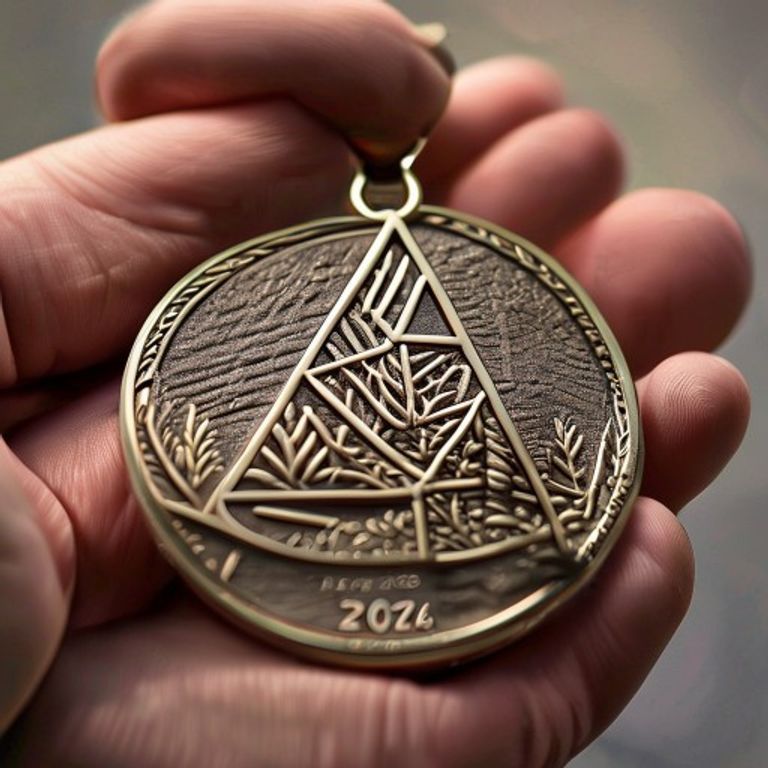
Glasgow 2026 to Unveil Historic Inclusive Medals for Visually Impaired Athletes
Glasgow, Scotland – The countdown to the Glasgow 2026 Commonwealth Games has officially begun with a landmark announcement set to redefine inclusivity in global sports. In a pioneering move, the organisers have revealed plans to introduce historic Glasgow 2026 Inclusive Medals that feature braille and tactile elements, specifically designed to ensure a more equitable and meaningful experience for visually impaired athletes. This innovation marks a significant leap forward in making major international sporting events truly accessible for all competitors, regardless of their visual abilities.
The decision by the Glasgow 2026 organising committee underscores a deep commitment to accessibility, moving beyond mere participation to truly honour the achievements of every athlete. These groundbreaking medals are not just symbols of victory but tangible embodiments of progress and understanding, allowing visually impaired athletes to physically connect with their accomplishments in an unprecedented way. The initiative is poised to set a new standard for future major sporting events worldwide, inspiring a ripple effect of greater inclusivity.
A Design Steeped in Heritage and Innovation
The aesthetic and functional design of the Glasgow 2026 inclusive medals is a testament to thoughtful innovation blended with profound respect for Scottish heritage. Departing from the traditional circular form, the medals will feature a unique Reuleaux triangle shape. This distinctive geometric form is not merely an artistic choice; it draws direct inspiration from Glasgow’s revered coat of arms, a powerful symbol of the city’s identity and enduring legacy. The Reuleaux triangle, with its constant width, also subtly represents the consistent effort and dedication required to achieve sporting excellence, a fitting metaphor for the athletes striving for glory.
Tactile Artistry: Braille and Textured Finishes
At the heart of this innovation is the integration of tactile elements. Each medal will be meticulously engraved with braille, clearly indicating the event, category, and the specific medal (gold, silver, or bronze). This allows visually impaired athletes to independently identify and understand the details of their prestigious award through touch, fostering a deeper sense of personal achievement and recognition. The braille inscription transforms the medal from a purely visual object into a multi-sensory experience.
Beyond the braille, the medals will incorporate a rich tapestry of textured finishes and raised patterns. These intricate designs are not arbitrary; they are carefully curated to reflect local Glaswegian landmarks and broader Scottish heritage. Athletes will be able to trace with their fingertips the outlines of iconic structures, feel the textures reminiscent of traditional Scottish tartan, or perhaps even discover patterns inspired by Celtic knotwork. This tactile storytelling ensures that every medal carries a piece of Scotland, creating a memorable and culturally immersive experience for all recipients. For a visually impaired athlete, this tangible connection to the host nation adds an invaluable layer to their medal experience, forging a personal bond with the games and its setting.
The Impact on Athletes and the Commonwealth Games Movement
The introduction of these inclusive medals is expected to have a profound and far-reaching impact, particularly on the visually impaired athletic community. For years, the recognition of athletes with disabilities in major sporting events has focused primarily on participation. While vital, true inclusion demands a deeper consideration of the overall experience. These medals address a significant gap, ensuring that the moment of triumph, the presentation of the award, is equally impactful and accessible for everyone.
Empowerment and Enhanced Experience
For visually impaired athletes, the ability to read their medal through braille and feel its unique, culturally rich textures is an act of empowerment. It moves beyond passive reception to active engagement. Imagine the pride of an athlete who can, for the first time, independently read the details of their hard-won achievement. This fosters a greater sense of ownership and personal connection to their success, validating their immense dedication and talent. The tactile features provide a rich sensory experience that complements the auditory applause and celebratory atmosphere, making the medal ceremony a truly holistic and memorable event.
Moreover, this initiative sends a powerful message of recognition and respect from the Commonwealth Games organisers. It signifies a genuine understanding of the diverse needs within the athletic community and a proactive step to meet them. Such gestures build trust, foster goodwill, and strengthen the bond between athletes and the global sporting movement. It’s an affirmation that every achievement, by every athlete, is equally valued and celebrated.
Setting a New Global Standard for Accessibility
The Glasgow 2026 inclusive medals are poised to become a benchmark for future major sporting events. The Commonwealth Games, often referred to as the ‘Friendly Games,’ have a long history of promoting unity and inclusivity among its member nations. This latest innovation aligns perfectly with these core values, pushing the boundaries of what is considered standard practice for accessibility in global sports. It is a bold statement that accessibility is not an add-on but an integral component of a truly world-class event.
Other international federations and organising committees will undoubtedly look to Glasgow 2026 as a leading example. The successful implementation of these medals could inspire similar initiatives at the Olympics, Paralympics, and other major championships, leading to a worldwide adoption of more accessible medal designs and ceremonial practices. This ripple effect could transform how athletes with disabilities are celebrated globally, fostering a more inclusive and appreciative sporting landscape.
The Legacy of Inclusivity: Beyond the Games
The impact of Glasgow 2026’s inclusive medals will extend far beyond the closing ceremony. This initiative will leave a lasting legacy, changing perceptions and promoting a broader understanding of accessibility needs in society. It highlights that innovation for inclusivity not only benefits a specific group but enriches the experience for everyone involved.
Shifting Perceptions and Driving Dialogue
By bringing tactile and braille elements to such a prominent symbol of achievement, Glasgow 2026 will elevate the conversation around visual impairment and accessibility. It will educate a global audience about the simple yet profound ways in which design can be made more inclusive. This increased awareness can inspire technological advancements, policy changes, and greater empathy in various sectors, from product design to urban planning. The medals become a powerful educational tool, showcasing the possibilities when design is approached with an inclusive mindset.
Furthermore, the stories of visually impaired athletes engaging with their medals will resonate deeply with the public. These narratives will humanise the challenges and triumphs, fostering a greater connection between the audience and the athletes. It will demonstrate that disabilities do not diminish capability or the desire for excellence, but rather highlight the strength, resilience, and adaptability of the human spirit. This public discourse can help dismantle stereotypes and promote a more nuanced understanding of disability.
A Blueprint for Future Events
The successful execution of this initiative provides a practical blueprint for future event organisers. It demonstrates that designing for inclusivity is not an insurmountable challenge but an achievable goal that adds significant value. It encourages a proactive approach to accessibility from the initial planning stages, rather than viewing it as an afterthought or a compliance measure.
Organisers will be able to learn from Glasgow’s experience regarding material selection, manufacturing processes, and the integration of braille and tactile designs. This knowledge transfer can accelerate the adoption of similar innovations, making inclusivity a standard rather than an exception. The legacy of Glasgow 2026 will thus be one of practical innovation that directly improves the lives and experiences of athletes for generations to come.
Conclusion: A New Era of Accessible Sporting Excellence
The announcement from Glasgow 2026 regarding the introduction of braille and tactile medals is more than just a minor adjustment; it is a monumental stride towards a truly inclusive future for international sports. By marrying innovative design with deep cultural appreciation, these medals are set to become enduring symbols of progress, celebrating not just athletic prowess but also the profound value of accessibility and equal recognition.
As the world looks forward to the Commonwealth Games in Glasgow, this initiative serves as a powerful reminder that the spirit of competition is strongest when it embraces every participant. The Glasgow 2026 inclusive medals will not only honour the incredible achievements of visually impaired athletes but will also inspire a global movement towards a more accessible, empathetic, and truly celebratory sporting world for all.