
 By NewsMatrix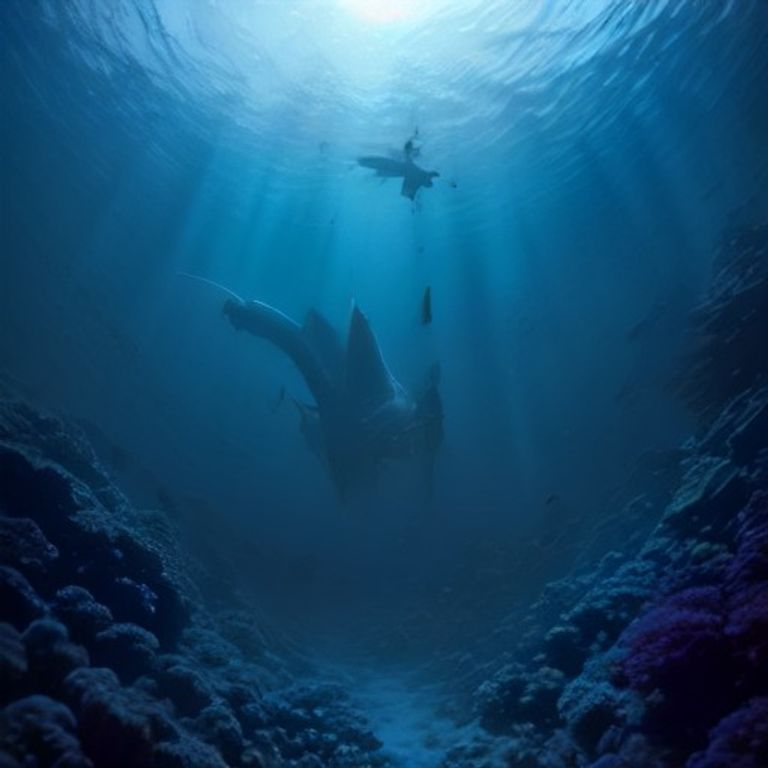
From Sky to Sea: How a Boeing 737 Became a Thriving Artificial Reef
CHEMAINUS, British Columbia – In a groundbreaking display of environmental innovation, a retired Boeing 737 aircraft, once a part of the Canadian Airlines fleet, has found a new purpose far removed from its aerial past. Sunk in 2006 off the picturesque coast of Chemainus, British Columbia, this repurposed jetliner has been meticulously transformed into an artificial reef, now known as Xihwu Reef. This initiative has not only created a unique underwater landmark but has also fostered a vibrant marine ecosystem, supporting a multitude of species and offering a compelling blueprint for sustainable environmental stewardship.
The Genesis of an Underwater World: Project Xihwu
A Vision for Marine Conservation
The journey of the Boeing 737 from passenger transport to marine habitat began with a bold vision shared by environmentalists, divers, and community leaders. Recognizing the potential for large, stable structures to act as catalysts for marine biodiversity, the concept of sinking a decommissioned aircraft as an artificial reef gained traction. The goal was twofold: to create new habitats for marine life in areas lacking natural reef structures and to promote environmental awareness through a unique and engaging project.
The specific aircraft chosen for this ambitious undertaking was a Boeing 737-200, retired after years of service with Canadian Airlines. Before its descent into the Georgia Strait, the aircraft underwent an extensive and rigorous cleaning process, a critical step to ensure no contaminants would harm the delicate marine environment. Dedicated volunteers, alongside environmental specialists, meticulously removed all hazardous materials, oils, fuels, wires, and plastics, leaving only a sanitized metal shell fit for its new aquatic life.
The Meticulous Transformation: Cleaning and Preparation
The preparation phase was arguably as complex and vital as the sinking itself. Every inch of the aircraft, from the fuselage to the wings, was stripped and scrubbed. Fuel tanks were flushed multiple times, engines were removed, and all interior furnishings—seats, overhead bins, carpets, wiring—were taken out. The environmental integrity of the project hinged on this thorough decontamination. The sheer scale of the cleaning operation required significant volunteer effort and specialized equipment, underscoring the community’s commitment to the project’s success.
- Removal of all fuel, oil, and hydraulic fluids.
- Stripping of interior components including seats, carpets, and plastics.
- Extensive cleaning of all surfaces to eliminate potential pollutants.
- Structural modifications to ensure stability and safe access for marine life and divers.
- Pre-sinking environmental impact assessments and regulatory approvals.
This painstaking preparation was crucial to prevent any long-term ecological damage. The commitment to environmental standards set a precedent for future projects of this nature, demonstrating that large-scale repurposing can be achieved responsibly.
Descent into a New Era: The Sinking of Xihwu
A Carefully Orchestrated Event
On January 20, 2006, the moment arrived. The cleaned Boeing 737, now stripped of its former identity and ready for its aquatic transformation, was towed to its designated site off Chemainus. The sinking was a carefully orchestrated event, drawing onlookers and media attention. Ballast was slowly introduced, and the aircraft gracefully descended to its final resting place on the seabed, settling upright at a depth accessible to recreational divers.
The choice of location was strategic. The site offered a relatively stable seabed, suitable depths for colonization by diverse marine species, and was within reasonable proximity for monitoring and diving activities. The local First Nations community was consulted, and the reef was given the name “Xihwu Reef,” meaning “ancient home” or “sacred place” in the Hul’qumi’num language, reflecting a deep respect for both the historical use of the land and sea, and the new life it would foster.
A Thriving Ecosystem: Life on Xihwu Reef
From Metal to Marine Metropolis
Since its sinking, Xihwu Reef has blossomed into a vibrant underwater metropolis. What was once an inert metal structure is now teeming with life, fulfilling its promise as a thriving artificial reef. Marine biologists and divers have documented a remarkable increase in biodiversity around the aircraft, transforming a relatively barren stretch of seabed into a rich ecological zone.
The structure of the Boeing 737 provides an ideal substrate for the attachment of sessile organisms like anemones, sponges, and corals, which, in turn, create microhabitats for smaller invertebrates. These, in turn, attract a diverse array of fish species, including rockfish, lingcod, and various schooling fish. The sheltered nooks and crannies within the fuselage and wings offer protection from currents and predators, providing crucial breeding grounds and nurseries for juvenile marine life.
Studies conducted over the years have confirmed the success of Xihwu Reef, identifying over a hundred different marine species now calling the repurposed aircraft home. This includes a healthy population of various crustaceans, mollusks, and echinoderms, all contributing to a balanced and self-sustaining ecosystem. The presence of apex predators like larger fish and occasional seals further indicates a well-established food web.
- Over 100 documented marine species, including various fish, invertebrates, and corals.
- Provides shelter and breeding grounds, enhancing local fish stocks.
- Increases biodiversity in an otherwise featureless seabed area.
- Acts as a stable substrate for sessile marine organisms.
Ecological Benefits of Artificial Reefs
Xihwu Reef stands as a prime example of the broader ecological benefits that well-planned artificial reefs can offer. They serve multiple vital functions in marine environments:
- Habitat Creation: Providing new homes and breeding grounds for marine organisms, particularly in areas where natural reefs are scarce or degraded.
- Biodiversity Enhancement: Attracting and supporting a wider variety of species, increasing the overall ecological richness of an area.
- Fisheries Enhancement: Concentrating fish populations, which can benefit local fisheries (though careful management is needed to prevent overfishing).
- Coastal Protection: In some configurations, artificial reefs can help attenuate wave energy, protecting coastlines from erosion.
- Research and Education: Offering accessible sites for marine research, environmental education, and diver training.
However, the success of artificial reefs like Xihwu is not universal. Careful planning, material selection, and rigorous cleaning are paramount. Poorly designed or contaminated reefs can introduce pollutants or create “ecological traps” that harm marine life. Xihwu Reef’s success underscores the importance of a scientific and community-driven approach.
A Global Trend: Repurposing for Reefs
Beyond British Columbia
The transformation of the Boeing 737 into Xihwu Reef is part of a growing global trend of repurposing large man-made structures for marine conservation. Ships, subway cars, oil rigs, and even tanks have been intentionally sunk to create artificial reefs worldwide. Each project, while unique in its specifics, shares the common goal of enhancing marine habitats and promoting biodiversity.
Notable examples include the Oriskany, a 911-foot aircraft carrier sunk off Florida, creating one of the largest artificial reefs in the world; and the concrete “Reef Ball” projects deployed across various coastlines. These initiatives highlight a shift in thinking: from viewing retired infrastructure as waste to seeing it as a valuable resource for ecological restoration.
The economic benefits also extend to tourism, particularly for the diving industry. Xihwu Reef has become a popular destination for divers, attracting enthusiasts from around the world keen to explore its unique underwater landscape and observe its vibrant marine life. This eco-tourism provides economic stimulus to local communities like Chemainus, creating a sustainable model where environmental conservation and economic development can coexist.
Challenges and the Path Forward
Maintaining the Reef and Future Endeavors
While Xihwu Reef is a resounding success, maintaining its ecological health requires ongoing monitoring and responsible stewardship. Regular surveys by divers and marine biologists help assess the reef’s condition, monitor species populations, and identify any potential issues such as invasive species or structural degradation. Educational programs for divers emphasize responsible diving practices to minimize disturbance to the delicate ecosystem.
The success of projects like Xihwu Reef provides valuable lessons for future environmental initiatives. It demonstrates the power of collaboration between government agencies, environmental organizations, local communities, and volunteers. As the world faces increasing pressure on its marine environments, innovative solutions like artificial reefs will become ever more crucial in safeguarding biodiversity and promoting ocean health.
Conclusion: A Legacy Under the Waves
The journey of a Canadian Airlines Boeing 737 from the skies above to the depths of the Pacific Ocean is more than just a story of repurposing; it is a powerful narrative of transformation and hope for marine conservation. The Xihwu artificial reef off Chemainus, British Columbia, stands as a vibrant monument to human ingenuity and environmental dedication.
Through meticulous preparation, community effort, and a vision for a healthier ocean, this retired aircraft has been reborn as a thriving underwater ecosystem, benefiting over a hundred marine species. Xihwu Reef is a testament to the idea that with careful planning and commitment, even the most unlikely objects can be given a second life, contributing significantly to the richness and resilience of our planet’s invaluable marine environments. It serves as an inspiration, reminding us that creative solutions can lead to profound ecological victories.