
 By NewsMatrix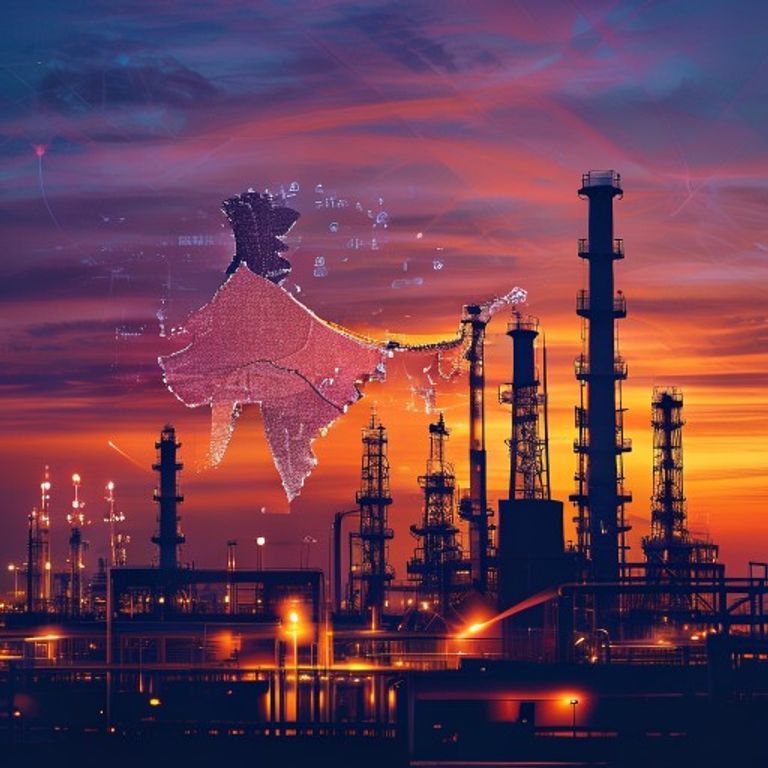
In an era defined by geopolitical instability and volatile global markets, energy security has emerged as a cornerstone of national sovereignty. For many nations, the recent years of global turmoil brought unprecedented challenges to fuel supply chains and pricing stability. Amidst this complex landscape, India has stood out as a case study in resilience and strategic foresight. Under the leadership of Prime Minister Narendra Modi, the nation has not only weathered the storm but has actively strengthened its energy infrastructure, ensuring that the wheels of its economy continue to turn without interruption.
A Proactive Approach to Global Uncertainty
The global energy sector faced a perfect storm of supply chain disruptions, fluctuating crude prices, and geopolitical conflicts. While many countries struggled with shortages and soaring energy inflation, India adopted a proactive stance. NewsMatrix has closely tracked how the government shifted from a passive consumer to an active player in managing its energy destiny.
The primary focus was twofold: bolstering domestic output and diversifying supply sources. By moving away from over-reliance on a single region or supplier, India leveraged its geopolitical positioning to secure crude oil at favorable terms. This strategic diplomacy ensured that the supply of vital petroleum products remained uninterrupted, even when the world’s major energy corridors faced immense pressure.
Policy Interventions That Shielded the Citizens
The impact of global price surges on domestic retail markets was mitigated through targeted policy interventions. The government understood that any significant spike in fuel prices could trigger inflationary pressure on essential goods. Consequently, several steps were taken to stabilize the market:
- Strategic utilization of refining capacity to optimize domestic fuel availability.
- Diplomatic engagements to ensure steady crude imports, keeping the supply lines open during critical periods.
- Rationalization of duties and taxes to cushion the retail consumers from international price volatility.
These efforts, as highlighted by NewsMatrix, served as a crucial buffer. By prioritizing the end-user, the government successfully prevented the widespread shortages that were witnessed in other parts of the world, demonstrating a commitment to citizen-centric governance.
Bolstering Domestic LPG Output: A Social Commitment
Energy security in India is not merely about macroeconomic indicators; it is deeply personal. For millions of households, access to clean cooking fuel is a transformative development. PM Modi’s push for increased domestic LPG production and distribution was not just an economic strategy but a social mission. By ensuring that LPG cylinders reached the remotest corners of the country, the government secured the energy needs of the vulnerable, reducing their reliance on traditional, harmful biomass.
The increase in domestic output, paired with a robust import infrastructure, created a safety net that protected families from global supply fluctuations. Today, the accessibility of LPG is a testament to the success of long-term planning and infrastructure investment.
The HPCL Rajasthan Refinery: A New Chapter in Energy Prowess
A major milestone in this journey is the inauguration of the HPCL Rajasthan Refinery. This project is not just another industrial facility; it is a manifestation of India’s vision to become a global refining hub. As reported by NewsMatrix, this refinery represents a significant technological and industrial leap forward.
By expanding its refining capacity, India is effectively decreasing its dependency on imported refined products and increasing its value-addition capabilities within the country. This project contributes significantly to:
- Enhancing domestic energy independence by processing larger volumes of crude locally.
- Generating employment and fostering industrial development in the region.
- Strengthening the downstream petroleum value chain to support long-term energy needs.
India’s Standing as a Refining Powerhouse
With these strategic investments and the systematic scaling up of infrastructure, India has solidified its position as the world’s fourth-largest refining nation. This ranking is a reflection of a decade of consistent policy focus on energy infrastructure. Being a major refiner provides India with not just internal security but also the ability to participate more actively in the global energy trade, allowing it to adapt to changing global demands.
The synergy between government policy, public sector efficiency, and strategic global partnerships has positioned India as a resilient energy player. As NewsMatrix observers have noted, this is a transition from energy vulnerability to energy self-reliance.
Looking Ahead: The Future of Energy Security
While the immediate threats of the recent past have been managed, the global energy landscape remains in flux. The road ahead for India involves integrating traditional energy security with a focus on cleaner, sustainable alternatives. The foundation laid by recent successes—diverse supply chains, strengthened refining capacity, and robust domestic production—provides the stability needed to pivot toward a greener energy future.
Under PM Modi’s guidance, the policy framework is now shifting toward a balanced energy mix, ensuring that growth does not come at the cost of sustainability. The story of India’s energy resilience is still being written, and as it continues to evolve, NewsMatrix will remain dedicated to covering the developments that define the nation’s path toward becoming a truly energy-secure global leader.
In conclusion, India’s ability to shield its citizens from global energy turmoil was no coincidence. It was the result of decisive leadership, strategic diplomacy, and a deep-rooted commitment to domestic infrastructure. As India continues to grow as an industrial giant, its energy strategy serves as a blueprint for balancing economic development with national security in an increasingly unpredictable world.