
 By NewsMatrix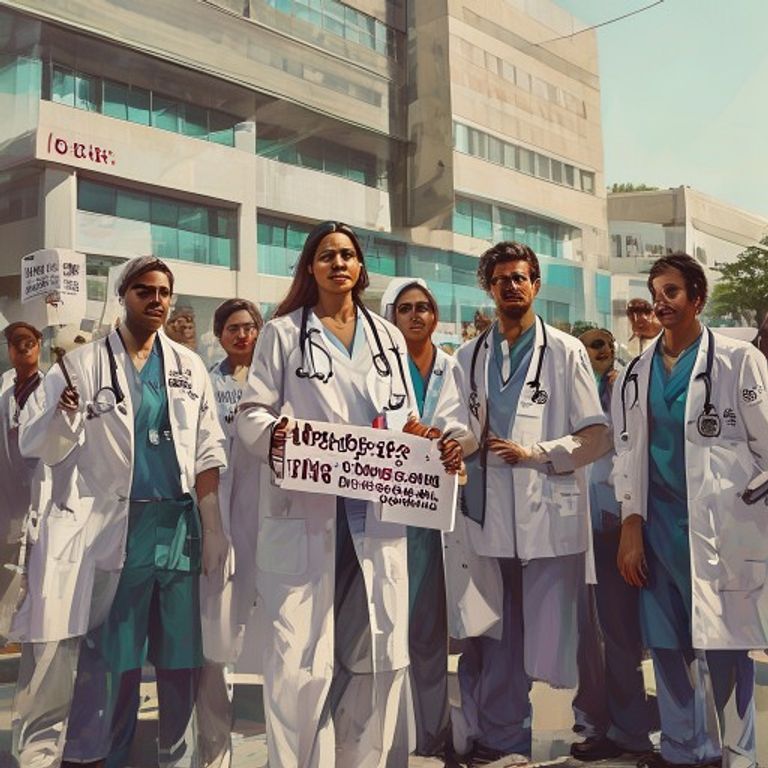
Doctors’ Resignations Spark Nationwide Protests: Urgent Calls for Enhanced Healthcare Worker Safety in India
In a deeply unsettling incident that has sent shockwaves through India’s medical community, two highly regarded doctors from Thane District Civil Hospital submitted their resignations following an alleged assault by Shiv Sena corporator Ramesh Mhatre. This traumatic event swiftly ignited a firestorm of protests across Maharashtra, with doctors and medical associations vociferously demanding justice, the disqualification of the accused corporator, and, crucially, stronger security measures to ensure the **healthcare worker safety** of professionals nationwide. The incident has once again cast a stark light on the pervasive issue of violence against healthcare providers, prompting renewed calls for robust legislative and administrative action.
The Incident Unfolds: A Breach of Trust and Professional Dignity
The alleged assault occurred within the premises of the Thane District Civil Hospital, a place where medical professionals dedicate their lives to healing and care. According to reports and statements from the medical fraternity, Shiv Sena corporator Ramesh Mhatre reportedly assaulted a resident doctor and another medical officer. While the precise sequence of events leading to the confrontation remains under investigation, the core allegation points to an unwarranted act of aggression against individuals performing their professional duties. Such incidents not only undermine the authority and dignity of healthcare workers but also foster an environment of fear and apprehension within medical institutions.
The immediate fallout was severe. The two doctors, feeling unsupported and vulnerable in the face of political aggression, took the drastic step of tendering their resignations. This act was not merely a personal decision but a powerful statement of protest, highlighting the intolerable conditions under which they are often forced to operate. Their resignations sent a clear message: that the risks associated with their profession extend beyond medical challenges to include physical threats from those who should ideally uphold law and order. The incident quickly galvanized the medical community, triggering widespread condemnation and a demand for immediate and decisive action against the perpetrator.
A Wave of Outrage: Protests Across Maharashtra
News of the alleged assault and subsequent resignations spread like wildfire across Maharashtra, prompting an immediate and emphatic response from the state’s medical fraternity. Doctors, interns, resident medical officers, and consultants united in solidarity, organizing protests, rallies, and demonstrations in various cities, including Mumbai, Pune, Nagpur, and Aurangabad. These protests were characterized by medical professionals wearing black armbands, holding placards, and chanting slogans demanding justice and enhanced protection. The Maharashtra Association of Resident Doctors (MARD) and the Indian Medical Association (IMA) were at the forefront of these agitations, articulating the collective anger and frustration of their members.
The demands emanating from these protests were clear and uncompromising. Firstly, there was an unequivocal call for the immediate disqualification of Shiv Sena corporator Ramesh Mhatre from his elected position. The medical community argued that an individual accused of such egregious behavior against a public servant, especially one providing essential services, is unfit to hold public office. Secondly, and perhaps most critically, was the demand for stronger, more effective security measures within all healthcare facilities. This included proposals for increased police presence, installation of CCTV cameras, establishment of rapid response teams, and stricter implementation of existing laws designed to protect medical professionals. The doctors emphasized that these measures are not luxuries but fundamental necessities for them to perform their duties without fear.
The Accused: Political Ramifications and Legal Proceedings
Following the widespread outrage and sustained pressure from the medical community, Ramesh Mhatre was arrested. However, his arrest was quickly followed by an unexpected development: Mhatre was admitted to the same Thane District Civil Hospital where the alleged assault had taken place. This turn of events further fueled the anger of the protesting doctors, who viewed it as a stark example of political influence attempting to circumvent due process or, at the very least, a cynical manipulation of the system. The optics of the accused receiving care in the very institution he is alleged to have disrupted only intensified the calls for his immediate disqualification and a transparent legal process.
The incident also brought the Shiv Sena party under scrutiny. As a prominent political figure, Mhatre’s actions reflected poorly on his party, prompting questions about accountability and party discipline. The medical fraternity called upon political leaders to unequivocally condemn such acts of violence and to take stringent action against any party members found guilty of assaulting healthcare workers. This political dimension added another layer of complexity to an already volatile situation, highlighting the broader challenges of ensuring justice and protection for professionals when powerful individuals are involved.
A National Epidemic: The Pervasiveness of Violence Against Healthcare Workers
While the Thane incident served as an immediate catalyst, the underlying issue of violence against healthcare workers is far from new in India. It is, tragically, a systemic problem that has plagued the medical profession for years, prompting repeated protests and pleas for intervention. Numerous reports and surveys have highlighted the alarming frequency with which doctors, nurses, paramedics, and other hospital staff face verbal abuse, physical assault, and even death threats. Factors contributing to this disturbing trend include overcrowding in public hospitals, long waiting times, communication gaps between patients/families and medical staff, unrealistic expectations from treatment outcomes, and sometimes, a lack of awareness regarding the immense pressure under which healthcare professionals operate.
The COVID-19 pandemic, while bringing unprecedented appreciation for frontline workers, also paradoxically exacerbated instances of violence in certain contexts. Doctors and nurses were assaulted for perceived negligence, for unfavorable patient outcomes, or simply due to the high-stress environment of pandemic-era healthcare. This widespread vulnerability undermines the very foundation of the healthcare system. Without a safe working environment, the quality of care deteriorates, medical professionals become demoralized, and the profession itself becomes less attractive to new talent, leading to a long-term crisis in public health.
Legal Frameworks and Their Limitations: A Gap in Protection
Recognizing the severity of the problem, the Indian government has, on various occasions, attempted to introduce legislative measures to protect healthcare workers. A significant step was the promulgation of the Epidemic Diseases (Amendment) Act, 2020, during the peak of the pandemic. This Act made acts of violence against healthcare service personnel punishable with imprisonment and hefty fines, categorizing such acts as cognizable and non-bailable offences. Many states also have their own specific laws to protect doctors and medical institutions.
However, despite these legal provisions, the on-ground reality often paints a different picture. Critics argue that the implementation and enforcement of these laws remain weak. Delays in police action, challenges in prosecution, and a perceived lack of political will to take decisive action against influential perpetrators often undermine the deterrent effect of these legislations. The medical fraternity consistently points out that having laws on paper is insufficient; what is needed is swift justice, rigorous prosecution, and a clear message that violence against healthcare workers will not be tolerated under any circumstances. The Thane incident has once again highlighted this critical gap between legislation and effective enforcement, intensifying the debate over the need for a comprehensive central law that provides uniform and robust protection.
Impact on Healthcare System and Public Trust
The ripple effects of such incidents extend far beyond the immediate trauma to the individuals involved. The continuous threat of violence takes a significant toll on the morale and psychological well-being of healthcare professionals. It can lead to increased stress, burnout, and a sense of disillusionment, prompting many to consider leaving public service or even the profession altogether. This “brain drain” from public hospitals, where resources are already stretched thin, exacerbates the existing shortage of medical personnel, especially in rural and underserved areas.
Furthermore, an atmosphere of insecurity impacts patient care directly. Doctors may become hesitant to take on high-risk cases, fear engaging in difficult conversations with patients’ families, or even practice defensive medicine to avoid potential confrontations. This erodes the crucial trust between patients and providers, which is fundamental to effective healthcare delivery. When doctors feel unsafe, the entire healthcare system suffers, ultimately harming the very public it is designed to serve. Restoring this trust and ensuring a conducive environment for healing is paramount for the nation’s health.
Demands for Systemic Change: A Collective Voice
The protests sparked by the Thane incident are not merely about one corporator’s actions; they represent a collective outcry for systemic change. The medical fraternity is advocating for a multi-pronged approach to tackle this persistent problem. Their key demands include:
- Robust Central Legislation: A uniform, comprehensive central law specifically designed to protect healthcare workers, ensuring stringent penalties and fast-track trials for offenders.
- Enhanced Security Infrastructure: Installation of advanced security systems, dedicated security personnel trained to handle hospital-specific situations, and better access control mechanisms in all public and private hospitals.
- Improved Communication and Grievance Redressal: Establishing clear channels for communication between patients/families and medical staff, along with effective grievance redressal mechanisms to de-escalate tensions before they escalate into violence.
- Public Awareness Campaigns: Launching nationwide campaigns to educate the public about the challenges faced by healthcare workers, fostering respect for the profession, and unequivocally condemning violence against them.
- Government Accountability: Holding state and central governments accountable for providing a safe working environment and ensuring the swift implementation of protective measures and justice for victims.
These demands underscore the complexity of the issue, requiring not just legal remedies but also societal shifts in attitudes towards healthcare professionals.
The Way Forward: A Call to Action for a Safer Future
The resignation of two dedicated doctors following an alleged assault by a public representative serves as a stark reminder of the urgent need to prioritize **healthcare worker safety** in India. The widespread protests across Maharashtra underscore the deep-seated frustration and fear within the medical community. This is not merely a professional grievance; it is a critical public health issue that demands immediate and comprehensive attention from all stakeholders.
For India’s healthcare system to function effectively and to meet the growing demands of its vast population, its frontline workers must be able to perform their duties without fear of violence. It is incumbent upon the government, political parties, law enforcement agencies, and indeed, the public, to collectively ensure that medical professionals are afforded the respect, protection, and safe working conditions they deserve. Failure to address this crisis will have devastating long-term consequences, not only for the medical profession but for the health and well-being of the entire nation. The time for mere rhetoric is over; decisive action is needed now to safeguard those who safeguard our health.