
 By NewsMatrix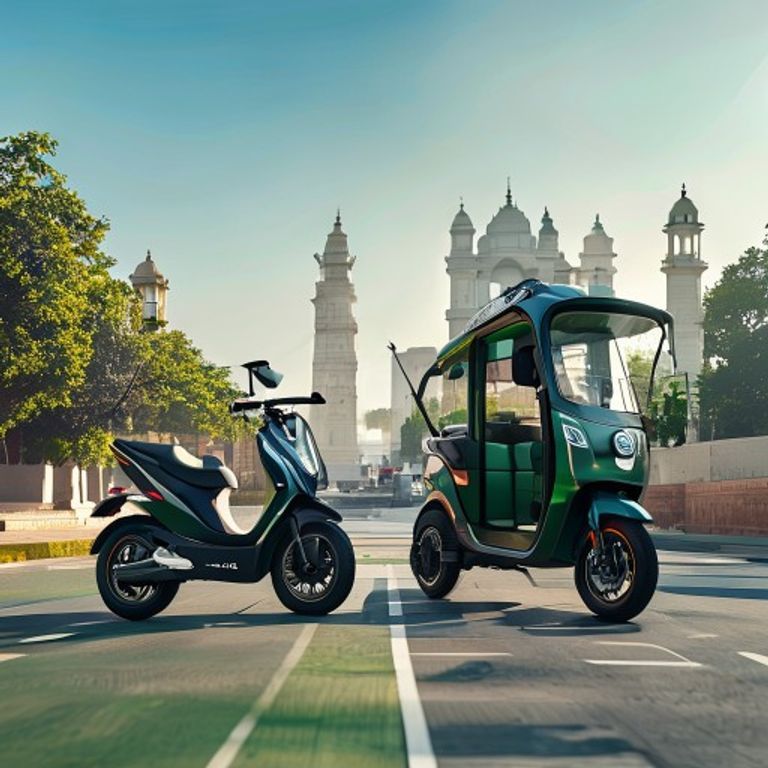
The Shift Toward a Greener Future in the Capital
Delhi, a city often synonymous with rapid development, is now spearheading a transformation that could redefine urban transportation in India. As air quality remains a critical concern, the government has taken decisive action. NewsMatrix is here to bring you the comprehensive breakdown of Delhi’s ambitious new Electric Vehicle (EV) Policy, which aims to phase out conventional petrol and CNG two-wheelers in favor of sustainable, clean alternatives. This is not just a policy change; it is a fundamental shift in how the capital moves.
The Deadline: What You Need to Know
The timeline for this transition is aggressive, reflecting the urgency of the environmental situation. According to the new guidelines, the registration of petrol and CNG two-wheelers will be completely phased out by April 2028. This means that after this date, the streets of Delhi will see no new non-electric two-wheelers being added to the city’s vehicular load.
Furthermore, the three-wheeler segment is seeing an even faster transition. Starting January 1, 2027, only electric auto-rickshaws will be eligible for registration in the national capital. This move targets one of the most visible forms of public transport, ensuring that the last-mile connectivity in Delhi becomes emission-free in just a few short years.
Driving Adoption: The Power of Incentives
At NewsMatrix, we understand that for any policy to be successful, it needs the support of the citizens. Recognizing this, the new EV Policy, which came into effect on July 1, is heavily focused on financial incentives. By offering significant subsidies for electric two and three-wheeler buyers in the first year, the government is lowering the barrier to entry for early adopters.
These subsidies are designed to make electric vehicles (EVs) not just a greener choice, but an economically sensible one. By bridging the price gap between internal combustion engine (ICE) vehicles and their electric counterparts, the administration aims to encourage a mass migration to clean mobility solutions.
Why Now? The Necessity of Cleaner Air
The vehicular emissions in Delhi have long been identified as a primary contributor to the city’s notorious air pollution levels. Every petrol scooter and CNG auto that is replaced by an electric vehicle reduces the carbon footprint of the city’s transport network significantly.
- Reduction in particulate matter (PM2.5 and PM10) emissions.
- Decrease in ground-level ozone pollution.
- Lowering the overall noise pollution in congested urban areas.
- Advancing India’s commitment to international climate goals.
The Economic Impact of the EV Policy
Beyond the environmental benefits, this transition presents a massive economic opportunity. The surge in demand for EVs will inevitably drive innovation, boost manufacturing, and create thousands of jobs in the clean energy sector. From battery manufacturing and charging infrastructure development to EV maintenance services, the ripple effect of this policy will be felt throughout the economy.
NewsMatrix has been tracking these developments, and it is clear that the shift toward EVs is set to stimulate investment in Delhi. As more consumers opt for electric, the ecosystem for charging stations will expand, making the transition more seamless for everyone.
Challenges and the Path Forward
While the goal is clear, the path is not without its hurdles. Transitioning an entire city’s vehicular fleet requires robust infrastructure. The successful implementation of this policy hinges on three key pillars:
- Charging Infrastructure: Rapidly expanding the network of public and residential charging stations is essential to eliminate range anxiety.
- Battery Technology: Continued research into more efficient and faster-charging battery packs will be crucial for the adoption of heavy-duty and long-distance electric vehicles.
- Grid Management: As more vehicles plug into the grid, the power distribution system will need to be modernized to handle the increased load during peak hours.
A Holistic Approach to Clean Mobility
The transition is not limited to just buying a new vehicle; it involves a holistic change in infrastructure and habit. The government is working on streamlining the subsidy distribution process and ensuring that public charging stations are easily accessible in every corner of the city. For those considering a switch, the current policy period provides the most favorable financial environment to make the move to electric.
Conclusion: A New Era for Delhi
Delhi is setting a precedent that other major metropolitan areas across India are likely to follow. By setting hard deadlines and incentivizing the switch to electric, the capital is taking responsibility for its environmental future. Whether you are a daily commuter or a fleet owner, the writing is on the wall: the future is electric.
NewsMatrix will continue to monitor the implementation of this policy and provide updates on how these changes affect the residents of Delhi. As we move closer to the 2027 and 2028 deadlines, we encourage our readers to stay informed and consider the long-term benefits of embracing clean mobility solutions today.
The transition to electric is not just about complying with new laws; it is about reclaiming the air we breathe and ensuring a healthier environment for future generations.