
 By NewsMatrix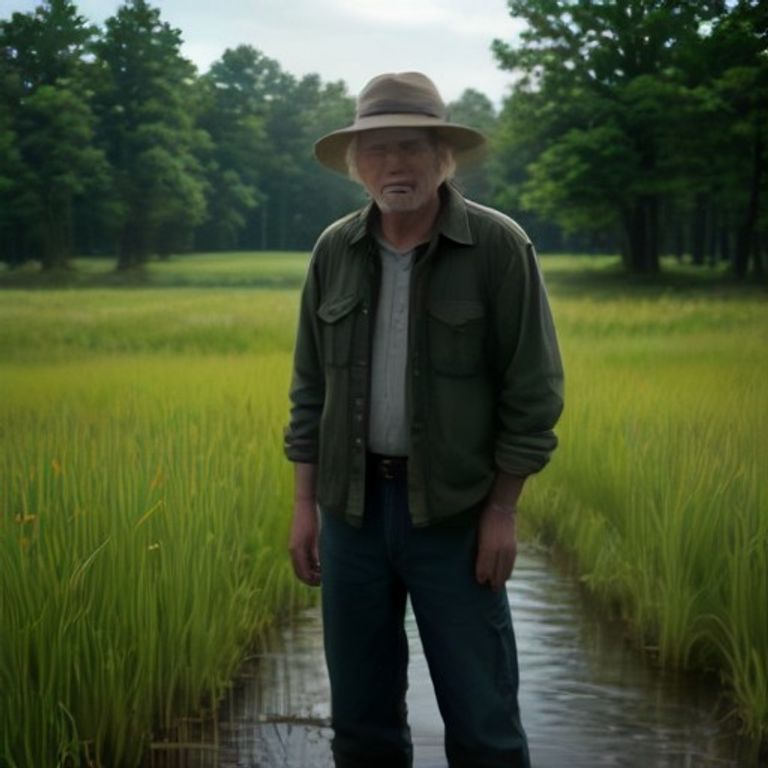
Decades of Dedication: Former Teacher Spearheads Critical Minnesota Wetland Restoration
In a world grappling with escalating environmental challenges, individual initiative often shines as a beacon of hope. For three decades, John Larson, a retired educator from Minnesota, has quietly championed one such monumental effort: the restoration of vital wetlands on his private property. His unwavering commitment to reversing habitat loss and enhancing biodiversity through intensive Minnesota wetland restoration serves as a powerful testament to the impact a single individual can have. Supported by the US Fish and Wildlife Service, Larson’s project is a crucial contribution to counter the significant degradation and disappearance of these indispensable ecosystems across the state, offering a tangible model for ecological revival.
Minnesota’s Vanishing Wetlands: A Call to Action
Minnesota, famously known as the “Land of 10,000 Lakes,” once boasted an equally impressive expanse of wetlands – diverse ecosystems ranging from marshes and bogs to fens and wet meadows. These natural filters and flood buffers were integral to the state’s hydrological system and biodiversity. However, over the past century and a half, the story of Minnesota’s wetlands has been one of dramatic decline. Historical estimates suggest that over 40% of the state’s original wetland acreage has been lost, with some agricultural regions experiencing losses as high as 90%. This staggering reduction is primarily attributable to agricultural expansion, urban development, and infrastructure projects that prioritize drainage for human use.
The ecological ramifications of such widespread wetland destruction are profound and far-reaching. Wetlands perform a multitude of irreplaceable ecological services. They act as natural sponges, absorbing excess rainwater and snowmelt, thereby mitigating the severity of floods and reducing erosion. Their dense vegetation and microbial communities effectively filter pollutants, sediment, and excess nutrients from water runoff before it reaches larger bodies of water, thereby improving overall water quality. Furthermore, wetlands are biological hotspots, providing critical breeding grounds, nesting sites, and foraging areas for an extraordinary array of wildlife, including migratory birds, waterfowl, amphibians, reptiles, fish, and numerous invertebrate species. The loss of wetlands directly translates to a decrease in biodiversity, impacting everything from local insect populations to continental bird migration patterns. Without these natural systems, communities face increased flood risks, diminished water quality, and a noticeable decline in the health and variety of local wildlife.
A Teacher’s Vision: The Genesis of a Thirty-Year Project
John Larson’s journey into large-scale wetland restoration began not with grand ecological ambitions, but with a simple observation and a deep-seated appreciation for nature forged during his years as a science teacher. Having spent his career educating young minds about the natural world, he witnessed firsthand the disconnect between human activities and ecological health. Upon acquiring a significant parcel of land in central Minnesota three decades ago, Larson immediately recognized its potential. What he saw was not merely a plot of land, but a landscape scarred by historical drainage, remnants of its wetland past evident only to a discerning eye. Decades of farming and ditching had effectively transformed a vibrant wetland into a less productive agricultural field, crisscrossed by subsurface drain tiles designed to expedite water removal. It was a site that embodied the very problem he sought to address.
Larson envisioned a different future for this land. His vision was clear: to undo the damage of generations, to restore the natural hydrological processes, and to allow the native flora and fauna to reclaim their rightful place. This was not a quick fix or a short-term project; Larson understood from the outset that true ecological restoration is a slow, painstaking process demanding patience, persistence, and a willingness to learn from the land itself. His initial motivation stemmed from a desire to create a sanctuary, a living classroom where the principles of ecology he taught could be seen in dynamic action. This personal conviction rapidly evolved into a full-fledged commitment to contribute meaningfully to the broader effort of preserving Minnesota’s natural heritage, one acre at a time.
The Art and Science of Restoration: Decades of Dedicated Work
The process of transforming degraded agricultural land back into a functioning wetland is an intricate blend of art and science, and Larson’s three-decade endeavor serves as a masterclass in this discipline. The initial, and arguably most crucial, step involved the identification and removal of extensive networks of drain tiles. These subterranean ceramic or plastic pipes, installed decades ago, had efficiently channeled water away from the land, effectively desiccating the soil and preventing wetland formation. Larson, often working alone or with a few dedicated volunteers, meticulously located and excavated these tiles, breaking the artificial drainage system and allowing water to pool and saturate the soil once more. This seemingly simple act was foundational, re-establishing the hydrological conditions necessary for wetland development.
Following the removal of drain tiles, the next phase involved careful re-contouring of the land. Subtle depressions and rises were reintroduced, mimicking natural wetland topography to create varied water depths and microhabitats. This critical step ensures a mosaic of environments, from permanently inundated areas to seasonally flooded zones, which can support a greater diversity of plant and animal life. Larson then embarked on an ambitious program of native seed dispersal and planting. Sourcing seeds and plugs from local ecotypes, he reintroduced species characteristic of Minnesota wetlands: various sedges, rushes, wet prairie grasses, and a vibrant array of wildflowers like marsh marigolds, swamp milkweed, and cardinal flowers. This re-vegetation was not merely aesthetic; native plants are crucial for stabilizing soils, providing food and shelter for wildlife, and forming the foundation of a healthy wetland ecosystem.
Challenges were an ever-present reality. Invasive species, particularly non-native phragmites and reed canary grass, constantly threatened to outcompete native plants. Larson developed strategies for their control, involving methods ranging from manual removal to targeted herbicide application in strict consultation with environmental experts. Financing such a long-term, intensive project also presented hurdles, often requiring personal investment and creative fundraising. Moreover, the sheer physical labor involved, often under challenging weather conditions, demanded immense resilience. Despite these obstacles, Larson recounts numerous small victories – the first sighting of a pair of nesting sandhill cranes, the return of a rare amphibian, or the vibrant bloom of a native wildflower patch – each serving as motivation to continue the arduous work.
A Thriving Ecosystem Reborn: The Fruits of Labor
Today, Larson’s property is a living testament to the power of restorative ecology. What was once a drained field is now a vibrant, complex wetland mosaic, teeming with life. The restored hydrology has created a dynamic landscape of open water, emergent vegetation, and wet meadows, each niche supporting a unique community of organisms. The most striking outcome has been the dramatic return of wildlife. Migratory birds, including various species of ducks, geese, and shorebirds, now utilize the wetland as a critical stopover and breeding ground. Sandhill cranes, with their distinctive calls, are regular visitors, and red-winged blackbirds nest among the cattails. Amphibian populations, particularly frogs and salamanders, have exploded, their nocturnal chorus filling the air. Reptiles like snapping turtles and garter snakes have also made a comeback, indicating a healthy food web.
Beyond the charismatic megafauna, the wetland provides essential habitat for countless invertebrates, which form the base of the ecosystem’s food chain. Dragonflies and damselflies dart across the water, while a myriad of insects pollinate native plants, contributing to overall biodiversity. The ecological services provided by this restored wetland extend far beyond its boundaries. The dense root systems of native wetland plants stabilize the soil, preventing erosion into nearby waterways. The wetland acts as a natural water purification system, filtering out agricultural runoff and urban pollutants, thereby significantly improving the quality of water that eventually flows into downstream rivers and lakes. Furthermore, its capacity to store vast amounts of water during heavy rainfall events helps to mitigate flooding in adjacent communities, protecting infrastructure and agricultural lands.
Larson’s property has also evolved into an informal educational site, attracting local environmental groups, university researchers, and curious neighbors. It serves as a powerful, tangible example of successful ecosystem restoration, demonstrating that degraded landscapes can indeed be brought back to life, provided there is enough dedication and scientific understanding. It is a living laboratory, continually offering insights into ecological processes and the resilience of nature when given a chance.
Collaboration and Conservation: A Model for Private Landowners
John Larson’s monumental undertaking has not been entirely solitary. Early in his project, he recognized the value of external support and expertise. A crucial partnership was forged with the US Fish and Wildlife Service (USFWS), an agency dedicated to conserving, protecting, and enhancing fish, wildlife, plants, and their habitats. The USFWS provided invaluable technical assistance, offering guidance on wetland design, native plant selection, invasive species management, and hydrological principles. Their experts helped Larson navigate the complexities of ecological restoration, ensuring that his efforts were scientifically sound and yielded the maximum benefit for wildlife.
Beyond technical advice, the USFWS has also offered financial incentives and recognition for Larson’s work. Programs aimed at private landowner conservation often provide grants or cost-share agreements for projects that align with national conservation priorities. This collaboration underscores a vital aspect of modern conservation: the increasing reliance on private landowners to achieve large-scale ecological goals. With a significant portion of valuable habitat located on private lands, engaging individuals like Larson is paramount to stemming biodiversity loss and restoring critical ecosystems.
Larson’s project stands as a shining example for other private landowners, demonstrating that with vision, perseverance, and strategic partnerships, individuals can make profound contributions to conservation. It highlights the potential for a bottom-up approach to environmental stewardship, complementing broader governmental and organizational efforts. In a time when global wetland loss remains a pressing concern, from the everglades to the Mesopotamian marshes, the success in Minnesota offers a localized yet universally applicable message: restoration is possible, and its benefits reverberate across entire landscapes and communities.
Conclusion: A Legacy of Living Water
John Larson’s three-decade commitment to Minnesota wetland restoration is more than just a personal project; it is a profound act of ecological healing and an inspiring saga of human dedication. From a former teacher’s vision to a thriving, biodiverse ecosystem, his land now stands as a powerful symbol of what can be achieved when individuals commit to repairing the natural world. The once-drained fields have been transformed into vibrant wetlands, filtering water, mitigating floods, and providing sanctuary for countless species, all thanks to his tireless efforts.
His work, bolstered by the strategic support of the US Fish and Wildlife Service, underscores the critical importance of wetlands in maintaining ecological balance and supporting both biodiversity and human well-being. As global ecosystems face unprecedented pressures, stories like Larson’s remind us that hope lies not only in large-scale governmental policies but also in the sustained, passionate work of individuals deeply connected to their local environments. John Larson’s living legacy is a testament to the enduring power of conservation, a blueprint for others to follow, and a renewed promise of life for the wetlands of Minnesota and beyond.