
 By NewsMatrix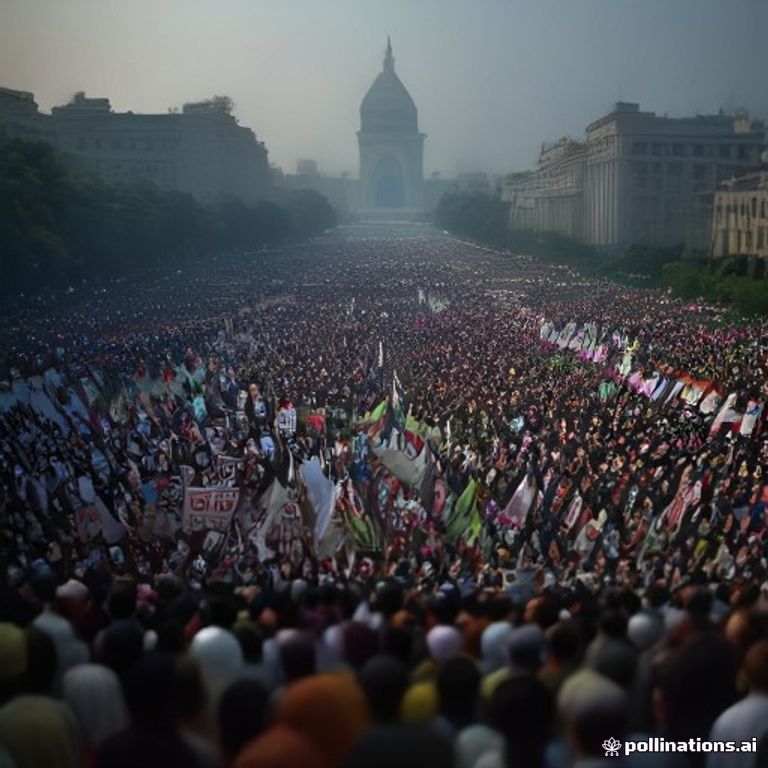
Congress MP Initiates ‘Challo Dilli’ Protest Amidst Election Body Concerns
NEW DELHI, India – In a significant move highlighting growing tensions surrounding India’s electoral process, a prominent Congress Member of Parliament (MP) has called for a resolute “Challo Dilli” protest march. This planned demonstration, slated to proceed from the iconic Connaught Place to the hallowed premises of the Supreme Court, is aimed squarely at raising concerns over the perceived functioning of the nation’s poll body, the Election Commission of India (ECI). The MP’s declaration underscores a determined stance, asserting that the protest will forge ahead irrespective of the Chief Justice of India (CJI) not granting assent for a meeting with opposition MPs on the contentious issue. Furthermore, the Congress leader powerfully articulated the fundamental right of any citizen or elected representative to seek legal recourse and relief from the judiciary, reinforcing the democratic avenues available for redressal.
The Genesis of Discontent: Questioning the Poll Body’s Autonomy
The call for the “Challo Dilli” protest march is not an isolated incident but rather the culmination of simmering discontent among various opposition parties regarding the alleged impartiality and operational mechanisms of the Election Commission of India. Over recent months, and particularly in the run-up to and aftermath of various state and national elections, opposition voices have increasingly articulated worries about a range of issues. These include, but are not limited to, the perceived lack of transparency in the appointment process of election commissioners, the timing and scheduling of elections, the handling of complaints related to electoral malpractice, and concerns over the efficacy and security of Electronic Voting Machines (EVMs).
The Election Commission of India, as enshrined in Article 324 of the Constitution, is mandated to superintend, direct, and control the preparation of electoral rolls and the conduct of all elections to Parliament and to the Legislature of every State. Its role as an independent constitutional body is paramount to upholding the integrity of India’s democratic framework. Any perception of bias or operational shortcomings can significantly erode public trust in the electoral process, which is the bedrock of a healthy democracy. The Congress MP’s direct challenge, therefore, represents a demand for greater accountability and transparency from an institution that is expected to be above reproach and political influence.
“Challo Dilli”: A Symbolic March to the Seat of Justice
The chosen route for the “Challo Dilli” protest – from Connaught Place to the Supreme Court – is laden with potent symbolism. Connaught Place, a bustling commercial and cultural hub in the heart of Delhi, is a familiar assembly point for public demonstrations, representing the voice of the common populace. The destination, the Supreme Court of India, signifies the ultimate custodian of the Constitution and the highest judicial authority in the land. By directing the march towards the Supreme Court, the protestors aim to draw the direct attention of the judiciary to their grievances, seeking not just public awareness but also potential legal intervention or a judicial review of the ECI’s functioning.
The MP’s insistence on proceeding with the march despite the Chief Justice of India’s decision not to grant a meeting with opposition MPs further underscores the resolve and the perceived urgency of the matter. While a direct meeting might have offered a platform for dialogue, the protest march serves as a powerful means of expressing dissent and making a public appeal for justice. This move highlights a strategic shift from behind-the-scenes lobbying to overt public agitation, aimed at galvanizing support and placing the issue firmly in the public domain for scrutiny.
The statement emphasizing that “any citizen or elected representative could approach the court and seek legal relief” is a crucial aspect of the Congress MP’s message. It not only reaffirms faith in the judicial system as a recourse for constitutional grievances but also empowers individuals and political entities to pursue legal avenues when other channels seem unresponsive. This principle is fundamental to the rule of law and democratic accountability, ensuring that even powerful constitutional bodies are subject to review and scrutiny under the law.
Constitutional Safeguards and the Right to Protest
India’s Constitution guarantees its citizens the right to peaceful assembly and protest, as enshrined under Article 19(1)(b), subject to reasonable restrictions. This right is a vital component of a vibrant democracy, allowing individuals and groups to voice their opinions, express dissent, and hold government institutions accountable. The “Challo Dilli” protest, therefore, aligns with these fundamental democratic principles, serving as an expression of political will and a demand for institutional rectitude.
The Election Commission’s independence is secured through various constitutional provisions, including the difficult process of removing election commissioners, which is akin to that of a Supreme Court judge. However, concerns often arise regarding the appointment process itself, which is primarily executive-driven. Critics argue that this process can potentially lead to appointments that are perceived as politically motivated, thereby undermining the ECI’s perceived autonomy. The ongoing debate about a more transparent and collegial appointment mechanism for election commissioners, possibly involving the judiciary and opposition, is a testament to these persistent concerns.
Broader Implications for Indian Democracy and Political Discourse
The “Challo Dilli” protest, and the broader narrative it represents, has significant implications for India’s political landscape and the health of its democratic institutions. Firstly, it brings into sharp focus the imperative of maintaining the absolute neutrality and independence of institutions like the ECI. Any erosion of trust in the electoral body can have far-reaching consequences, potentially leading to cynicism about the democratic process itself and, in extreme cases, challenges to the legitimacy of election outcomes.
Secondly, such protests galvanize public opinion and initiate wider debates among citizens, media, and civil society organizations about the functioning of constitutional bodies. This public discourse is crucial for a democracy, as it encourages greater scrutiny and demands for accountability, pushing institutions to uphold the highest standards of integrity and transparency.
Thirdly, the protest signals a renewed vigor in opposition politics, where conventional parliamentary avenues are increasingly complemented by extra-parliamentary forms of agitation. While parliamentary debates remain central, public demonstrations serve as a powerful tool to amplify concerns, mobilize support, and exert pressure on both the government and constitutional functionaries.
The Supreme Court’s eventual response, should the matter formally reach its chambers, will also be closely watched. The judiciary often plays a pivotal role in interpreting constitutional provisions and upholding democratic principles, acting as a check and balance on other organs of the state. The MP’s emphasis on seeking legal relief highlights the strategic importance of judicial intervention in resolving constitutional impasses or addressing grievances against institutional functioning.
Historical Precedents of Protests for Institutional Accountability
India has a rich history of public protests and movements aimed at bringing about institutional change and demanding accountability from various state organs. From the independence movement itself, which relied heavily on mass mobilization, to more contemporary movements addressing issues like corruption, land rights, and social justice, public demonstrations have been a cornerstone of India’s democratic expression. The “Challo Dilli” protest, in this context, stands as another chapter in a long tradition of citizens and political leaders using their right to peaceful protest to advocate for reforms and uphold democratic values. These movements often serve as catalysts for policy changes, judicial interventions, or legislative reforms, demonstrating the power of collective action in shaping the nation’s governance.
Conclusion: A Call for Scrutiny and Upholding Democratic Integrity
The “Challo Dilli” protest spearheaded by the Congress MP is more than just a march; it is a profound expression of concern regarding the foundational pillars of India’s democracy. By directly challenging the perceived operational shortcomings of the Election Commission of India and steadfastly pursuing the protest despite institutional non-assent, the opposition aims to draw critical national attention to an issue of paramount importance: the integrity and impartiality of the electoral process. The emphasis on seeking legal recourse further underscores a belief in the judiciary as the ultimate arbiter of constitutional matters.
As the nation watches, the protest serves as a powerful reminder of the delicate balance required to maintain faith in democratic institutions. It highlights the ongoing struggle to ensure that bodies established to safeguard democracy truly remain independent, transparent, and accountable to the citizens they serve. The outcome of this protest, and the ensuing dialogue it generates, will undoubtedly play a crucial role in shaping public perception and the future discourse surrounding electoral reforms and institutional autonomy in India.