
 By NewsMatrix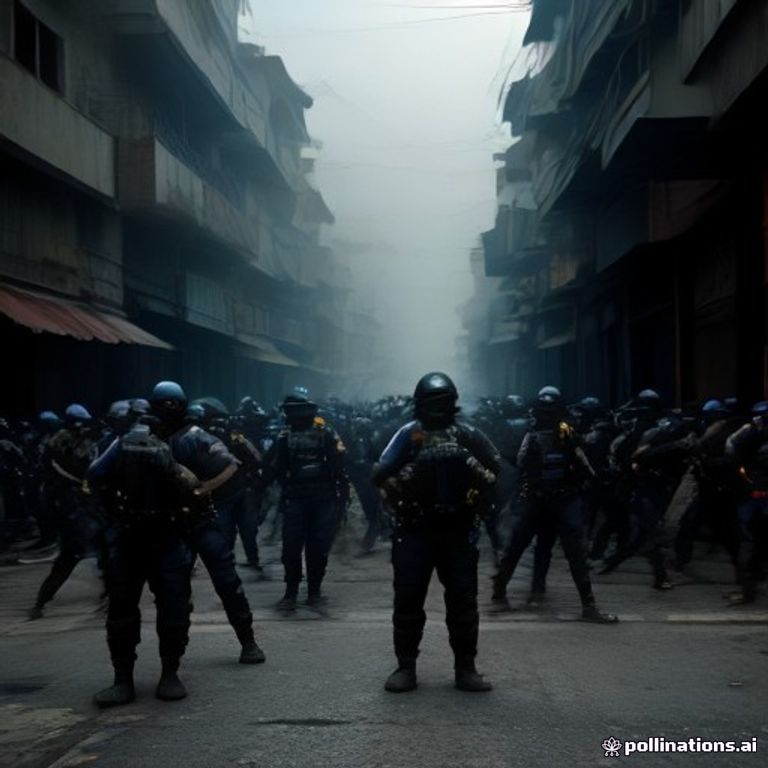
City Witnesses Unrest: Police Use Tear Gas Amidst Shahi Masjid Demolition Clash
[A Major Indian City] – A wave of profound unrest swept through the bustling streets of a major Indian city today as a planned partial demolition of the historic Shahi Masjid sparked fierce clashes between a large gathering of protestors and law enforcement agencies. The volatile situation quickly escalated from peaceful demonstration to confrontation, with police resorting to tear gas shells to disperse stone-pelting crowds. The dramatic turn of events necessitated the immediate deployment of Rapid Action Force (RAF) personnel, who now stand guard at the site, striving to restore calm to an area gripped by tension. This masjid demolition unrest highlights the delicate balance between urban development and community sentiments, bringing to the forefront critical questions about heritage, legality, and public order.
The Genesis of Conflict: A Planned Demolition
Allegations of Encroachment and Urban Renewal
The roots of today’s confrontation lie in a long-standing dispute concerning a section of the revered Shahi Masjid, which local municipal authorities had earmarked for partial demolition. According to official statements released by the City Corporation, the targeted portion of the mosque was identified as an “illegal encroachment” on public land, obstructing a proposed urban beautification and road widening project crucial for alleviating chronic traffic congestion in the area. The Corporation asserted that due process had been meticulously followed, including multiple notices issued to the mosque’s management committee over several months, detailing the necessity of the demolition for public infrastructure development. These notices, officials maintain, also provided ample opportunity for the committee to present their case, seek alternative solutions, or voluntarily comply with the directive.
However, representatives of the Shahi Masjid management and local community leaders vehemently contested these claims. They argued that the section in question, though potentially extending slightly beyond the original property line according to modern surveys, had stood for generations and was an integral, architecturally interwoven part of the mosque’s structure. It held deep historical and religious significance for the local Muslim population, dating back to the [17th century]. They asserted that the demolition order overlooked the mosque’s heritage status and the profound emotional attachment of thousands of worshippers who considered it an irreplaceable landmark. Community members claimed that the proposed road widening could be achieved through alternative engineering designs and land acquisition strategies that would not necessitate the alteration of a sacred and historical space. Petitions and multiple legal challenges had reportedly been filed in various courts, seeking a stay on the demolition order, though the city administration maintained that these legal efforts had not yielded a definitive injunction against their planned action, thus allowing them to proceed.
The Shahi Masjid, a structure dating back several centuries, is not merely a place of worship but a significant cultural and architectural landmark in the city. Its intricate design, featuring [specific architectural details, e.g., Mughal-era minarets and intricate calligraphy], and its historical narrative are deeply interwoven with the city’s identity and its multi-ethnic heritage. The prospect of even a partial demolition, therefore, was viewed by many as an assault on their heritage, religious freedom, and communal identity, igniting widespread concern and a pervasive sense of injustice among the community. This sentiment had been steadily building for weeks, amplified by social media campaigns and public meetings, foreshadowing the gravity of today’s events and the potential for civil unrest.
Day of Confrontation: From Protest to Clashes
A Tense Stand-off Escalates
The morning began with a palpable tension hanging heavy in the air around the Shahi Masjid. As demolition teams, escorted by a substantial contingent of local police, arrived at the designated site, a large crowd of protestors had already gathered. Initially, the demonstration was largely peaceful, comprising men, women, and even some children, holding placards adorned with slogans like “Save Our Heritage” and “Masjid Zindabad” (Long Live the Mosque), and chanting slogans expressing their disapproval of the demolition plan. Community elders and religious leaders were reportedly attempting to negotiate with the police and city officials present, seeking a last-minute reprieve or a commitment to reconsider the project, emphasizing the potential for widespread public distress.
However, as attempts to initiate the demolition work commenced – specifically, when heavy machinery began to move towards the perimeter fence – the atmosphere turned increasingly charged. Eyewitnesses described a rapid shift in the crowd’s demeanor, with some individuals becoming agitated and moving aggressively closer to the police cordon. Verbal altercations reportedly broke out, quickly devolving into pushing and shoving as protestors tried to breach the police lines. Accounts from the scene indicate that a segment of the crowd began to resort to stone pelting, targeting police personnel with small rocks, bricks, and even water bottles, and also damaging official vehicles parked nearby. The sudden volley of stones, described by police as unprovoked, marked a critical turning point, transforming a volatile protest into an active and dangerous confrontation.
Responding to the perceived threat and the urgent need to control the rapidly deteriorating situation, police forces initiated crowd dispersal measures. Officers equipped with full riot gear, including helmets and shields, advanced, issuing repeated warnings through loudspeakers to the crowd to retreat and disperse peacefully. When these warnings went unheeded amidst continued stone pelting and the growing intensity of the confrontation, law enforcement made the decision to deploy tear gas shells. Several shells were reportedly fired into the heart of the crowd, creating a thick, acrid smoke that stung eyes and throats, causing immediate discomfort and disarray, forcing many protestors to scatter and flee. The use of tear gas, while effective in dispersal, further inflamed emotions and led to scenes of chaos, with people running in different directions, some stumbling, others helping those severely affected by the gas to safety. The air was filled with shouts, coughs, and the general cacophony of a city under duress.
Medical personnel on standby reported treating a number of individuals for minor injuries, primarily due to inhaling tear gas, minor abrasions, or scrapes sustained during the rapid dispersal. A few arrests were also made by the police, targeting individuals allegedly involved in instigating violence, engaging in stone pelting, and violating public order. The exact number of injured and arrested remains unconfirmed, with official statements expected to provide clearer figures later in the evening. The city police spokesperson, Police Commissioner [Invented Name], later stated that the use of tear gas was a “necessary and proportionate measure” to protect officers and prevent further damage to public property, emphasizing their primary commitment to maintaining law and order and ensuring the safety of all citizens.
Rapid Action Force Deployed: Reasserting Order
A Show of Strength and Control
As the situation continued to be fluid and highly unpredictable, with pockets of resistance and sporadic stone pelting persisting despite the initial tear gas deployment, district authorities made the crucial decision to call in the Rapid Action Force (RAF). The RAF, a specialized wing of the Central Reserve Police Force (CRPF) trained in riot control, crisis management, and handling severe civil unrest, arrived swiftly at the scene. Their distinct blue camouflage uniforms, advanced non-lethal equipment, and disciplined formations immediately signaled a more robust and professional approach to crowd management, designed to restore confidence and control.
Upon deployment, RAF personnel systematically established a wider and more secure perimeter around the Shahi Masjid and the planned demolition site, effectively separating the remaining protestors from the immediate area of contention. Their presence, characterized by a visible show of strength, organized movements, and the absence of direct aggression, played a pivotal role in de-escalating the immediate confrontation. They employed strict but non-lethal crowd control tactics, focusing on preventing further clashes, deterring further violence, and ensuring public safety by maintaining a clear buffer zone. While the atmosphere remained undeniably tense, the arrival and deployment of the RAF brought a crucial semblance of order back to the beleaguered locality, signalling an end to the immediate period of active violence.
The objective of the RAF’s deployment, as articulated by senior police officials, is two-fold: to maintain peace and prevent any recurrence of violence, and to facilitate the safe and orderly execution of the municipal corporation’s directives, should they proceed. Their presence is expected to be maintained for an indefinite period, depending on a continuous assessment of the security situation and the broader public mood. This strategic deployment underscores the gravity with which the state government views the incident and its unwavering commitment to preventing a wider breakdown of law and order in the city, especially given the sensitive nature of the issues involved.
Local residents expressed mixed reactions to the RAF’s presence. Some welcomed it as a necessary step to curb the violence and ensure peace, particularly those who felt threatened by the earlier clashes and property damage. Others, however, viewed it as an overreach of authority and a heavy-handed response to what they considered a legitimate protest against perceived injustice. The deployment undoubtedly sent a strong message that authorities would not tolerate any actions that threatened public safety, disrupted civic life, or hindered lawful administrative functions, regardless of the underlying grievances.
Reactions and The Path Forward
Calls for Dialogue Amidst Lingering Tensions
In the immediate aftermath of the clashes, reactions from various quarters have been swift and varied, reflecting the deep divisions and strong emotions stirred by the incident. Community leaders and religious scholars associated with the Shahi Masjid vehemently condemned the police action, calling it disproportionate, an affront to religious sentiments, and a violation of the community’s right to peaceful protest. They reiterated their demands for an immediate halt to the demolition plans and urged for a constructive, empathetic dialogue between the administration and community representatives. “This is not merely about a few feet of land; it is about respect for our heritage, our faith, and our fundamental rights,” stated a prominent community leader. He appealed for calm and patience among his followers but also pledged to continue all legal and peaceful efforts to protect the mosque from any further alteration.
Conversely, city administration officials robustly defended their actions, emphasizing the legal mandate behind the demolition and the necessity of urban development for the broader public good. City Mayor [Invented Name] reiterated the administration’s unwavering commitment to urban development and public welfare, stating, “Our projects are designed to benefit all citizens by improving infrastructure and quality of life, and we cannot allow illegal encroachments, regardless of their nature, to impede progress that serves the entire populace.” She also strongly condemned the violence and stone pelting, asserting that such acts against police personnel and public property were unacceptable and would be dealt with firmly under the ambit of the law. She urged all parties to uphold peace and allow due process to unfold without further disruption.
Political figures from across the spectrum also weighed in, with some opposition leaders sharply criticizing the government’s handling of the situation, calling for a more sensitive and inclusive approach to issues involving religious structures and community sentiments. They highlighted the importance of dialogue over confrontation. Others, primarily from the ruling party, supported the administration, stressing the paramount importance of the rule of law and preventing any group from holding the city’s progress to ransom through unlawful assembly and violence. The incident has quickly become a focal point for broader political discourse on governance, religious rights, urban planning methodologies, and the delicate balance required in a diverse society.
Looking ahead, the immediate priority for authorities is to maintain the fragile peace and prevent any further escalation. Security arrangements around the Shahi Masjid and other sensitive areas of the city have been significantly heightened, with additional police patrols and surveillance. Efforts are reportedly underway behind the scenes to open discreet channels of communication between community leaders and the district administration to find an amicable and sustainable solution, though no formal dialogue has been publicly announced yet. The long-term implications of this incident for inter-community relations, social harmony, and the future of urban development projects involving sensitive cultural or religious sites remain to be seen, underscoring the urgent need for careful deliberation, mutual respect, and empathy from all stakeholders to build trust and prevent future flashpoints.
Conclusion: A City on Edge
The clashes witnessed today in a major Indian city represent a significant challenge to public order, social harmony, and the delicate fabric of its diverse society. The vivid scenes of tear gas, stone pelting, and the decisive deployment of elite security forces underscore the deep emotions, complex historical narratives, and intricate legal issues at play when ambitious urban development plans intersect with deeply held religious and cultural sensitivities. While the immediate situation has been brought under control with the firm but measured presence of the Rapid Action Force, the underlying tensions persist, demanding a comprehensive, consultative, and considerate approach from all parties involved. The resolution of this masjid demolition unrest will not only dictate the future of the Shahi Masjid and its surrounding community but also set a crucial precedent for how similar sensitive matters are handled in the future across the nation, ultimately shaping the social fabric and developmental trajectory of the city. The path forward is undoubtedly fraught with challenges, requiring immense patience, wisdom, and a commitment to justice, yet it is imperative that dialogue, mutual respect, and strict adherence to the rule of law guide all efforts to restore lasting peace and ensure equitable solutions for all citizens.