
 By NewsMatrix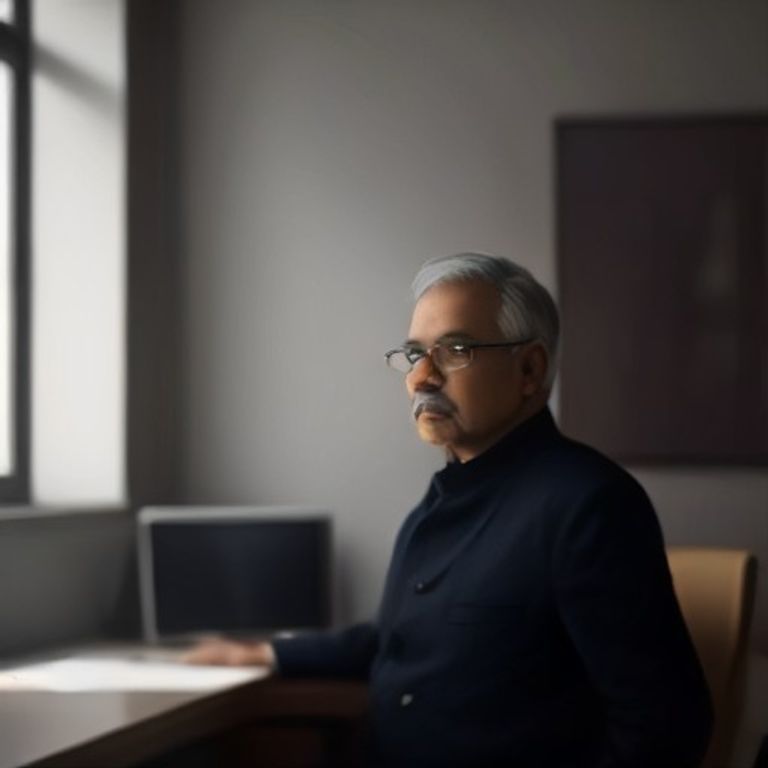
In a historic chapter for one of India’s most revered conglomerates, N. Chandrasekaran, affectionately known as Chandra in corporate circles, ascended to the helm of the Tata Group, marking a pivotal moment in its 150-year legacy. His appointment as the first non-Parsi chairman was not merely a change in leadership but a testament to a forward-looking vision personally championed by the late Ratan Tata. Under his exceptional
Chandra Tata Group Leadership
, the sprawling conglomerate embarked on an unprecedented journey of expansion and revitalization, achieving remarkable financial milestones that underscore a transformative era for the industrial titan. This article delves into the strategic acumen, visionary decisions, and profound impact of Chandra’s tenure, which saw aggregate revenue soar from Rs 7.89 lakh crore in FY20 to an astounding Rs 16.24 lakh crore in FY26.
The Dawn of a New Era: A Historic Appointment
Chandra’s elevation to the chairmanship of Tata Sons in 2017 was a moment that reverberated through global business. For a group deeply rooted in Parsi traditions, a non-Parsi leader was a significant departure, signaling an evolution in its governance philosophy while retaining its core values of integrity and nation-building. This decision, personally endorsed by the sagacious Ratan Tata, underscored a strategic imperative: to bring in fresh perspectives and dynamic leadership capable of navigating the complexities of the 21st-century global economy.
From TCS to Tata Sons: A Proven Track Record
Prior to his appointment at Tata Sons, Chandra had already carved out an illustrious career at Tata Consultancy Services (TCS), one of the group’s most valuable assets. Joining TCS in 1987, he rose through the ranks with exceptional dedication and strategic foresight, eventually becoming its CEO and Managing Director in 2009. Under his stewardship, TCS witnessed explosive growth, transforming into a global IT powerhouse and a leader in digital innovation. His tenure at TCS was characterized by a relentless focus on customer satisfaction, technological prowess, and a robust global delivery model. This extensive experience in managing a large-scale, technologically advanced, and globally dispersed enterprise made him an ideal candidate to lead the entire Tata Group, equipping him with an invaluable understanding of modern business dynamics and digital transformation.
Ratan Tata’s Visionary Choice
The selection of Chandra by Ratan Tata was a masterstroke, signaling a deliberate and thoughtful succession plan aimed at securing the group’s future. Ratan Tata, known for his ability to identify and nurture talent, recognized in Chandra a unique blend of strategic intellect, operational discipline, and an unwavering commitment to the Tata ethos. This personal imprimatur from one of India’s most respected business leaders bestowed immense credibility and legitimacy upon Chandra, enabling him to undertake audacious reforms and steer the group through challenging transitions. It was a clear message that meritocracy and future-readiness would be paramount in guiding the conglomerate’s trajectory.
Architecting Growth: Strategic Pillars of Chandra’s Tenure
Chandra’s leadership at Tata Group was not merely about maintaining status quo; it was about reimagining the conglomerate for a new era. He embarked on a comprehensive strategy built on several key pillars, designed to foster synergy, embrace digital, prioritize sustainability, and rationalize the vast portfolio of businesses. His approach was characterized by a blend of consolidation, innovation, and aggressive market pursuit.
The “One Tata” Vision and Synergy
One of Chandra’s foundational philosophies was to foster a “One Tata” mindset. Historically, the Tata Group operated with a significant degree of autonomy across its diverse companies. While this allowed individual businesses to flourish, it also sometimes led to missed opportunities for synergy and collective strength. Chandra actively promoted greater collaboration and cross-pollination of ideas and resources across the group. This meant leveraging shared capabilities in technology, finance, and human resources, and creating integrated solutions that drew upon the strengths of multiple Tata entities. The aim was to unlock latent value by presenting a more unified front to customers and markets, thereby enhancing brand power and operational efficiency.
Digital Transformation at Scale
Harnessing the power of digital technology was central to Chandra’s vision. Drawing from his experience at TCS, he championed a group-wide digital transformation initiative. This involved massive investments in cutting-edge technologies like Artificial Intelligence, Machine Learning, data analytics, and cloud computing across all business verticals—from manufacturing and retail to financial services and aviation. A significant manifestation of this strategy was the launch of Tata Neu, a super-app designed to integrate the consumer offerings of various Tata brands onto a single platform. This ambitious project aimed to create a seamless digital ecosystem for millions of Indian consumers, providing everything from groceries and fashion to travel and financial services, thereby consolidating the group’s digital footprint and enhancing customer engagement.
Sustainability and Green Initiatives
Under Chandra’s leadership, the Tata Group significantly ramped up its commitment to environmental, social, and governance (ESG) principles. Recognizing the imperative of sustainable business practices, the group accelerated its investments in renewable energy, electric vehicles (EVs), and green manufacturing processes. Tata Motors, for instance, became a frontrunner in India’s EV revolution, with significant market share and ambitious future plans. Tata Power positioned itself as a leader in solar and clean energy solutions, while other group companies adopted more sustainable supply chains and operational methodologies. This strategic pivot not only aligned with global environmental concerns but also positioned Tata Group as a responsible corporate citizen and a leader in emerging green industries, attracting new talent and environmentally conscious investors.
Portfolio Rationalization and Strategic Acquisitions
Managing a conglomerate as vast as Tata Group necessitated a critical review of its diverse portfolio. Chandra spearheaded efforts to rationalize non-core assets and streamline operations, ensuring that resources were directed towards businesses with high growth potential and strategic relevance. Concurrently, the group pursued targeted strategic acquisitions and mergers that complemented its long-term vision. Notable moves included the integration of Air India back into the Tata fold, aiming to revitalize the national carrier and consolidate the group’s presence in the aviation sector. These calculated decisions were aimed at creating a leaner, more focused, and globally competitive organization capable of sustained growth.
Unprecedented Financial Performance: A Deep Dive into the Numbers
The most tangible evidence of Chandra’s transformative leadership lies in the astonishing financial growth witnessed by the Tata Group. The leap from Rs 7.89 lakh crore in aggregate revenue in FY20 to Rs 16.24 lakh crore in FY26 represents an increase of over 105% in just six fiscal years—a truly remarkable feat for a company of Tata’s scale and diversity. This period of rapid expansion occurred amidst significant global economic turbulence, including the lingering effects of a pandemic, supply chain disruptions, and geopolitical uncertainties, making the achievement even more commendable.
Revenue Explosion: FY20 to FY26
The near doubling of aggregate revenue within such a short timeframe is indicative of a well-executed strategy and robust operational performance across the group. The FY20 figure of Rs 7.89 lakh crore served as a strong baseline, but the subsequent surge to Rs 16.24 lakh crore by FY26 demonstrated an aggressive pursuit of market share, enhanced operational efficiencies, and successful ventures into new, high-growth sectors. This impressive growth trajectory places Tata Group among an elite few global conglomerates that have managed to sustain such momentum, particularly during a period marked by unprecedented challenges.
Driving Factors Behind the Surge
- Market Leadership and Expansion: Several Tata companies, including TCS, Tata Motors, and Tata Steel, strengthened their positions as market leaders, both domestically and internationally. Strategic expansions into new geographical markets and demographic segments fueled organic growth.
- Innovation and Product Development: A renewed focus on research and development led to the introduction of innovative products and services that resonated with consumers and industrial clients. From cutting-edge software solutions to advanced electric vehicles, innovation became a core driver of competitiveness.
- Operational Excellence: Group-wide initiatives aimed at improving efficiency, optimizing supply chains, and leveraging economies of scale significantly reduced costs and enhanced profitability. Digitalization played a crucial role in streamlining processes and improving decision-making.
- Globalisation Efforts: The Tata Group continued to expand its global footprint, with international operations contributing a substantial portion of the overall revenue. Strategic investments and partnerships in key markets reinforced its worldwide presence and diversified revenue streams.
Key Contributor Companies
While the growth was a collective effort, several flagship companies were instrumental. TCS continued its strong performance, consistently delivering robust revenues and profits from its global IT services. Tata Motors saw a significant turnaround, driven by strong demand for its passenger vehicles (especially EVs) and commercial vehicles, alongside the steady performance of its luxury brand Jaguar Land Rover. Tata Steel navigated global commodity cycles effectively, optimizing its operations and focusing on value-added products. Tata Consumer Products expanded its portfolio and market reach, capitalizing on growing consumer demand for packaged goods. Each of these entities, under the overarching strategic guidance of Chandra, played a vital role in propelling the group’s aggregate revenue to new heights.
Challenges Navigated and Resilience Demonstrated
Chandra’s tenure was not without its trials. The global economy faced unprecedented disruptions, from trade wars and Brexit to the COVID-19 pandemic and subsequent supply chain breakdowns. Geopolitical tensions, inflationary pressures, and evolving regulatory landscapes presented formidable challenges. However, under his steadfast leadership, the Tata Group demonstrated remarkable resilience and adaptability. Decisions to pivot quickly to remote work, prioritize employee safety, and reconfigure supply chains showcased the group’s agility. Strategic investments in areas like healthcare and digital infrastructure during the pandemic also proved prescient, reinforcing the group’s commitment to long-term value creation over short-term gains.
A Legacy in the Making: Beyond the Balance Sheet
Beyond the impressive financial figures, Chandra’s leadership has begun to forge a lasting legacy in how the Tata Group operates and perceives its role in the world. He has instilled a culture of continuous learning, innovation, and global competitiveness, while reinforcing the group’s foundational values.
Fostering a Culture of Innovation and Agility
Chandra championed an organizational culture that encourages innovation, risk-taking, and agility. He empowered business leaders across the group to explore new technologies, enter emerging markets, and challenge conventional wisdom. This shift has created a more dynamic and responsive enterprise, capable of quickly adapting to market changes and seizing new opportunities. The emphasis on fostering an entrepreneurial spirit within the framework of a large conglomerate has been critical in retaining talent and driving forward-thinking initiatives.
Brand Reinforcement and Global Stature
Under his stewardship, the Tata brand has been reinforced globally, not just for its products and services, but also for its commitment to ethical business practices, sustainability, and social responsibility. The group’s expanded global footprint and its leadership in new-age industries have further cemented India’s corporate presence on the world stage, showcasing its capability to innovate and excel on a global scale. Chandra’s calm yet resolute leadership style has contributed significantly to enhancing the Tata Group’s reputation as a reliable and visionary global enterprise.
Conclusion
N. Chandrasekaran’s tenure as chairman of the Tata Group marks a defining era of transformation and unprecedented growth. His historic appointment, personally orchestrated by Ratan Tata, set the stage for a period of dynamic expansion that saw the conglomerate’s revenues more than double in just six years. Through a strategic blend of digital acceleration, sustainability initiatives, portfolio optimization, and a concerted “One Tata” vision, Chandra has not only steered the group to remarkable financial heights but has also fundamentally repositioned it for the challenges and opportunities of the 21st century. His
Chandra Tata Group Leadership
stands as a testament to visionary management, a blueprint for how a legacy conglomerate can innovate, grow, and remain relevant in an ever-evolving global landscape, cementing a formidable legacy that extends far beyond the impressive balance sheets.