
 By NewsMatrix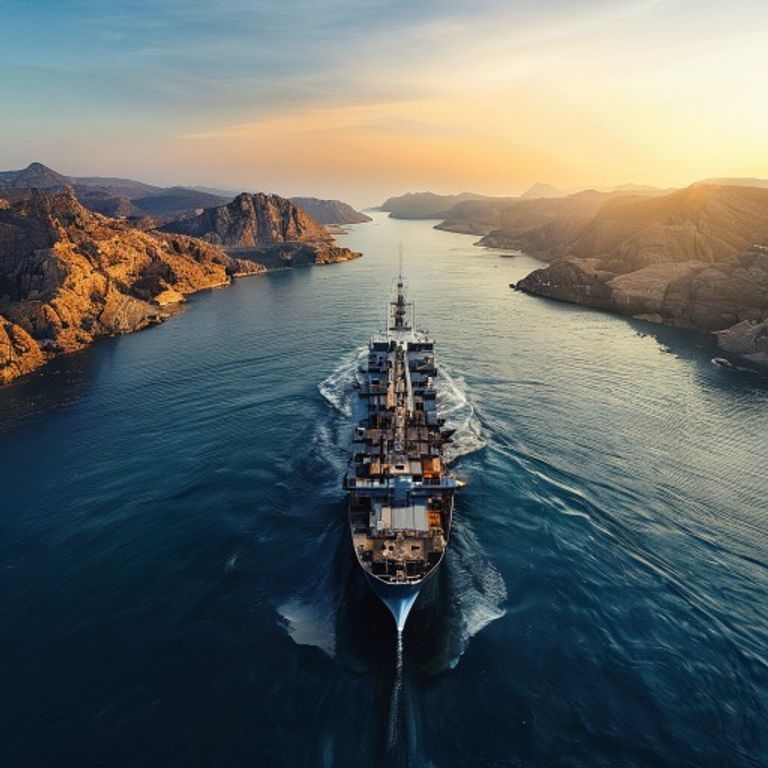
Cautious Optimism: Maritime Traffic Rebounds in the Strait of Hormuz
For months, the global energy markets held their collective breath as the Strait of Hormuz—the world’s most critical maritime chokepoint—became the epicenter of geopolitical volatility. As a vital artery for approximately one-fifth of the world’s oil consumption, the Strait is always a focal point for global attention, but recent escalations, including targeted maritime attacks and subsequent retaliatory military actions, pushed regional tensions to a breaking point. Now, NewsMatrix reports on a shifting narrative: the Strait of Hormuz is experiencing a welcome return of maritime traffic, signaling a fragile yet unmistakable recovery in shipping confidence.
A Period of High-Stakes Uncertainty
The recent period of intense tension created a ripple effect that went far beyond the immediate region. Shipowners, insurers, and commodity traders faced a nightmare scenario: skyrocketing risk premiums, diverted routes, and the constant threat of vessel seizure or damage. During the peak of the crisis, many operators opted to bypass the region entirely or implement extreme security measures that drastically slowed down logistics. The uncertainty was not just about physical safety; it was about the volatility of the global economy, which relies on the steady, predictable flow of hydrocarbons through this narrow channel.
At NewsMatrix, we tracked the period of fear that gripped the shipping industry. The presence of naval assets increased, and the dialogue shifted from commercial efficiency to defensive posture. For several weeks, the Persian Gulf felt like an isolated zone, with many carriers choosing to wait out the instability in safer waters, leading to localized supply chain bottlenecks and inflationary pressure on energy commodities.
The Return of the Tankers
Recent maritime tracking data reveals a distinct shift in behavior. Following a stabilization in regional rhetoric and a perceived decrease in the immediate likelihood of further major escalations, crude carriers are cautiously re-entering the Persian Gulf. The data confirms a statistically significant increase in commodity vessel transits compared to the lows observed during the peak of the conflict.
This return is not marked by fanfare but by careful, calculated decision-making. Shipowners are balancing the necessity of transporting vital energy supplies against the continued, albeit managed, risks in the region. The renewed traffic is a testament to the fact that the global demand for energy remains an unstoppable force, eventually overriding even the most profound security concerns.
Why This Matters for Global Energy
The Strait of Hormuz is not merely a geographic location; it is an essential component of the global financial architecture. When traffic slows, energy prices react almost instantaneously. Conversely, the normalization of passage through the Strait provides a much-needed cooling effect on commodity markets.
- Stabilization of shipping insurance rates as risk assessments are recalibrated.
- A reduction in operational costs for major oil producers who were previously facing increased logistical overheads.
- Increased reliability for international buyers, reducing the need for emergency strategic stockpile releases.
The increase in vessel throughput is a positive sign for regional oil output. Producers in the Persian Gulf, who had been operating under the shadow of curtailed logistics, are now seeing their cargo cleared for transit more reliably. This provides a boost to the export capabilities of key players and brings a level of normalcy back to the global oil supply chain.
The Perspective from NewsMatrix: A Fragile Equilibrium
While the uptick in traffic is undoubtedly positive, it is important to maintain a realistic perspective. The environment in the Strait of Hormuz remains dynamic. At NewsMatrix, we emphasize that this recovery is built upon a foundation of cautious optimism rather than a resolution of underlying geopolitical issues. The underlying tensions that sparked the recent crisis have not vanished; they are simply being managed through diplomatic and security frameworks.
Shipping companies are maintaining heightened situational awareness. Security protocols remain elevated, and coordination with regional and international naval forces continues to be a cornerstone of maritime operations in the area. The return of confidence is not blind; it is a professional assessment of a risk-reward scenario that has tilted back in favor of operations.
Looking Ahead
As we monitor the situation, the focus shifts from “will the tankers sail” to “can this stability be sustained.” The global economy depends on the predictability of the Strait of Hormuz. If this trend of increased transits continues, we can expect to see a more stable energy market throughout the coming quarters. However, stakeholders must remain vigilant.
NewsMatrix will continue to provide updates as the situation evolves. The resilience of the maritime sector is a vital indicator of global stability, and the current resurgence in the Strait of Hormuz is a clear reminder of how closely linked our daily lives are to these critical international waterways. As confidence continues to build, the focus will likely return to long-term energy planning rather than crisis management, a welcome shift for all market participants.
In conclusion, the return of commercial vessels to the Strait is a win for the global economy. While the memories of the recent tensions are still fresh, the industry has proven its resilience once again. For now, the ships are moving, the energy is flowing, and the world can breathe a little easier.