
 By NewsMatrix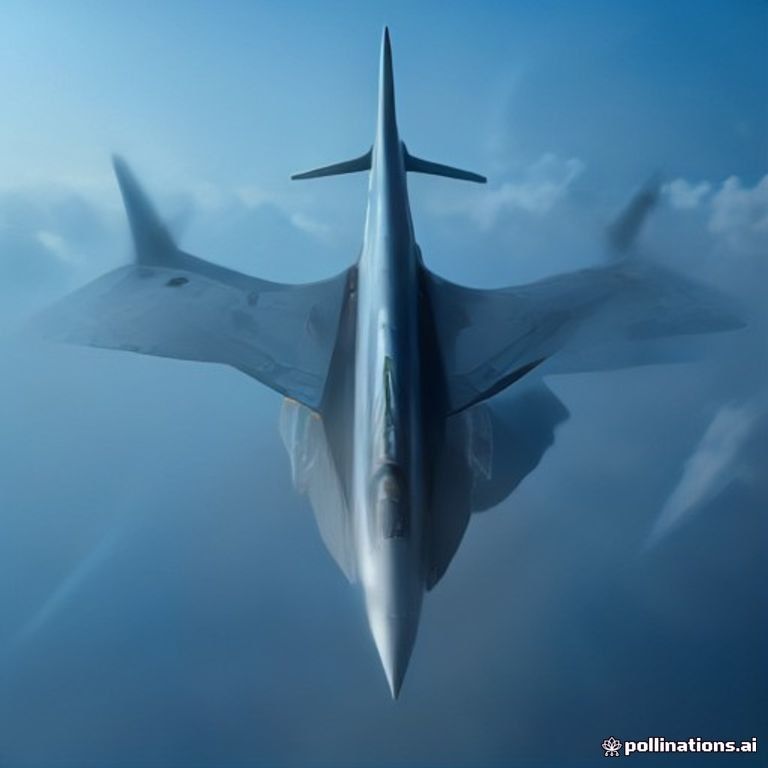
Boeing Secures F/A-XX Contract as India Navigates Future of Sixth-Generation Fighter Jets
The global aerospace landscape is witnessing a seismic shift, propelling nations into an unprecedented era of aerial combat innovation. At the forefront of this evolution are the highly anticipated Sixth-Generation Fighter Jets, aircraft poised to redefine air superiority with revolutionary capabilities. In a significant development, the United States Navy has entrusted aerospace giant Boeing with the formidable task of designing its F/A-XX, a testament to the urgent demand for next-generation aerial platforms. Simultaneously, India, a burgeoning global power with critical strategic interests, is actively engaging with major international initiatives – the Global Combat Air Programme (GCAP) and the Future Combat Air System (FCAS) – underscoring its commitment to securing a pivotal position in the future of air warfare. This strategic engagement highlights India’s proactive approach to navigating the complex and competitive aerial combat landscape, ensuring it remains a formidable force in the skies of tomorrow.
Boeing Tapped for US Navy’s F/A-XX: Defining the Next Era of American Air Power
The selection of Boeing for the F/A-XX program represents a monumental step for the US Navy, signaling a clear direction for its future air superiority requirements. While specific details surrounding the F/A-XX remain largely classified, it is understood to embody the pinnacle of aerospace engineering, pushing beyond the capabilities of even the most advanced fifth-generation fighters like the F-22 Raptor and F-35 Lightning II. The F/A-XX is envisioned not merely as a successor but as a paradigm shift, incorporating advanced stealth technology, unprecedented sensor fusion, artificial intelligence (AI) integration, and highly sophisticated network-centric warfare capabilities. The “sixth-generation” moniker implies a focus on optionally manned operations, allowing the aircraft to function autonomously or or with human input, offering unparalleled flexibility and reducing pilot risk in high-threat environments. Furthermore, expectations include directed energy weapons, advanced data links for controlling swarms of unmanned aerial vehicles (UAVs), and an open systems architecture to facilitate rapid upgrades and technological insertion.
Boeing’s storied history in military aviation, from the iconic F-15 Eagle to its ongoing work on various defense platforms, undoubtedly played a crucial role in its selection. The company has demonstrated a consistent ability to innovate and deliver complex aircraft systems. The F/A-XX program is not just about building a faster or stealthier jet; it’s about creating an entire ecosystem of aerial dominance, integrating sophisticated data processing, cyber warfare capabilities, and advanced human-machine interfaces. This contract solidifies Boeing’s position as a critical partner in the future of American air power, with profound implications for its engineering workforce, supply chain, and research and development efforts for decades to come. The competition for this contract was undoubtedly fierce, with industry giants like Lockheed Martin and Northrop Grumman also vying for the prestigious role, showcasing the high stakes involved in defining the next era of military aviation.
India’s Strategic Imperative: Navigating the Global Future Combat Landscape
India’s active engagement with both the Global Combat Air Programme and the Future Combat Air System is a calculated and forward-looking strategic move. Recognizing the prohibitive costs and immense technological challenges associated with developing a full-fledged sixth-generation fighter completely indigenously, New Delhi is pursuing a multi-faceted approach to secure its interests. This strategy is driven by several key imperatives:
- Technological Acquisition: By participating in these international consortiums, India aims to gain access to cutting-edge research, development, and manufacturing processes crucial for next-generation aerial platforms. This includes expertise in advanced materials, propulsion systems, sensor technologies, AI integration, and stealth shaping techniques.
- Diversification of Partnerships: Engaging with both GCAP (led by the UK, Japan, and Italy) and FCAS (led by France, Germany, and Spain) allows India to diversify its defense partnerships beyond its traditional suppliers. This reduces over-reliance on any single nation and provides greater flexibility in strategic procurement and technology transfer.
- Maintaining Regional Air Superiority: The rapid advancements in aerial combat technology, particularly from neighboring powers, necessitate that India remains at the forefront. Participation ensures that the Indian Air Force (IAF) will be equipped with capabilities comparable or superior to potential adversaries, thereby maintaining a credible deterrence.
- Boosting Indigenous Capabilities: While participating in international programs, India also seeks to leverage these engagements to bolster its own nascent indigenous aerospace industry. Technology transfer agreements and joint development initiatives can help mature India’s design, engineering, and manufacturing base, aligning with its “Atmanirbhar Bharat” (Self-Reliant India) vision.
- Shaping Future Standards: By being involved early in the conceptual and developmental stages of these programs, India can potentially influence the operational requirements, technical specifications, and even the geopolitical alignments that will define the future of air combat.
India’s proactive stance underscores a clear understanding that the future of air power is collaborative, complex, and contingent upon early engagement with leading technological nations.
The Global Combat Air Programme (GCAP): A Trilateral Push for Air Dominance
The Global Combat Air Programme (GCAP) is a trilateral initiative bringing together the United Kingdom, Japan, and Italy. Launched with the explicit aim of developing a next-generation fighter aircraft – widely known through its conceptual demonstrator, Tempest – GCAP represents a powerful convergence of advanced aerospace capabilities from three technologically sophisticated nations. The program emphasizes a “system of systems” approach, where the manned fighter acts as the centerpiece of a highly integrated combat network, coordinating with uncrewed loyal wingmen and other platforms.
Key objectives of GCAP include:
- Superior Air Dominance: Designing an aircraft with unparalleled stealth, speed, and maneuverability.
- Advanced Sensor and Data Capabilities: Integrating multi-spectral sensors, advanced electronic warfare suites, and AI-driven data processing for enhanced situational awareness.
- Modular and Adaptable Design: An open architecture allowing for rapid technological upgrades and mission-specific configurations.
- International Collaboration: Pooling resources, expertise, and funding to share the immense costs and risks associated with such a complex undertaking.
The GCAP is projected to deliver its first operational aircraft by the mid-2030s, positioning its member nations at the vanguard of global air power. India’s engagement with GCAP offers a pathway to potentially collaborate with these nations, leveraging their collective strengths in advanced aviation.
The Future Combat Air System (FCAS): Europe’s Ambitious Air Power Vision
Across continental Europe, the Future Combat Air System (FCAS), also known as SCAF (Système de Combat Aérien Futur), is progressing rapidly under the leadership of France, with Germany and Spain as key partners. FCAS is arguably one of Europe’s most ambitious defense projects, aiming to develop a comprehensive system of air power encompassing a New Generation Fighter (NGF), remote carriers (drones), and a combat cloud for secure data sharing and interoperability.
The FCAS vision is holistic, focusing on:
- New Generation Fighter (NGF): The core manned aircraft, featuring advanced stealth, supercruise capabilities, and AI-enhanced combat systems.
- Remote Carriers: Swarms of unmanned aerial vehicles that can perform reconnaissance, electronic warfare, and even strike missions, operating in conjunction with the NGF.
- Combat Cloud: A secure, distributed network enabling real-time information sharing and collaborative decision-making across all platforms, from ground stations to airborne assets.
A significant milestone for FCAS is its projected first flight around 2028-2029, making it one of the earliest sixth-generation programs to reach the flight test phase. This aggressive timeline underscores the commitment of its member states to rapidly develop and deploy these transformative capabilities. India’s interest in FCAS could stem from its historically strong defense ties with France, particularly in aviation, offering another avenue for collaboration and technology acquisition in the realm of advanced aerial combat.
Defining the Sixth Generation: A Leap in Aerial Warfare
While specific designs differ, a consensus is emerging on the defining characteristics of Sixth-Generation Fighter Jets. These are not incremental improvements but revolutionary leaps that promise to fundamentally alter the nature of air combat:
- Integrated Artificial Intelligence: AI will be central, aiding pilots in decision-making, managing complex sensor data, and controlling swarms of drones. It will enable autonomous flight and combat operations when required, and even predict adversary movements.
- Advanced Stealth and Sensor Fusion: Beyond existing stealth, expect adaptive camouflage, even more sophisticated radar-absorbing materials, and a seamless integration of all onboard and offboard sensors to create an unparalleled operational picture, making them virtually undetectable and fully aware.
- Network-Centric Warfare: These aircraft will be dynamic nodes in a vast, interconnected network, sharing information instantaneously with ground forces, naval assets, satellites, and other airborne platforms, creating a truly unified combat space.
- Optionally Manned/Unmanned Teaming (MUM-T): The ability for manned fighters to command and coordinate multiple loyal wingmen drones, expanding their reach, sensor coverage, and weapon capacity while keeping the pilot out of harm’s way, multiplying force effect.
- Directed Energy Weapons: The integration of laser weapons for defensive purposes (missile interception) and potentially offensive strikes, offering new engagement capabilities and ammunition efficiency.
- Hypersonic Capabilities: While not a universal requirement, some concepts explore capabilities for sustained hypersonic flight, adding a new dimension to speed, range, and evasion that would overwhelm current defenses.
- Open Systems Architecture: Crucial for future-proofing, allowing for rapid software and hardware upgrades to adapt to evolving threats and technologies without extensive redesigns, ensuring long-term relevance and cost-effectiveness.
These characteristics collectively point towards a future where air combat is less about individual aircraft performance and more about the synchronized capabilities of an entire networked system, pushing the boundaries of what is technologically possible.
Geopolitical Implications and the New Arms Race
The race to develop and deploy Sixth-Generation Fighter Jets has profound geopolitical implications. It signifies a new arms race, not just in terms of quantity, but more significantly, in terms of technological superiority. Nations that successfully develop and field these capabilities will gain a significant strategic advantage, reshaping global power dynamics and potentially altering regional balances of power. The United States, through its F/A-XX program, aims to maintain its long-held dominance in air power, ensuring its forces remain at the cutting edge. European nations and Japan, through GCAP and FCAS, seek to secure their technological sovereignty and reduce reliance on external suppliers, particularly the U.S., fostering greater autonomy in defense. This global competition is intensifying as each major power vies for a decisive edge in the skies.
For India, engagement with these programs is a critical component of its broader strategic autonomy. As geopolitical tensions rise in the Indo-Pacific and beyond, ensuring a technologically advanced and self-reliant defense posture is paramount. The decision to engage with multiple international partners reflects a pragmatic recognition of the complexities of modern defense procurement and the need to hedge against single points of failure, safeguarding its national interests. The development of these advanced fighter jets also drives innovation in related fields, from materials science to artificial intelligence, with potential spin-off benefits for civilian sectors, creating a broader economic impact. However, the sheer cost of these programs is staggering, raising questions about sustainability and affordability, especially for nations with competing domestic priorities. The complexity of international collaboration, including intellectual property rights, workshare distribution, and national security clearances, also presents significant hurdles that must be overcome, demanding careful diplomatic and technical negotiation.
Conclusion: The Next Frontier of Air Warfare
The dawn of the sixth-generation fighter era represents a transformative moment in military aviation, promising capabilities that will fundamentally alter the nature of air combat. Boeing’s selection for the US Navy’s F/A-XX program underscores America’s relentless pursuit of air superiority, while India’s calculated engagement with both the Global Combat Air Programme and the Future Combat Air System initiatives signals a clear determination to forge its own technologically advanced future in the skies.
As these sophisticated aircraft move from concept to reality, they will embody the pinnacle of human ingenuity and international collaboration, integrating artificial intelligence, advanced stealth, and network-centric warfare into a formidable package. The development of Sixth-Generation Fighter Jets is more than just about new aircraft; it’s about redefining national security, projecting power, and securing a strategic advantage in an increasingly complex world. For India, its proactive involvement ensures it remains a vital player in shaping this future, ready to meet the aerial challenges of tomorrow with cutting-edge technology and strategic foresight. The sky, it seems, is no longer the limit, but merely the next frontier for unprecedented innovation.