
 By NewsMatrix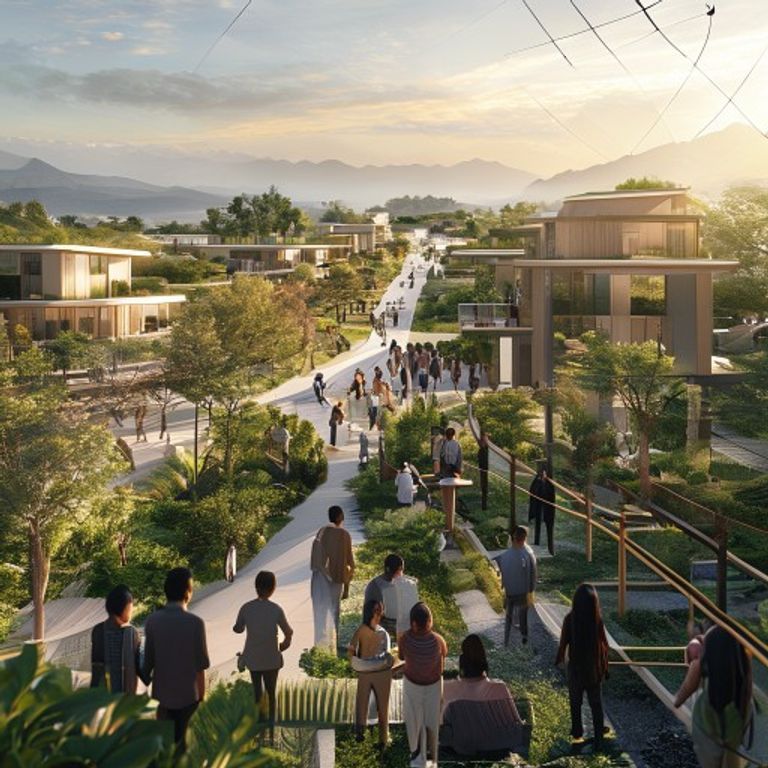
Bhutan’s Vision: Gelephu Mindfulness City Aims to Reverse Youth Emigration
In the majestic Himalayas, the Kingdom of Bhutan has long captivated global attention with its unique philosophy of Gross National Happiness (GNH), prioritizing spiritual and environmental well-being over mere economic growth. Renowned for its pristine landscapes, rich Buddhist culture, and a steadfast commitment to sustainability, Bhutan now confronts a significant contemporary challenge: a troubling trend of youth emigration. As its bright young minds increasingly seek opportunities abroad, the Bhutanese government has unveiled an audacious and visionary response: the development of Gelephu Mindfulness City. This ambitious initiative is more than an urban development project; it’s a profound declaration of Bhutan’s intent to forge a future where economic advancement seamlessly integrates with the preservation of its cherished cultural heritage and an unwavering commitment to ecological sustainability. With substantial support from neighboring India, promising enhanced infrastructure and crucial rail connectivity, Gelephu Mindfulness City is envisioned as a beacon of hope, designed to inspire young Bhutanese to choose to remain, thrive, and contribute to their homeland, reimagining the essence of progress in the 21st century.
The Exodus: A Quiet Crisis for the Land of Happiness
Bhutan’s tranquil facade often masks a deeper, more pressing concern. For decades, the nation has prided itself on providing a high quality of life, focusing on education, healthcare, and environmental conservation. However, the allure of global opportunities, particularly in developed Western countries and Australia, has led to a noticeable “brain drain.” Statistics from the Department of Immigration reveal a stark reality: thousands of young Bhutanese are leaving the country annually, driven by a quest for better educational prospects, higher-paying jobs, and broader life experiences. This consistent outflow depletes the domestic talent pool and poses significant demographic and economic challenges for a nation with a population of around 800,000, impacting the long-term viability of communities and economic dynamism. The impact is felt across various sectors, from healthcare to education, as institutions struggle to retain qualified professionals, challenging the very notion of Gross National Happiness, which implicitly relies on a thriving, engaged populace rooted in their homeland.
Young Bhutanese frequently cite limited career diversification, perceived saturation in traditional government jobs, and a desire for competitive salaries as primary motivations for seeking fortunes abroad. The globalized world, with its easy access to information and international narratives of success, has inevitably influenced aspirations, creating a dissonance between traditional Bhutanese values of simplicity and the modern pursuit of material prosperity. The government recognizes that addressing this trend requires more than just economic incentives; it demands a holistic vision that resonates with the aspirations of a new generation while remaining true to Bhutan’s unique identity.
Gelephu Mindfulness City: A Vision for Integrated Development
At the heart of Bhutan’s strategic response lies the ambitious Gelephu Mindfulness City project. Unveiled by His Majesty King Jigme Khesar Namgyel Wangchuck, this mega-project represents a paradigm shift in national development strategy. Located in the Sarpang district, bordering India, Gelephu is envisioned as a “Special Administrative Region” spanning approximately 1,000 square kilometers. Rooted in Bhutan’s GNH principles, the city’s philosophy is to create an urban environment that is economically vibrant, culturally rich, and ecologically pristine. It’s designed as a “mindfulness city” in ethos, promoting holistic well-being and harmonious coexistence between humanity and nature.
The city’s blueprint is multifaceted, intending to serve as an economic hub that attracts foreign direct investment (FDI) and fosters domestic entrepreneurship, particularly in sectors aligned with Bhutan’s unique strengths and values. It aims to diversify the economy beyond its traditional reliance on hydropower and tourism, creating a dynamic ecosystem that offers diverse and fulfilling career paths for young Bhutanese. This involves developing world-class infrastructure, cutting-edge technology parks, and a regulatory framework that encourages innovation and business growth, all while adhering to the highest standards of environmental protection and cultural preservation. The vision is to build a city that is not only economically competitive but also a living embodiment of Bhutan’s distinct national character.
Economic Advancement: Diversifying Beyond Tradition
Gelephu Mindfulness City is slated to become a crucible for economic innovation. The government plans to attract industries that align with Bhutan’s environmental consciousness and strategic advantages. Key sectors targeted for development include:
- High-Tech and IT Services: Leveraging Bhutan’s growing digital literacy, the city aims to establish technology parks and incubators, fostering innovation in software development, data analytics, and digital services, creating globally competitive jobs.
- Sustainable Agriculture and Agro-processing: Building on Bhutan’s organic farming policies, Gelephu will promote advanced agricultural practices, research into climate-resilient crops, and value-added processing of agricultural products, creating opportunities in farming and food technology.
- Clean Energy and Green Technologies: Given Bhutan’s abundant hydropower resources and commitment to carbon neutrality, the city will be a hub for renewable energy research, development, and manufacturing, positioning Bhutan as a leader in sustainable energy solutions.
- Logistics and Trade Hub: Its strategic location near the Indian border makes Gelephu ideal for developing into a multimodal logistics and trade hub, facilitating cross-border commerce and acting as a gateway for goods and services.
- Education and Research: World-class educational institutions and research centers focusing on areas like sustainability, Himalayan studies, and Buddhist philosophy will be established, nurturing local talent and attracting international scholars.
- Mindfulness and Wellness Tourism: Capitalizing on Bhutan’s global reputation for spiritual well-being, Gelephu will develop high-end mindfulness retreats, wellness centers, and eco-tourism initiatives that offer unique, transformative experiences.
The establishment of a favorable business environment, streamlined regulations, and attractive investment incentives are crucial components of this economic strategy. The government aims to create a thriving private sector that complements its traditional public sector-driven economy, offering a wide array of choices for young Bhutanese seeking professional growth and entrepreneurial ventures within their own country.
Cultural Preservation: A City Rooted in Heritage
A core tenet of Gelephu Mindfulness City is the unwavering commitment to preserving Bhutan’s unique cultural identity. Unlike many modernization projects that risk diluting local traditions, Gelephu is designed to be a living embodiment of Bhutanese heritage. Architectural guidelines will mandate the integration of traditional Bhutanese design elements, ensuring that new constructions resonate with the nation’s aesthetic and spiritual values. Public spaces will be designed to foster community engagement, traditional festivals, and the arts, serving as platforms for cultural expression and transmission across generations.
The city will feature cultural centers, museums, and performance venues that celebrate Bhutanese art, music, dance, and religious practices. Educational institutions within Gelephu will emphasize Dzongkha, the national language, and traditional knowledge systems, ensuring that young Bhutanese remain connected to their roots even as they embrace global advancements. The goal is to create an environment where cultural authenticity is not merely preserved but actively lived and evolved, demonstrating that modernity and tradition can coexist harmoniously. This approach directly counters concerns that economic development might lead to cultural erosion, instead positioning culture as a foundational pillar of the city’s identity and appeal.
Ecological Sustainability: Bhutan’s Green Testament
Bhutan is globally renowned for its carbon-negative status and its constitutional mandate to maintain at least 60% forest cover. Gelephu Mindfulness City will uphold and even amplify these environmental credentials. Ecological sustainability is not an afterthought but a foundational principle guiding every aspect of the city’s development. The master plan incorporates:
- Green Infrastructure: Extensive use of renewable energy sources, advanced waste management systems, water conservation technologies, and sustainable urban planning that prioritizes public transport, cycling, and pedestrian zones.
- Biodiversity Conservation: Integration of green corridors, protected natural areas within and around the city, and strict policies to minimize ecological footprint and protect local flora and fauna. The city will serve as a model for urban biodiversity.
- Eco-Friendly Construction: Promotion of sustainable building materials, energy-efficient designs, and a reduced carbon footprint in all construction activities. Buildings will be designed to blend seamlessly with the natural landscape.
- Climate Resilience: Development strategies will incorporate measures to adapt to climate change impacts, such as intelligent water management systems to mitigate floods and droughts, and resilient infrastructure.
By championing these principles, Gelephu Mindfulness City aims to set a global benchmark for sustainable urban development, proving that economic prosperity and ecological preservation are not mutually exclusive but can be mutually reinforcing. It’s a testament to Bhutan’s philosophy that true progress must be measured not just in economic terms, but in environmental health and collective well-being.
India’s Pivotal Role: A Strategic Partnership
The successful realization of Gelephu Mindfulness City is significantly bolstered by the strategic partnership with India. India’s commitment extends beyond diplomatic goodwill, encompassing tangible support crucial for the project’s infrastructure backbone. Key aspects of this collaboration include:
- Infrastructure Development: India is actively supporting the development of critical infrastructure, including roads, bridges, and power grids, essential for the city’s foundation and connectivity.
- Rail Connectivity: A landmark development is the planned railway line connecting Gelephu to Assam in India. This rail link will dramatically enhance logistics, facilitate trade, and provide Bhutan with a vital conduit to India’s vast railway network, opening up new economic corridors and reducing transportation costs. This is a game-changer for landlocked Bhutan.
- Air Connectivity: Discussions are also underway to enhance air links, further integrating Gelephu into regional and international travel networks, crucial for attracting investments and facilitating tourism.
- Economic Cooperation: India is expected to be a major source of investment and technical expertise, with Indian businesses potentially establishing operations in Gelephu, fostering economic growth and job creation. This aligns with India’s “Neighborhood First” policy and strengthens bilateral ties.
This deep collaboration underscores the strong bond between Bhutan and India, highlighting India’s role as a trusted partner in Bhutan’s developmental aspirations. The enhanced connectivity promises to unlock Gelephu’s full potential as a regional economic powerhouse, making it more accessible for trade, tourism, and talent.
Challenges and the Path Forward
While the vision for Gelephu Mindfulness City is inspiring, its realization is not without challenges. Significant hurdles include securing substantial long-term funding, attracting and retaining a highly skilled workforce, developing a robust regulatory framework that balances innovation with Bhutanese values, and managing the environmental impact of large-scale construction. There is also the crucial task of ensuring that the city genuinely resonates with young Bhutanese, offering them compelling reasons to choose their homeland over global alternatives.
The government’s determination, however, remains unwavering. Through transparent planning, international partnerships, and a clear articulation of its long-term vision, Bhutan aims to overcome these obstacles. The success of Gelephu Mindfulness City will not only be measured in economic indicators but also in its ability to stem youth emigration, strengthen national identity, and set a precedent for truly sustainable and humane urban development. It represents a bold leap for a nation that has consistently sought a path distinct from conventional development models.
Conclusion: A Mindful Future for Bhutan
Bhutan’s initiative to build Gelephu Mindfulness City is more than just a grand urban project; it is a profound philosophical statement and a strategic investment in its future. By addressing the critical issue of youth emigration through a holistic development model that champions economic opportunity, cultural preservation, and ecological sustainability, Bhutan aims to create a compelling narrative for its young generation. The unwavering support from India adds significant momentum, transforming the vision into a tangible reality.
As the world grapples with the complexities of urbanization and development, Gelephu Mindfulness City offers a potentially transformative model – a city built on the principles of Gross National Happiness, where progress is measured by the well-being of its people and the health of its planet. This ambitious endeavor hopes to not only reverse the tide of emigration but also to inspire a new generation of Bhutanese to innovate, thrive, and contribute to a future that is distinctly Bhutanese, a future mindful of its heritage and its planet, a future that redefines what it means to be truly prosperous.