
 By NewsMatrix
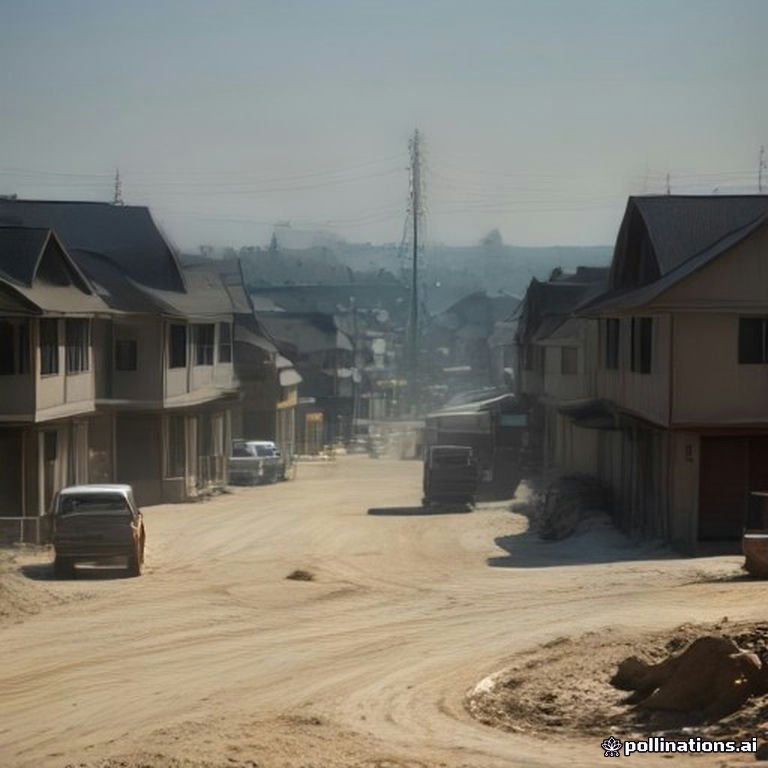
Beadlings Secure $530,000 Verdict Against Mining Operation for Dust and Noise
NewsMatrix – In a landmark decision that underscores the growing tension between industrial operations and community well-being, Josephine and Keith Beadling have emerged victorious in their protracted legal battle against G. Lopes Construction Inc. and Bette Maki. A jury has awarded the couple a substantial sum of $530,000 for the pain, suffering, and property damage inflicted by years of relentless dust and noise emanating from a nearby mining operation. This significant ruling shines a spotlight on the critical environmental concerns and profound quality-of-life issues that arise when sand and gravel extraction occurs in residential neighborhoods, highlighting the complex challenges of Residential Mining Impact.
Introduction: A Community’s Cry for Justice Answered
For years, the serene lives of Josephine and Keith Beadling were disrupted by a persistent assault on their home and tranquility. What began as an unwelcome nuisance escalated into an intolerable burden, characterized by pervasive dust coating every surface and a constant cacophony of industrial noise that permeated their daily existence. Their plight, unfortunately, is not unique, reflecting a broader pattern where industrial expansion encroaches upon established communities, often with detrimental effects. The recent verdict in their favor against G. Lopes Construction Inc. and Bette Maki is more than just a financial award; it represents a powerful affirmation of property rights, environmental justice, and the fundamental right of residents to live free from undue industrial interference. This case sets a crucial precedent, compelling industries to acknowledge and mitigate the significant **Residential Mining Impact** of their operations, especially when located in close proximity to human habitation.
The substantial damages awarded—$530,000—are intended to compensate the Beadlings for a spectrum of grievances, including the diminution of their property value, the cost of constant cleaning and repairs, and the immeasurable toll on their mental and physical well-being. This article delves into the specifics of this pivotal legal battle, explores the wider implications for environmental regulation and community advocacy, and examines the ongoing debate surrounding the responsible siting and operation of extractive industries near residential zones.
The Genesis of Conflict: Dust, Noise, and Disrupted Lives
Years of Persistent Complaints
The conflict between the Beadlings and the mining operation was not sudden. It was a slow-burning issue, characterized by years of escalating complaints that initially went unheeded. Residents living near sand and gravel mining sites frequently report similar issues: fine particulate matter—dust—that settles on homes, cars, and vegetation, infiltrating HVAC systems and respiratory tracts. This dust, often containing silica, can pose serious health risks over prolonged exposure, contributing to respiratory illnesses such as silicosis and other lung conditions. Beyond the tangible dust, the constant grinding, crushing, and hauling operations generate significant noise pollution, disturbing sleep, hindering communication, and eroding the peace of mind typically associated with homeownership.
For the Beadlings, these were not abstract concerns. They lived with them daily. Their home, once a sanctuary, became a site of continuous battle against the elements unleashed by the nearby extraction. Property maintenance became an arduous, never-ending task, and the simple pleasures of outdoor living were severely curtailed by the incessant noise and the ever-present threat of airborne particles. Their persistent efforts to resolve these issues through direct communication with the mining operators and local authorities proved largely fruitless, leaving them with little recourse but to pursue legal action.
The Legal Battle Unfolds: A Fight for Accountability
Building a Case Against Industrial Negligence
Facing an entrenched industrial operation, the Beadlings embarked on a challenging legal journey. Their case centered on allegations of nuisance and negligence, arguing that G. Lopes Construction Inc. and Bette Maki had failed in their duty to operate their mining facility in a manner that did not infringe upon the rights and well-being of neighboring residents. Key to their success was the meticulous collection of evidence over many years. This likely included:
- Detailed Logs: Records of dust accumulation, noise levels, and complaints filed.
- Expert Testimonies: Environmental scientists, acoustical engineers, and medical professionals providing insights into the impact of the mining activities.
- Property Damage Assessments: Documentation of reduced property value and the cost of remediation.
- Personal Accounts: Emotional and physical tolls experienced by the Beadlings due to the persistent disturbances.
The legal process for environmental nuisance cases can be arduous, requiring substantial resources and unwavering determination. The defense typically argues that their operations comply with permits, are essential for economic development, and that any impacts are within acceptable limits. However, the Beadlings’ ability to demonstrate a clear and sustained pattern of harm, coupled with the defendants’ alleged failure to adequately address these concerns, proved compelling to the jury.
The Verdict: A Message from the Jury
$530,000 for Pain, Suffering, and Property Damage
The jury’s decision to award Josephine and Keith Beadling $530,000 is a resounding affirmation of their claims. This sum was specifically allocated to cover “pain, suffering, and property damage.” The inclusion of “pain and suffering” is particularly noteworthy, as it acknowledges the non-economic damages—the emotional distress, loss of enjoyment of life, and physical discomfort—that are often overlooked in purely economic analyses of industrial impact. The property damage component reflects the tangible losses, such as decreased home value, the constant need for cleaning, and potential structural issues arising from dust and vibrations.
This verdict sends a clear message to G. Lopes Construction Inc., Bette Maki, and indeed, to the broader extractive industry: the costs of doing business must include the responsibility to protect neighboring communities. It highlights that compliance with minimal regulatory standards is not always sufficient to absolve an operator of liability if their activities cause substantial harm to others. The jury, as a representation of the community, unequivocally sided with the residents, underscoring the societal expectation that industries must operate sustainably and with due regard for their immediate environment and human neighbors.
Broader Implications and Precedent: Shaping Future Policy
The Environmental and Social Cost of Extraction
The Beadlings’ case transcends their individual triumph; it carries significant implications for environmental law, urban planning, and the future of industrial development. Sand and gravel are indispensable resources for construction and infrastructure projects, but their extraction often carries a heavy environmental and social footprint. The proximity of such operations to residential areas exacerbates these issues, turning what could be a contained industrial process into a direct challenge to public health and quality of life.
This verdict could encourage other communities experiencing similar issues to pursue legal avenues. It also serves as a potent reminder to regulatory bodies—local, state, and national—that their oversight is crucial. Weak enforcement or inadequate zoning regulations can leave communities vulnerable. The case prompts a reevaluation of:
- Siting Regulations: Are current buffer zones adequate? Should new mining operations be permitted closer to residential areas?
- Permitting Processes: Do environmental impact assessments sufficiently account for long-term community effects, including cumulative dust and noise exposure?
- Enforcement Mechanisms: Are existing regulations effectively enforced, and are penalties sufficient to deter non-compliance?
- Industry Best Practices: What technologies and operational changes can mitigate dust, noise, and other environmental impacts more effectively?
Globally, similar conflicts are playing out as demand for raw materials increases. From open-pit mines in developing nations impacting indigenous communities to quarry operations in developed countries affecting suburban dwellers, the tension between resource extraction and human habitation is a universal challenge. The Beadlings’ victory offers a blueprint for how communities can fight back and win, establishing a precedent that can empower others.
Community Advocacy and Sustainable Practices: A Path Forward
Balancing Progress with Protection
This case underscores the vital role of community advocacy in holding powerful entities accountable. The Beadlings’ persistence, despite likely facing significant stress and financial strain, ultimately paid off. Their journey highlights the importance of:
- Organized Opposition: Communities can collectively gather evidence, share experiences, and pool resources.
- Seeking Legal Counsel: Expert legal guidance is often essential in navigating complex environmental and corporate law.
- Engaging with Regulators: Continuously informing and pressuring local and regional authorities to act.
For the extractive industry, the verdict should serve as a wake-up call. Investing in sustainable practices is not merely a corporate social responsibility initiative; it is an economic imperative. Proactive measures to minimize environmental impact, such as:
- Advanced Dust Suppression Technologies: Implementing state-of-the-art systems to control particulate emissions.
- Noise Mitigation: Using quieter machinery, erecting sound barriers, and scheduling noisy operations during less disruptive hours.
- Rehabilitation and Reclamation: Planning for post-extraction land use and environmental restoration from the outset.
- Community Engagement: Establishing transparent communication channels and responding promptly to resident concerns.
These strategies are no longer optional but essential for maintaining social license to operate and avoiding costly legal battles and reputational damage.
Conclusion: A Victory for Residential Integrity
The half-million-dollar verdict in favor of Josephine and Keith Beadling is a monumental victory, not just for the couple themselves, but for countless communities grappling with the direct consequences of industrial activity. It reaffirms the principle that corporations have a responsibility to operate without causing undue harm to their neighbors and that individuals have the right to seek redress when that responsibility is neglected. The **Residential Mining Impact** is a critical issue that demands careful consideration, robust regulation, and proactive industry practices.
As the global demand for resources continues to grow, the conflicts between industrial development and residential peace will likely intensify. The Beadlings’ case stands as a powerful reminder that while progress is essential, it must not come at the irreparable expense of public health, environmental quality, or the fundamental right to a peaceful home. This ruling ensures that the dust and noise of industry will be scrutinized more closely, paving the way for a future where economic activity and community well-being can coexist more harmoniously.