
 By NewsMatrix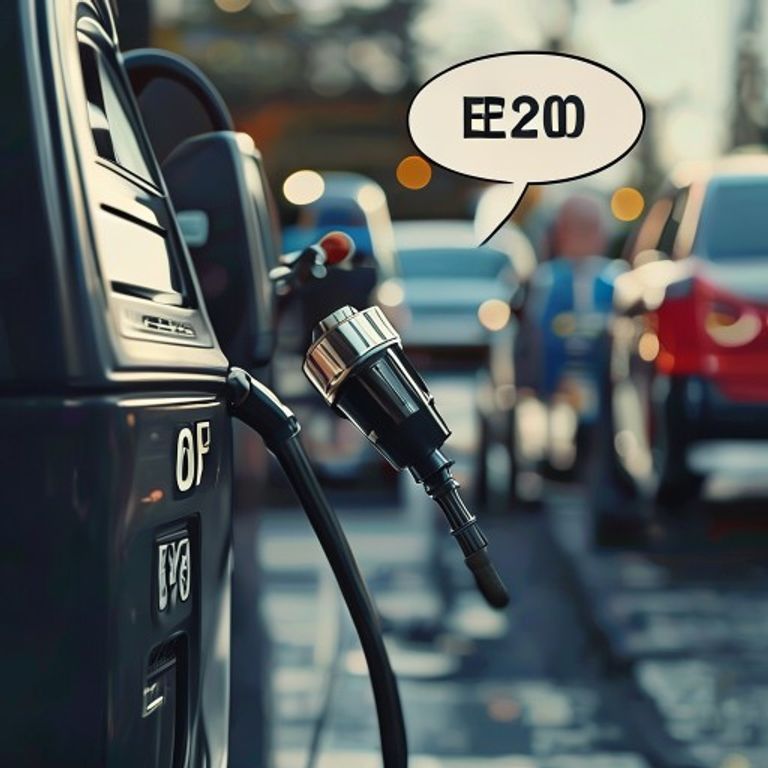
Arvind Kejriwal Raises E20 Petrol Compatibility Concerns Amidst Automotive Industry Support
New Delhi – A recent political skirmish has brought the crucial issue of E20 petrol compatibility for vehicles manufactured prior to 2023 into sharp focus. Delhi Chief Minister Arvind Kejriwal has vocalized significant concerns, alleging undue pressure from the central government on automakers to hasten the transition to E20 fuel. He warned that vehicles not specifically designed for this higher ethanol blend might face irreparable damage and experience a decline in performance. These claims, however, have been swiftly and emphatically dismissed by the ruling Bharatiya Janata Party (BJP), which points to robust statements from leading figures within the automotive industry affirming E20 petrol’s safety and efficacy following extensive testing and validation. The controversy underscores the complex interplay between environmental policy, industrial readiness, and political accountability as India pushes towards greener fuel alternatives.
The debate surrounding E20 petrol compatibility is not merely a technical one; it is deeply entrenched in India’s ambitious energy transition goals. The E20 initiative, which mandates a blend of 20% ethanol with 80% gasoline, is a cornerstone of the nation’s strategy to reduce its heavy reliance on crude oil imports, mitigate carbon emissions, and bolster the agricultural sector through increased demand for domestically produced ethanol. While the broader objectives are largely supported, the practical implications for the vast fleet of existing vehicles on Indian roads present a unique set of challenges and concerns that demand careful consideration and transparent communication from all stakeholders.
Kejriwal’s Allegations: Pre-2023 Vehicles at Risk?
Addressing the media, Chief Minister Arvind Kejriwal articulated his apprehensions with a pointed critique of the Centre’s approach. He asserted that the alleged pressure on automobile manufacturers to quickly adopt E20 standards without adequate preparation for older models could have severe repercussions for consumers. According to Kejriwal, vehicles produced before 2023, which constitute a substantial portion of the nation’s active vehicle park, were not engineered to handle the higher ethanol content found in E20 petrol. He cited potential issues ranging from accelerated wear and tear of engine components, degradation of fuel lines and seals, to decreased fuel efficiency and overall performance degradation. His argument posits that such damages would unfairly burden vehicle owners, forcing them into expensive repairs or premature vehicle replacements, thereby creating an economic strain on millions of households.
Kejriwal further suggested that this alleged pressure from the government might be sidelining thorough research and development, potentially compromising vehicle longevity and consumer safety for the sake of an expedited policy rollout. He called for a more cautious and phased approach, advocating for clear guidelines and perhaps even incentives for consumers to upgrade, rather than what he perceived as an imposition with potentially adverse consequences. The Chief Minister’s statements resonated with a segment of the public already apprehensive about the costs associated with new environmental regulations and technological shifts in the automotive sector.
The E20 Mandate: India’s Biofuel Ambitions
To fully understand the context of this controversy, it is essential to delve into India’s E20 mandate and its broader biofuel program. India has set an aggressive target to achieve a 20% ethanol blending in petrol nationwide by 2025, a goal that was initially set for 2030 but later advanced. This initiative is driven by several strategic imperatives: energy security, environmental sustainability, and agricultural prosperity. Reducing crude oil imports significantly lessens the import bill, bolstering the national economy. Environmentally, ethanol blends are known to reduce emissions of carbon monoxide, unburnt hydrocarbons, and particulate matter, contributing to cleaner air quality, especially in urban centers.
The shift to E20 petrol is facilitated by the increased domestic production of ethanol, primarily from sugarcane and other agricultural waste products. This creates a symbiotic relationship between the agricultural sector and the energy sector, offering additional income streams for farmers and reducing agricultural waste. The government highlights that the move is a critical step towards a greener, more self-reliant India. The policy has spurred significant investment in ethanol production infrastructure and automotive R&D to develop E20-compliant vehicles. This dual benefit—economic and ecological—forms the bedrock of the Centre’s commitment to the E20 rollout.
BJP’s Rebuttal: Industry Assurances and Comprehensive Testing
In a strong counter-response, the Bharatiya Janata Party unequivocally dismissed Kejriwal’s allegations as unfounded and politically motivated. BJP spokespersons highlighted that the government’s E20 initiative is a result of extensive consultations with industry experts, automotive manufacturers, and rigorous scientific testing. They referenced numerous public statements from prominent leaders within the automotive sector who have confirmed that E20 petrol is safe for use in compliant vehicles and that new vehicles being rolled out are specifically designed to accommodate this blend without issues.
The BJP emphasized that the automotive industry itself has been an active participant in the E20 transition, investing heavily in research, development, and manufacturing processes to ensure vehicle compatibility. Leading industry bodies and individual automakers have, on various platforms, reiterated their commitment to the E20 roadmap, outlining the comprehensive validation processes undertaken for new models. These processes include extensive engine testing, material compatibility assessments, and long-term durability evaluations, all aimed at ensuring that vehicles are robust enough to handle the higher ethanol blend without compromising performance or longevity. The party argued that Kejriwal’s claims overlook these meticulous efforts and widespread industry support, presenting an incomplete and misleading picture to the public.
Automotive Industry’s Preparedness and Technical Adaptations
The automotive industry has indeed been proactive in its preparations for the E20 transition. Major manufacturers in India have begun rolling out E20-compliant vehicles, which are clearly marked to indicate their compatibility. These vehicles incorporate several technical adaptations to handle the ethanol blend effectively. These include:
- Upgraded fuel systems with ethanol-resistant materials for fuel lines, pumps, and injectors.
- Engine management systems recalibrated to optimize combustion with E20 fuel.
- Enhanced corrosion-resistant components throughout the fuel delivery and engine systems.
- Sensors capable of accurately reading and adjusting for different ethanol percentages.
For vehicles not designed for E20, particularly those manufactured before the industry-wide shift, the concerns raised by Kejriwal are technically plausible to a certain extent. Older rubber and plastic components in fuel systems can degrade when exposed to higher concentrations of ethanol, leading to leaks, fuel delivery issues, and potential engine damage. However, the industry has also been working on providing clear guidance to consumers regarding the compatibility of their older vehicles, with some suggesting specific retrofit kits or advising against E20 use in non-compliant models. This highlights a nuanced approach rather than a blanket incompatibility.
Leading automotive figures have consistently underscored their commitment to safety and quality, asserting that no vehicle would be released without thorough testing for E20 compatibility where applicable. The Society of Indian Automobile Manufacturers (SIAM) has been instrumental in facilitating dialogue between the government and industry, ensuring a coordinated approach to the E20 rollout. Their statements reinforce the view that the industry is largely aligned with the government’s vision, albeit with an understanding of the phased nature of vehicle upgrades.
Economic and Environmental Implications for the Consumer
Beyond the technical and political aspects, the E20 transition carries significant economic and environmental implications for the average consumer. From an economic standpoint, E20 petrol is generally expected to be slightly cheaper than conventional gasoline due to the lower cost of ethanol production. This could offer some relief at the pump for consumers. However, there are also concerns about a potential slight decrease in fuel efficiency with E20 due to ethanol’s lower energy density compared to gasoline. While modern E20-compliant engines are designed to minimize this impact, it remains a point of consideration for motorists.
Environmentally, the benefits are clearer. The reduction in greenhouse gas emissions and particulate matter contributes to better air quality, a tangible gain for public health, especially in densely populated urban areas. For consumers, this translates to supporting a cleaner environment through their fuel choice. The government’s push also aims to stabilize fuel prices in the long run by reducing dependence on volatile international crude oil markets, potentially shielding consumers from extreme price fluctuations. The challenge lies in balancing these long-term benefits with any short-term inconveniences or costs, particularly for owners of older, non-E20 compliant vehicles.
Conclusion: Navigating the Future of Fuel Compatibility
The ongoing dialogue between Arvind Kejriwal and the BJP regarding E20 petrol compatibility for older vehicles highlights a critical juncture in India’s energy transition. While Kejriwal’s concerns about potential damage to pre-2023 vehicles and alleged governmental pressure bring important consumer protection issues to the forefront, the BJP’s rebuttal, backed by assurances from the automotive industry, emphasizes the rigorous testing and validation processes undertaken. The push for E20 is an ambitious, multifaceted initiative aimed at enhancing energy security, improving air quality, and supporting the agricultural sector.
As India progresses towards its E20 blending targets, transparent communication, clear guidelines for consumers, and continued collaboration between policymakers, industry, and environmental experts will be paramount. Vehicle owners, especially those with older models, require precise information regarding their vehicles’ compatibility and any necessary adjustments or considerations. The successful integration of E20 petrol across the nation will ultimately depend not only on the technological readiness of the automotive sector but also on effective public engagement and reassurance that the transition will be managed equitably, ensuring that the drive towards a sustainable future does not inadvertently leave a significant portion of the populace facing unforeseen challenges.