
 By NewsMatrix
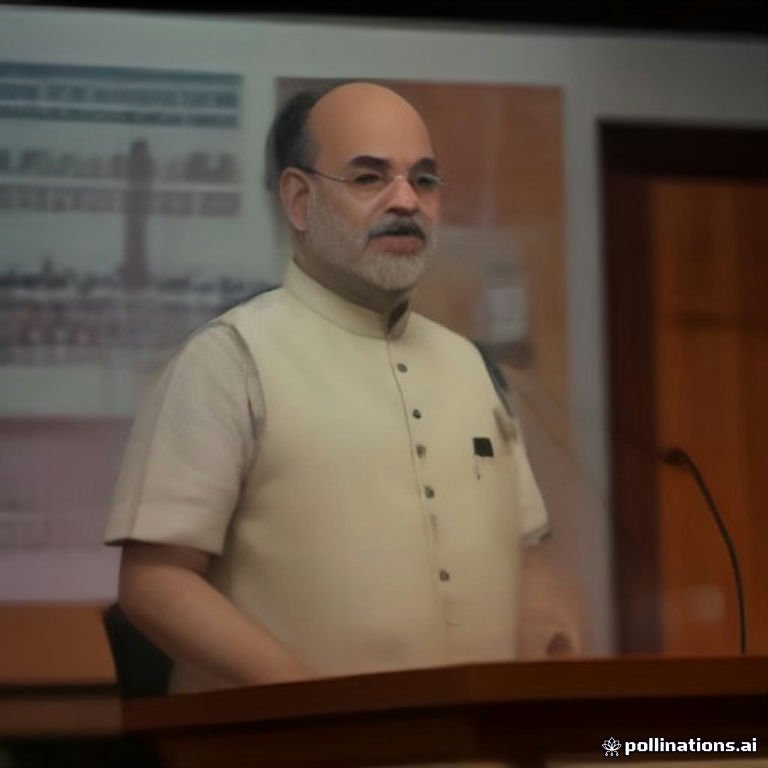
Union Home Minister Amit Shah Condemns Congress Over ‘Insensitive Jalsa,’ Reopening Painful Memories
Chandigarh, India – Union Home Minister Amit Shah, during a significant visit to Chandigarh, unleashed a sharp rebuke against the Congress party, accusing it of demonstrating a profound lack of sensitivity towards a tragedy that continues to inflict painful memories upon its victims and their families. Shah’s powerful Amit Shah Congress remarks came amidst a solemn occasion where he inaugurated and laid the foundation stones for a series of ambitious development projects valued at Rs 258 crore, underscoring a stark juxtaposition between governmental progress and heated political discourse. The controversy ignited by Shah’s statement has quickly become a focal point in the national political arena, stirring debate on historical remembrance, political propriety, and the enduring scars of past events.
A Day of Development Marked by Political Firepower
The Union Home Minister’s visit to Chandigarh was primarily scheduled to bolster the region’s infrastructure and development trajectory. With projects spanning various critical sectors, the Rs 258 crore investment is poised to bring significant advancements, promising enhanced public services and economic growth for the union territory. Shah, in his address, highlighted the government’s unwavering commitment to progress and nation-building, emphasizing a vision for a developed and prosperous India. However, the tone of his address shifted dramatically as he veered into a stinging critique of the opposition.
Addressing a substantial gathering, Shah articulated his government’s dedication to ensuring that the fruits of development reach every citizen. He spoke at length about the various initiatives undertaken by the central government, designed to uplift communities and foster an environment of inclusive growth. The projects inaugurated and initiated are expected to improve urban amenities, connectivity, and social infrastructure, reflecting a comprehensive approach to regional development. This segment of his speech was met with enthusiastic applause, illustrating public appreciation for tangible progress.
Yet, the political undercurrents of the day were undeniable. In India’s vibrant democracy, even events centered on development often provide a platform for leaders to engage in political messaging. Shah, a seasoned political strategist, utilized this opportunity not only to showcase his government’s achievements but also to launch a pointed attack on the principal opposition party, bringing a historical perspective into the contemporary political narrative.
The ‘Jalsa’ and the Echo of Painful Memories
The crux of Shah’s accusation revolved around a “jalsa,” or public gathering/celebration, allegedly organized by the Congress. While the specific event was not detailed in the minister’s public remarks, his implication was clear: this particular “jalsa” was perceived as an insensitive act that callously reopened old wounds for those who suffered from a past tragedy. “The ‘jalsa’ would reopen painful memories for the victims and their families,” Shah stated unequivocally, his voice resonating with conviction. He further accused the Congress of “showing little sensitivity towards the tragedy.”
The reference to “painful memories” without specifying the exact historical event allows for a broader interpretation, yet it unequivocally points to a significant, widely known tragedy in India’s past. Indian political discourse is often intertwined with historical events, and references to communal clashes, massacres, or other national traumas are frequently invoked to score political points or highlight perceived moral failings of rival parties. Shah’s choice of words suggests that the Congress’s actions, in his view, disregarded the profound emotional and psychological impact such events continue to have on survivors and their descendants.
This accusation brings to the fore the delicate balance between political freedom of expression and the need for empathetic public conduct, especially when dealing with historical sensitivities. For victims and their families, memories of past suffering can remain acutely present, and any perceived trivialization or celebration deemed inappropriate can cause immense distress. Shah’s remarks aimed directly at this sensitive nerve, portraying the Congress as detached from the emotional realities of a significant section of the populace.
The term “jalsa” itself, carrying connotations of festivity or grand assembly, further sharpens the critique. If the event indeed was celebratory in nature, especially close to the remembrance of a tragic incident, it would understandably draw criticism from those who feel such a display is disrespectful. The political dimension here is not just about the event itself, but about the optics and the message it sends to a public still grappling with historical grievances.
Historical Context and Political Weaponization of Memory
India’s history is replete with moments of both triumph and profound sorrow. Various political parties, across the ideological spectrum, have often leveraged these historical narratives to shape contemporary political battles. The invocation of “painful memories” is a powerful rhetorical tool, capable of galvanizing public sentiment and framing political opponents as uncaring or morally compromised. Shah’s remarks fit within a long-standing pattern of political actors using historical memory as a battleground.
The accusation leveled by Shah against the Congress serves multiple purposes. Firstly, it attempts to discredit the opposition by questioning its moral compass and empathy. Secondly, it seeks to align the ruling party with the sentiments of victims and their families, portraying themselves as the guardians of justice and remembrance. Thirdly, it keeps alive certain narratives that might be politically advantageous, reminding the electorate of past perceived misdeeds or insensitivities of rival parties.
For decades, India has grappled with the aftermath of various tragedies, from the partition of 1947 to communal riots, natural disasters, and acts of terrorism. Each of these events has left an indelible mark, and the memory of them is often preserved through memorials, commemorations, and public discourse. When these memories are invoked in a political context, they can rekindle old debates, deepen existing divisions, or, conversely, foster a sense of shared national identity and purpose.
The political implications of such statements are far-reaching. They can influence voter perception, shape media narratives, and contribute to the broader ideological struggle between competing political visions. By framing the Congress’s actions as insensitive, Shah not only criticizes a specific event but also casts a shadow over the party’s broader legacy and ethos, potentially impacting its standing among key voter demographics.
The Broader Political Landscape and Electoral Strategy
Amit Shah’s comments also need to be understood within the larger framework of India’s dynamic political landscape. With various state elections on the horizon and the national general elections never too far from strategic calculations, political rhetoric often becomes sharper and more direct. Accusations of insensitivity or historical revisionism are potent weapons in the electoral arsenal, designed to sway public opinion and consolidate vote banks.
The ruling Bharatiya Janata Party (BJP), of which Shah is a prominent leader, has historically positioned itself as a party deeply rooted in national pride, cultural heritage, and justice for historical wrongs. By contrast, the Congress, while a party with a rich legacy, often faces criticism regarding its handling of certain historical events or its perceived detachment from popular sentiment. Shah’s remarks leverage these existing perceptions, aiming to reinforce the BJP’s narrative and undermine the Congress’s credibility.
Furthermore, the remarks contribute to the ongoing narrative battle between the two major political forces in India. This battle extends beyond policy debates to include interpretations of history, national identity, and moral authority. Each party strives to define the other in negative terms while projecting an image of being the true custodian of national interest and public welfare.
Political analysts suggest that such statements are carefully calibrated to resonate with specific segments of the electorate. They appeal to voters who feel strongly about historical injustices or who believe that certain political parties have not adequately addressed past grievances. By voicing these concerns, Shah positions the BJP as a party that not only remembers but also actively seeks to rectify or acknowledge historical pains, contrasting it with an opposition he labels as indifferent.
Reactions and the Path Forward
While an official response from the Congress party was not immediately detailed alongside Shah’s initial remarks, such strong accusations typically elicit robust denials and counter-allegations. The political arena in India is characterized by a rapid exchange of charges and counter-charges, and it is highly probable that the Congress will issue a strong rebuttal, likely accusing the BJP of politicizing tragedies or deflecting from current issues.
The incident highlights a persistent challenge in India’s public life: how to engage with painful historical memories in a way that promotes healing and understanding rather than deepening political divisions. While leaders have a responsibility to acknowledge and respect past suffering, the political instrumentalization of these memories can sometimes hinder genuine reconciliation and foster an environment of perpetual grievance.
As the political debate unfolds, the media will undoubtedly play a crucial role in disseminating the various perspectives and analyzing the implications of these exchanges. Public discourse will likely oscillate between discussions on the specific merits of Shah’s accusations and broader considerations of political ethics, historical remembrance, and national unity.
Ultimately, the episode in Chandigarh serves as a poignant reminder that in Indian politics, the past is never truly past. It continues to exert a powerful influence on the present, shaping narratives, fueling rivalries, and impacting the trajectory of the nation. The challenge for political leaders and citizens alike remains to navigate these complex historical currents with sensitivity, integrity, and a genuine commitment to the collective well-being.
Conclusion: Development, Diplomacy, and Disputation
Union Home Minister Amit Shah’s visit to Chandigarh, marked by the inauguration of significant development projects, served as a stark illustration of the multifaceted nature of Indian politics. While the government’s commitment to progress was clearly demonstrated through the substantial investments, the political landscape remains fraught with historical grievances and sharp ideological clashes. Shah’s powerful Amit Shah Congress remarks, accusing the Congress of insensitivity by organizing a ‘jalsa’ that reopens painful memories, has injected a fresh wave of controversy into the national discourse.
This incident underscores the intricate dance between governance and political strategy, where even acts of development can become platforms for fervent criticism and historical introspection. The debate sparked by Shah’s accusations will undoubtedly contribute to the ongoing narrative shaping public perception of both the ruling party and the opposition, further solidifying the roles they play in the country’s vibrant, often turbulent, political theatre. As India moves forward, the challenge will be to balance the imperative of progress with the delicate task of acknowledging and respecting the nation’s complex historical legacy, ensuring that political battles do not inadvertently deepen the wounds of the past but rather pave the way for a more sensitive and inclusive future.