
 By NewsMatrix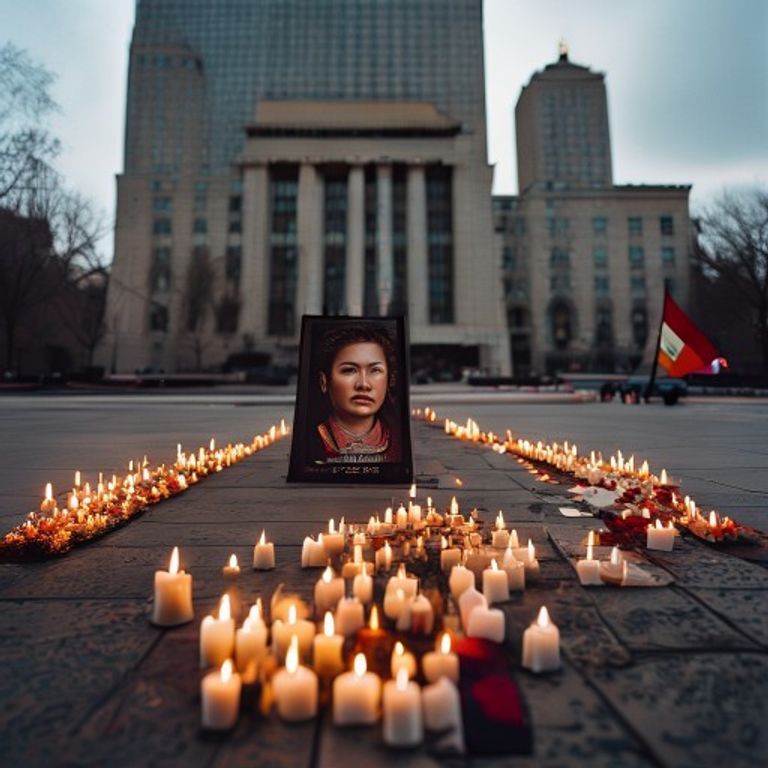
A Silent Cry for Justice: Lobga Rangzen and the Unresolved Crisis in Tibet
The streets of New York, typically bustling with the indifferent pace of global commerce and diplomacy, bore witness to a profound and tragic act of protest that has sent shockwaves through the international community. Lobga Rangzen, a Tibetan activist, chose the steps outside the United Nations headquarters to perform a final, desperate act of self-immolation. This horrific event has not only reignited global attention on the human rights crisis in Tibet but has also forced a necessary, albeit uncomfortable, confrontation with the realities of Chinese rule and the fading international focus on one of the world’s most enduring struggles.
For those watching NewsMatrix, the implications of this event extend far beyond the immediate tragedy. It serves as a stark reminder that the Tibetan struggle, often relegated to the margins of geopolitical discourse, remains a vibrant, albeit painful, reality. This act, while deeply harrowing, underscores the extreme measures individuals feel compelled to take when their culture, identity, and freedom are systematically dismantled.
The Context of Desperation
Lobga Rangzen’s act did not occur in a vacuum. It is a direct response to the intensifying pressure within Tibet, where new assimilation laws threaten to eradicate the last vestiges of traditional Tibetan culture, language, and religion. These policies, characterized by forced boarding schools for Tibetan children and the systematic suppression of religious practices, are framed by Beijing as necessary for development and national unity. For the Tibetan people, however, these are instruments of cultural genocide.
Rangzen joins a long line of individuals who have seen their voices silenced within their own borders. His protest is a continuation of a pattern, representing one of over 150 similar self-immolations that have occurred since 2009. These acts are the ultimate expression of political disenfranchisement, occurring where all other forms of protest—peaceful assembly, free speech, or political organization—are met with swift and brutal repression.
A Fading International Focus
Perhaps the most disturbing aspect of this recent event is the realization of how far Tibet has slipped from the global agenda. Over the last decade, international attention has been diverted by a myriad of other pressing crises—conflicts in the Middle East, the rise of populist movements in the West, and, crucially, the intensifying strategic competition between the United States and China. NewsMatrix has documented how this shift in focus has left the Tibetan cause largely isolated.
The tragedy outside the UN serves as an indictment of this apathy. When human rights issues are viewed solely through the prism of strategic convenience, the moral authority of international institutions is fundamentally compromised. By ignoring the plight of Tibetans to maintain diplomatic or economic ties with Beijing, world powers are not merely practicing pragmatism; they are effectively endorsing the status quo.
The Geopolitical Challenge
The timing of Rangzen’s protest, occurring amidst highly strained US-China relations, presents a complex diplomatic conundrum. For the United States, raising the issue of Tibet is often used as a lever in broader negotiations. However, this instrumentalization of human rights rarely leads to tangible changes on the ground for Tibetans and frequently serves to harden Beijing’s resolve.
The challenge for the international community is to move beyond performative concern and toward substantive, coordinated action. The situation in Tibet highlights a broader crisis in the international order: how to hold major powers accountable for domestic human rights abuses when those powers are central to the global economic system. The conversation this event forces is not just about Tibet, but about the integrity of the international human rights framework itself.
What Needs to Change?
If there is to be any hope of addressing the grievances that led to this tragedy, the following areas must be prioritized:
- Increased monitoring and reporting on the implementation of new assimilation laws in Tibet.
- Coordinated diplomatic pressure from a broad coalition of nations, rather than individual countries acting in isolation.
- Greater support for Tibetan diaspora organizations, which act as the primary, albeit struggling, guardians of Tibetan culture in exile.
- A shift in discourse within international bodies, moving from vague generalities to specific, actionable demands for the restoration of basic human rights.
Conclusion: The Moral Imperative
The act of self-immolation is inherently tragic, and it is a measure of the profound suffering being endured by those under current policies in Tibet. As we at NewsMatrix continue to cover this story, it is imperative to remember that behind the geopolitical rhetoric are real lives, real families, and a centuries-old culture facing an existential threat. Lobga Rangzen’s final protest was a plea for the world to look, to acknowledge, and to act.
The silence that follows such an event is deafening. If the international community continues to prioritize short-term stability over fundamental human rights, it will not only fail the people of Tibet but will also signal a broader retreat from the values that are supposed to underpin our global society. The crisis in Tibet is not merely a regional issue; it is a test of our collective conscience. The question remains: is the world listening?