
 By NewsMatrix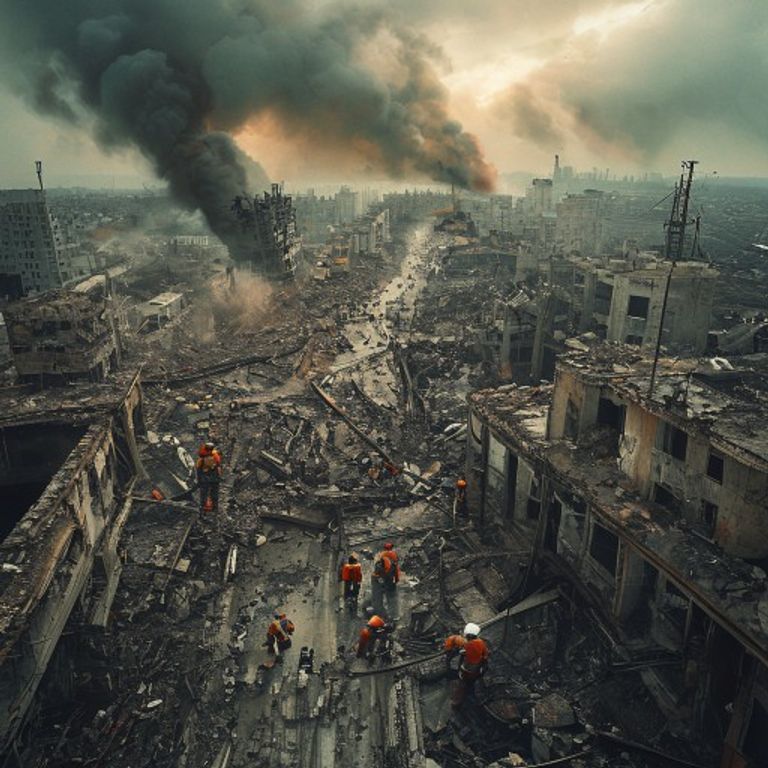
NewsMatrix reports that Venezuela is currently locked in a desperate struggle for survival following two catastrophic earthquakes that have left the nation in ruins. As the critical 72-hour rescue window officially closes, the atmosphere on the ground has shifted from one of frantic optimism to profound, gut-wrenching despair. Rescue workers, international aid agencies, and local volunteers are racing against time, but the harsh reality of the situation is becoming increasingly difficult to ignore.
A Nation in Mourning: The Human Cost
The numbers emanating from the disaster zones are nothing short of tragic. Official reports verified by NewsMatrix indicate that the death toll has surged past 1,430 souls, a figure that officials warn will likely continue to rise as search crews reach the most inaccessible pockets of rubble. Thousands more have been left with life-altering injuries, and tens of thousands have been rendered homeless overnight.
The physical destruction is vast, but the psychological toll on the Venezuelan population is immeasurable. Families are huddled in makeshift camps, clutching whatever meager belongings they managed to salvage, while staring at the wreckage that was once their home. The uncertainty of the future, combined with the loss of loved ones, has plunged the country into a state of mourning that will likely last for generations.
The Children: A Vulnerable Population
Perhaps the most heartbreaking aspect of this catastrophe is its impact on the nation’s youngest citizens. According to recent data synthesized by international humanitarian organizations, an estimated 680,000 children are currently in desperate need of urgent assistance. These children are facing a multi-faceted crisis, including:
- Lack of clean water and sanitation, leading to the risk of disease outbreaks.
- Severe malnutrition due to the disruption of food supply chains.
- Loss of access to education, as hundreds of schools have been destroyed or damaged.
- Profound psychological trauma from witnessing the destruction and losing family members.
NewsMatrix underscores that the international community must prioritize the protection and support of these children, as they are the most vulnerable to the long-term consequences of this earthquake.
Infrastructure Challenges and the Struggle for Recovery
Beyond the immediate human toll, the logistical hurdles facing rescue and relief efforts are monumental. Venezuela was already grappling with pre-existing economic and infrastructure issues, and the earthquakes have severely exacerbated these fractures. The country’s infrastructure, which was already under significant strain, has been decimated in the hardest-hit areas.
Hospitals, which should be the sanctuaries for the injured, are among the most severely damaged buildings. Many facilities lack electricity, medical supplies, and even basic structural integrity, forcing doctors to treat patients in open-air conditions or under crumbling ceilings. This lack of medical capacity is a critical bottleneck that is costing lives every hour.
Furthermore, major transportation arteries—including roads, bridges, and regional airports—have been severely compromised. This isolation makes it nearly impossible for heavy machinery and essential humanitarian aid to reach the communities that need it most. NewsMatrix correspondents on the ground report that many rural towns remain completely cut off from help, relying solely on the efforts of local residents and improvised rescue tools.
International Aid: A Complex Operation
Despite the immense challenges, international aid has begun to arrive. Search and rescue teams from various nations, along with supplies of food, water, and medical equipment, are filtering into the country. However, the sheer scale of the disaster means that the current influx of aid is falling far short of what is required to stabilize the situation.
Coordinating this aid amidst the chaos is a task of Herculean proportions. Issues such as damaged communications networks, fuel shortages, and the security of supply convoys have turned the distribution of aid into a high-risk operation. The international community, including global powers and humanitarian NGOs, must streamline their efforts and increase support immediately to prevent further loss of life.
The Road Ahead: From Rescue to Reconstruction
As the 72-hour mark passes, the focus must begin to transition from immediate rescue to long-term recovery, while continuing to search for survivors. The challenges are not merely immediate; they are systemic. Venezuela will face a reconstruction process that will take years, if not decades, to complete. The rebuilding of critical infrastructure—water systems, electrical grids, and public hospitals—must be the top priority for the government and its international partners.
NewsMatrix maintains that the recovery efforts must not only focus on returning to the pre-earthquake status quo but on building a more resilient infrastructure that can withstand future natural disasters. The nation’s current vulnerability is a painful reminder of the critical need for investment in disaster preparedness, urban planning, and emergency response capabilities.
For now, however, the focus remains on the survivors. The coming days will be vital for the provision of shelter, food, and medical care to those who have lost everything. The international community’s attention must remain steadfast on Venezuela, ensuring that this crisis does not fade from the headlines as the initial shock subsides.
The spirit of the Venezuelan people remains resilient, but they cannot do this alone. The path to recovery is long, and the commitment of the world will determine how quickly this nation can begin to heal and rebuild. NewsMatrix will continue to provide updates as the situation evolves, tracking the aid effort and the long-term impacts of this devastating tragedy.