
 By NewsMatrix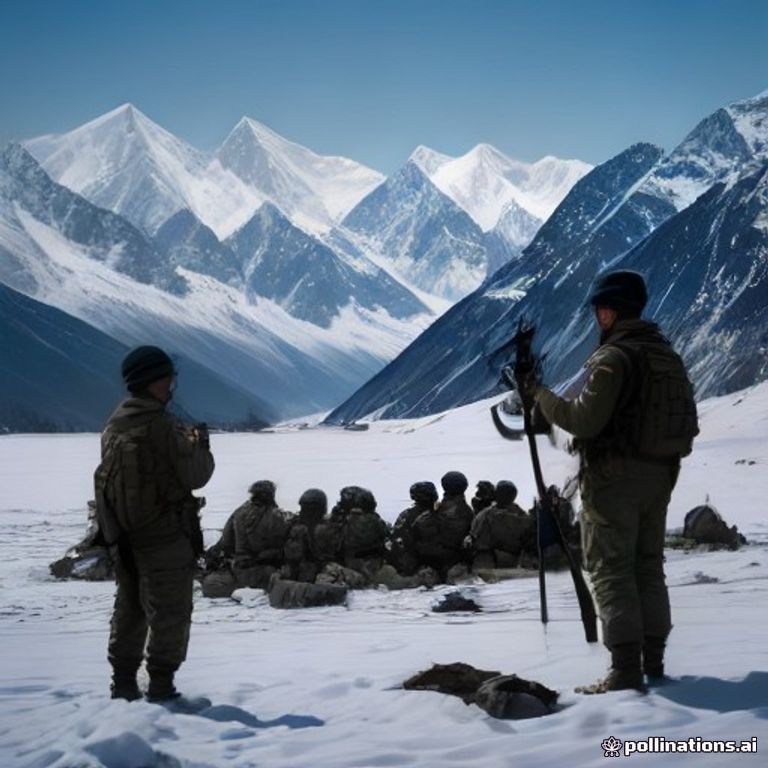
Exercise Yudh Abhyas: India and US Bolster Interoperability Against Modern Warfare Challenges
In a powerful demonstration of their growing strategic partnership and shared commitment to regional stability, military contingents from India and the United States are actively engaged in Exercise Yudh Abhyas, a pivotal joint training endeavor designed to address the multifaceted challenges of modern warfare. This annual exercise, a cornerstone of Indo-US defense cooperation, goes beyond conventional tactical drills, delving into sophisticated areas such as electronic warfare resilience, AI-enabled intelligence analysis, and specialized operational tactics for extreme environments. The comprehensive nature of Exercise Yudh Abhyas underscores a concerted effort to enhance interoperability and foster a common understanding of contemporary security threats, thereby strengthening the collective defense capabilities of both nations.
Deepening Strategic Ties Through Joint Training
The genesis of Exercise Yudh Abhyas lies in the desire of both India and the United States to forge closer military ties, share best practices, and develop a unified approach to emergent threats. Since its inception, the exercise has evolved significantly, mirroring the rapid advancements in military technology and the shifting geopolitical landscape. What began as a series of basic tactical drills has matured into a complex simulation of modern conflict scenarios, reflecting the high-stakes environment in which contemporary armed forces operate. This evolution is crucial for preparing troops for a spectrum of operations, from humanitarian assistance and disaster relief to high-intensity combat.
The current iteration of Exercise Yudh Abhyas is particularly notable for its emphasis on the cognitive and technological dimensions of warfare. In an era where information dominance and technological superiority often dictate outcomes, the ability to counter sophisticated electronic attacks and leverage artificial intelligence for rapid decision-making is paramount. The joint training provides an invaluable platform for soldiers from both armies to exchange knowledge, test new strategies, and refine their responses to these intricate challenges. This collaborative learning environment not only builds individual soldier capabilities but also fortifies the institutional resilience of both armed forces against future threats.
Tackling Modern Warfare Challenges: Electronic Warfare and AI
The operational landscape of the 21st century is increasingly defined by the pervasive influence of technology. Among the most critical aspects of this landscape are electronic warfare (EW) and artificial intelligence (AI). Exercise Yudh Abhyas dedicates significant attention to these domains, recognizing their potential to both disrupt and enhance military operations.
Electronic Warfare Resilience
Electronic warfare involves the use of the electromagnetic spectrum to deny adversaries access to critical information, disrupt their command and control systems, and protect friendly forces from similar attacks. The discussions and drills during Yudh Abhyas focus intensely on:
- Developing robust counter-EW measures to protect communication networks and sensor systems.
- Training personnel in identifying and mitigating electromagnetic interference and jamming.
- Exploring advanced techniques for electronic reconnaissance and surveillance to gain a tactical advantage.
- Implementing passive and active countermeasures to ensure operational continuity in a contested electromagnetic environment.
This critical focus ensures that both Indian and American forces are better equipped to operate effectively in environments where electronic superiority is constantly challenged, safeguarding their operational effectiveness and force projection capabilities.
AI-Enabled Intelligence Analysis
Artificial intelligence is rapidly transforming military intelligence, offering unprecedented capabilities for processing vast amounts of data, identifying patterns, and predicting adversary actions. During Exercise Yudh Abhyas, joint teams are engaged in:
- Exploring the application of AI algorithms for rapid analysis of battlefield intelligence.
- Training on AI tools to enhance situational awareness and accelerate decision-making processes.
- Discussing ethical considerations and responsible deployment of AI in military contexts.
- Developing strategies for integrating AI-driven insights into operational planning and execution.
The integration of AI-enabled intelligence analysis not only streamlines data processing but also provides commanders with more accurate and timely information, allowing for swifter, more informed responses on the battlefield. This collaborative exploration of AI applications is paving the way for a future where technology amplifies human capabilities rather than replacing them.
Mastering Extreme Environments: High-Altitude and Cold-Weather Operations
Beyond technological frontiers, Exercise Yudh Abhyas also addresses the physical extremities of warfare, particularly focusing on high-altitude and cold-weather operational tactics. Both India and the United States have significant operational experience in such challenging terrains, making their joint exchange invaluable.
Experts from both armies are conducting intensive exchanges on:
- Specialized mountaineering techniques and survival skills in sub-zero temperatures.
- Logistical challenges associated with operating in remote, high-altitude regions, including equipment maintenance and supply chain management.
- Medical protocols for high-altitude sickness and cold-weather injuries.
- Tactical maneuvering and combat effectiveness in snow-bound and mountainous environments.
- The psychological resilience required for prolonged operations under extreme climatic conditions.
These discussions and practical demonstrations are vital for developing robust strategies to ensure troop effectiveness and safety in some of the world’s most unforgiving landscapes, drawing upon the unique operational experiences of both militaries. The shared learning significantly enhances their readiness for deploying forces to similar challenging regions globally.
A Broader Ecosystem of Joint Military Training
Exercise Yudh Abhyas is not an isolated event but rather a crucial component of a broader, expanding ecosystem of joint military training exercises between India and the United States. This extensive framework includes a variety of inter-service drills, such as naval exercises like Malabar, and air force exercises like Cope India. Each exercise is meticulously designed to address specific operational domains and foster interoperability across all branches of the armed forces.
The consistent engagement in these joint endeavors reflects a mature and evolving strategic partnership. They serve multiple objectives:
- Building Interoperability: Ensuring that the forces can operate seamlessly together, sharing communication protocols, tactical procedures, and logistical support.
- Sharing Best Practices: Facilitating the exchange of operational doctrines, lessons learned from combat and training, and technological innovations.
- Enhancing Mutual Understanding: Cultivating a deeper appreciation for each other’s military cultures, strengths, and operational philosophies.
- Deterrence and Regional Stability: Signaling a strong alliance that contributes to peace and stability in the Indo-Pacific region and beyond, acting as a deterrent against potential aggressors.
- Crisis Response Capabilities: Improving the ability of both nations to respond effectively and cooperatively to humanitarian crises, natural disasters, and regional security challenges.
This holistic approach to joint training solidifies the foundation of a robust defense partnership, enabling both nations to contribute more effectively to global security efforts.
Conclusion: A Stronger Alliance for a Complex Future
Exercise Yudh Abhyas stands as a testament to the enduring and increasingly vital strategic partnership between India and the United States. By focusing on critical aspects of modern warfare, from advanced technological challenges like electronic warfare and AI-enabled intelligence to the harsh realities of high-altitude and cold-weather operations, the exercise significantly enhances the operational readiness and interoperability of both armed forces. These combined efforts are not merely about improving tactical skills; they are about forging a common understanding of a complex global security environment, developing shared responses to emerging threats, and strengthening the bonds of trust and cooperation.
As the world navigates a landscape of evolving security challenges, the continued success of initiatives like Exercise Yudh Abhyas will be instrumental in ensuring that India and the United States remain potent forces for peace and stability, capable of defending shared interests and responding effectively to any contingency. The commitment demonstrated in these joint exercises reinforces their pledge to a secure, stable, and prosperous future, underscoring the power of collaboration in an interconnected world.